
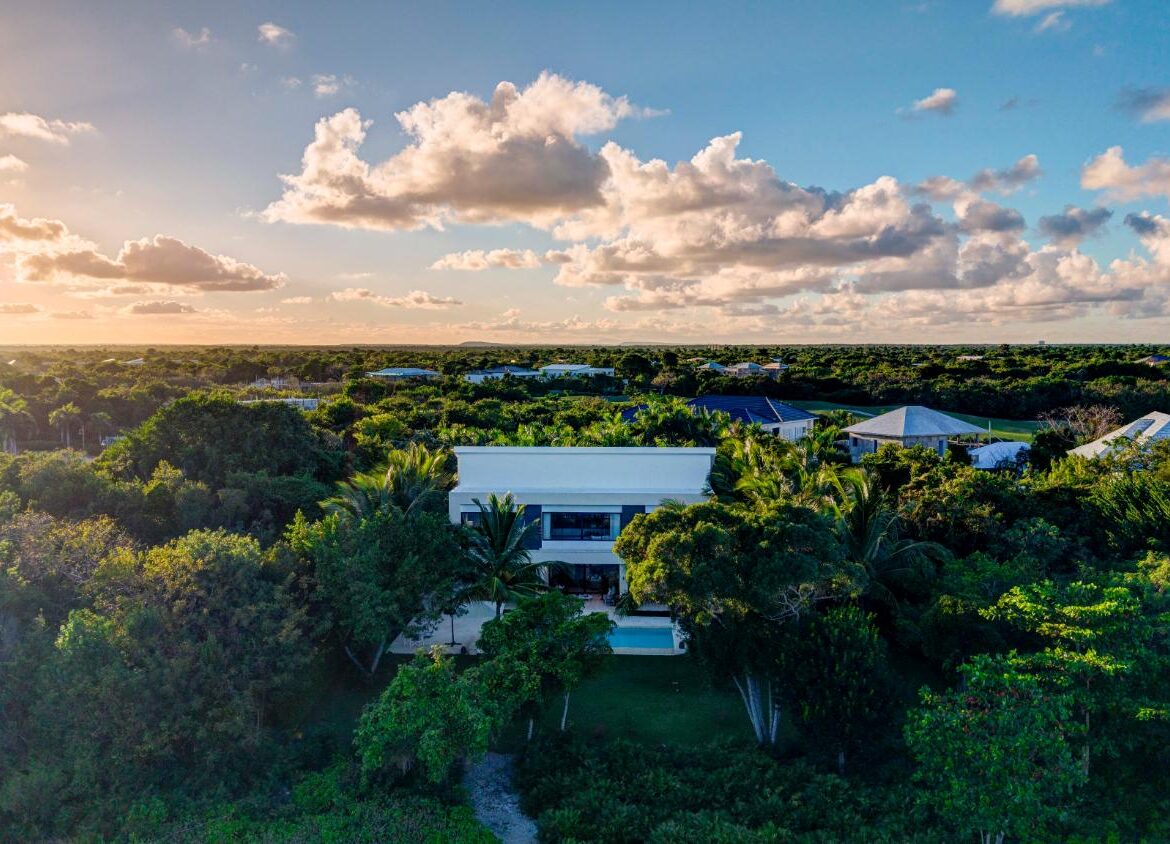
Is It Safe to Travel to Dominican Republic Right Now? Safety Tips and Advice
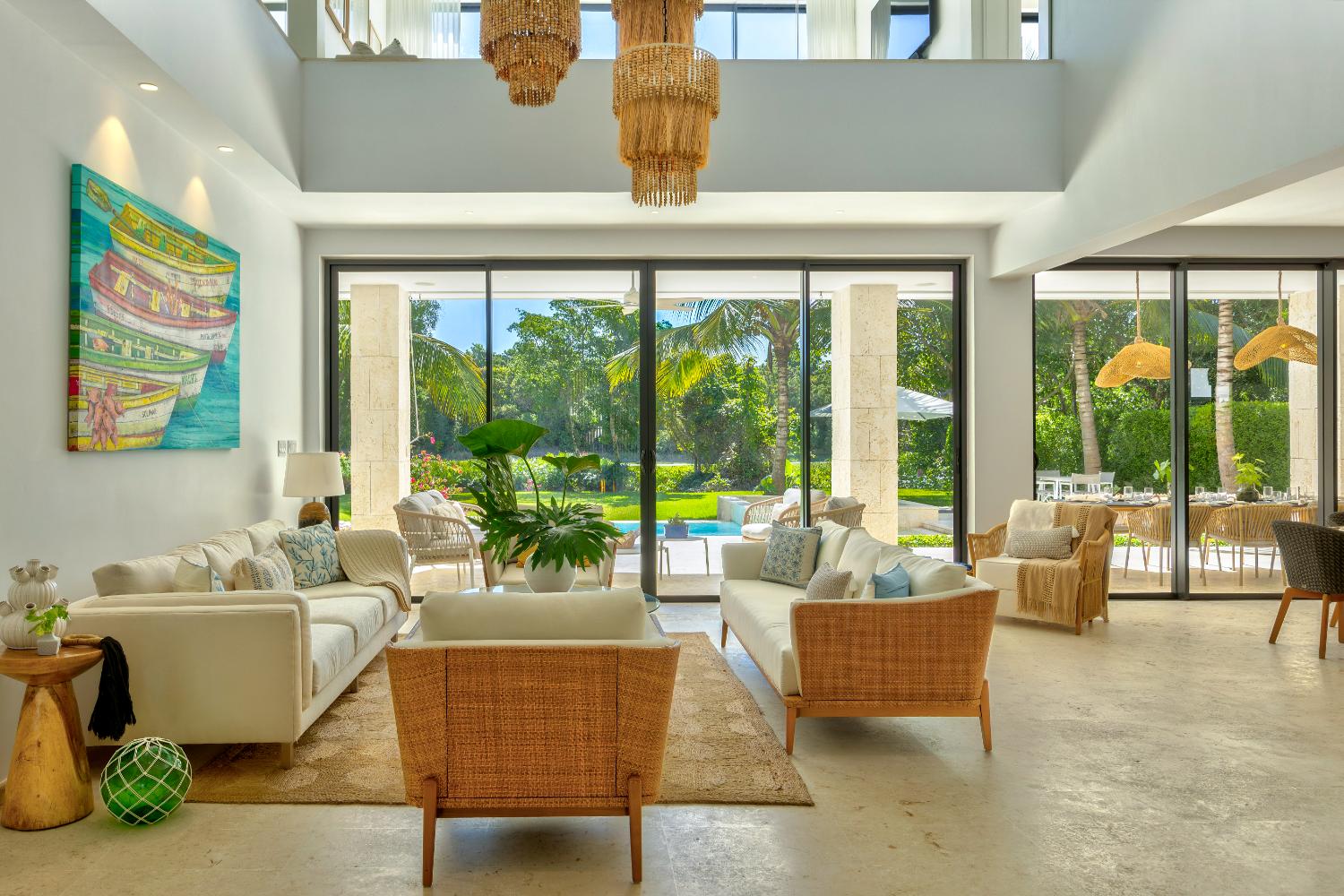
Yes, for most high-end travelers, the answer to is it safe to travel to Dominican Republic is yes, provided the trip is built around established tourist zones, pre-arranged transport, and a well-managed villa or resort base. The latest U.S. advisory remains Level 2: Exercise Increased Caution due to crime, while the Dominican Republic also welcomed 11,192,047 visitors in 2024, which helps explain the depth of its tourism infrastructure and why so many trips run smoothly. The real safety question is less about the country in the abstract and more about where you stay, how you move, and what level of support you build into the trip.
Key Takeaways
- Is it safe to travel to Dominican Republic right now? In most luxury travel scenarios, yes—but the safest-feeling trips are the ones centered on established east-coast villa communities, not improvised island roaming.
- The biggest practical risks for travelers are usually crime exposure in the wrong settings, night driving, and sloppy transport planning rather than the villa stay itself.
- The Haiti border area is not a casual add-on; land and sea borders are closed, and both UK and Canadian government guidance flag the area as unpredictable.
- Health prep matters because CDC flags dengue and other mosquito-borne illness risk, and it recommends malaria medication for travelers going to certain areas, including La Altagracia province.
- The smartest answer to is it safe to travel to Dominican Republic is to choose one strong home base, keep transfers short, and let Haute Retreats coordinate staff, transport, and day planning around that base.
Client Experience with Is It Safe to Travel to Dominican Republic
For affluent travelers, the answer to is it safe to travel to Dominican Republic is usually yes when the trip is designed properly: established tourist zones, a short airport-to-villa transfer, and a staffed property inside a managed community. U.S. guidance remains Level 2 because of crime, but it also notes that tourist destinations are generally more policed and that resorts have private security personnel.
What high-end guests typically value is not only beauty but control: privacy, dedicated staff, family-ready layouts, a driver who already knows the route, and a concierge who has solved the small frictions before arrival. Haute Retreats’ Punta Cana villas lean into exactly that model, with private chefs, concierge support, family-oriented layouts, and access to Cap Cana or Puntacana Resort settings that reduce the “figure it out when we land” problem.
The positive surprise is how easy the east-coast villa circuit can feel when the base is right. Several Haute Retreats villas in Cap Cana and Puntacana advertise relatively short airport transfers, often around 10 to 25 minutes from Punta Cana International Airport, which matters more than many travelers expect after an international flight with children or a large group.
The negative surprise is usually outside the villa. Late-night self-driving, assuming every district behaves like a controlled resort area, or drifting toward unnecessary urban or border logistics is where comfort drops and risk rises fastest.
The Short Answer: Is It Safe to Travel to Dominican Republic Right Now?
Yes, is it safe to travel to Dominican Republic is a reasonable question, and the best current answer is that the country is workable for most leisure travelers, but not casually so. The U.S. State Department’s latest posted advisory is Level 2: Exercise Increased Caution due to crime, while the UK’s guidance says no travel can be guaranteed safe and specifically advises extra care and insurance research before departure.
There is not a blanket “do not travel” warning for the Dominican Republic’s mainstream tourist zones from the U.S. or UK. The clearest hard-stop leisure warning is the Haiti border area, where land and sea borders are closed and security conditions are flagged as volatile and unpredictable.
If you are asking is it safe to travel to Dominican Republic for a villa holiday, the most honest answer is this: yes, when you stay in well-established tourist communities, keep your movements structured, and avoid unnecessary off-plan logistics. The risk profile changes when travelers drive at night, flash valuables, improvise nightlife transport, or wander near the Haiti border.
Which Parts of the Dominican Republic Feel Most Comfortable for High-End Travelers?
The most comfortable parts of the Dominican Republic for luxury travelers are usually the managed east-coast communities where the arrival is easy, the services are layered, and the trip can run from one well-chosen base. Haute Retreats consistently positions Cap Cana, Puntacana Resort & Club, and Casa de Campo as the most relevant villa-led frameworks for that style of travel.
Cap Cana: Best for polished arrivals, beach clubs, and controlled ease

Cap Cana suits travelers who want the most polished arrival-to-stay rhythm. Haute Retreats describes it as a gated, master-planned community with a marina, signature golf, and beaches such as Juanillo, which is exactly the kind of environment that tends to feel easier and more predictable for first-time Dominican Republic guests.
This is the version of the trip that works especially well for couples, celebratory groups, and travelers who want yacht days, a strong beach-club scene, and minimal arrival fatigue. Several Cap Cana villas on Haute Retreats also highlight full staffing, paved internal roads, and short transfers from PUJ.
Puntacana Resort & Club: Best for families, golfers, and multigenerational groups

Puntacana Resort & Club works best for families and mixed-age groups who want a self-contained base. Haute Retreats describes it as a world of golf courses, beach clubs, tennis, spa facilities, and the Ojos Indígenas reserve, and many of its villas are built for multigenerational use with kids’ rooms, shallow pools, and indoor-outdoor layouts.
This is often the strongest answer when guests want beach, golf, and nature without long transfers or too many moving parts. It is also where the villa model often outperforms a hotel for families because space, staff, and schedule flexibility matter more than lobby atmosphere.
Casa de Campo in La Romana: Best for large groups who want a resort framework with space
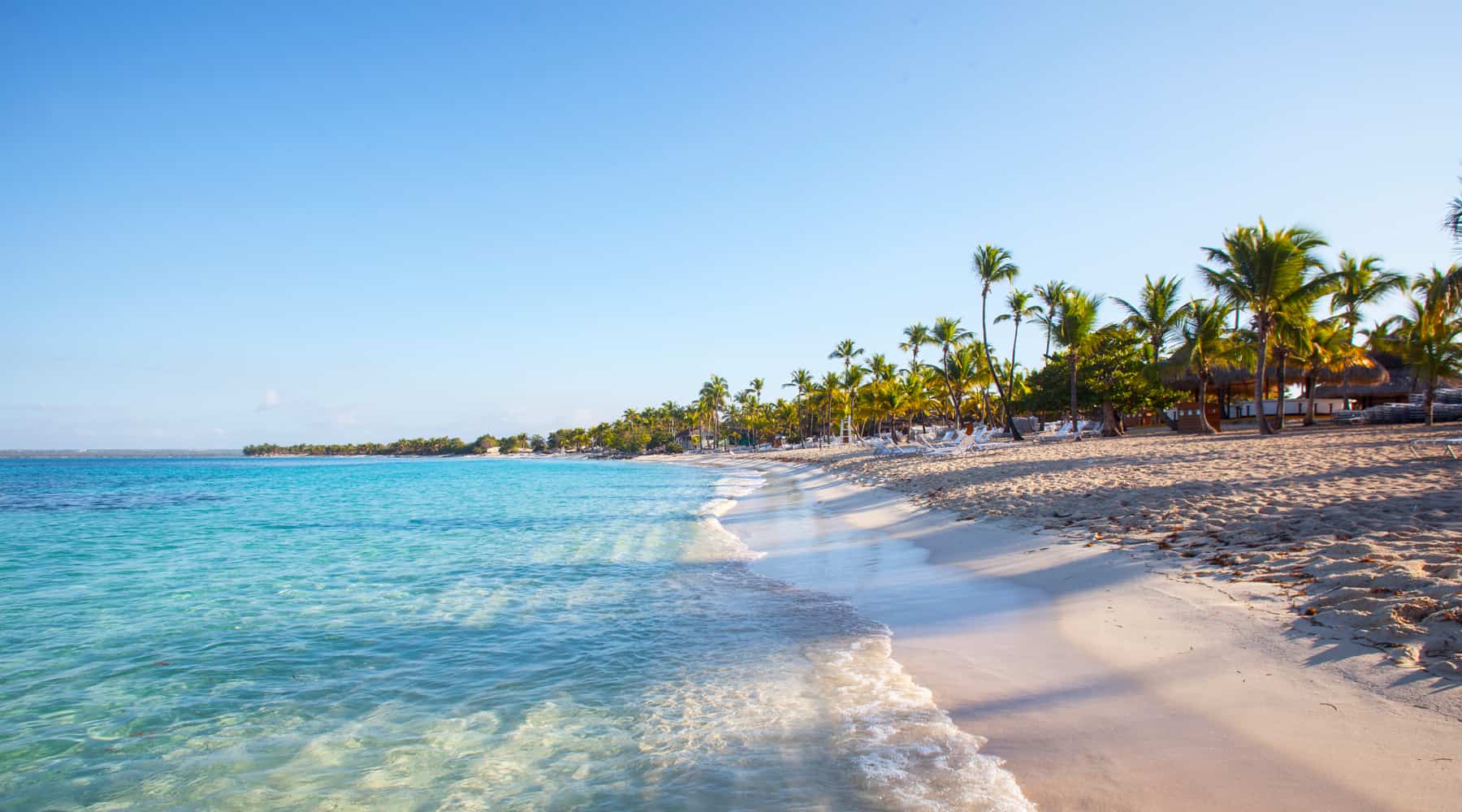
Casa de Campo tends to suit larger families and groups who want a resort framework with more physical space. Haute Retreats’ inventory there emphasizes full staff, resort facilities, marina and golf access, and relatively easy arrival from La Romana International Airport, with some villas also reachable from PUJ in roughly 50 to 60 minutes.
This is often the right move when the group wants a more residential, spread-out rhythm rather than a close-to-airport beach-club circuit. It is especially strong for longer stays, mixed ages, and occasions where some guests want golf while others want beach, spa, or marina time.
| Entity / Option | Best For | Location / Context | Key Features | Approx. Price / Range | Notable Highlight |
|---|---|---|---|---|---|
| Cap Cana | Couples, celebratory trips, yacht days | East coast, close to PUJ at many villas | Gated community, marina, golf, Juanillo Beach | From about $2,650/night | Controlled, polished arrival rhythm |
| Puntacana Resort & Club / Punta Cana villas | Families, golfers, multigenerational groups | East coast, villa-led base with resort access | Kids’ rooms, shallow pools, private chefs, golf, beach clubs | From about $1,200/night, with peak estates above $10,000/night | Strongest all-around family setup |
| Casa de Campo | Large groups, longer stays, mixed interests | La Romana area with resort framework | Full staff, marina, golf, spacious estates | From about $2,500/night | Space plus resort structure |
Safety Terms and Places That Matter Before You Book
The terms below matter because the answer to is it safe to travel to Dominican Republic often depends on understanding the kind of trip you are actually booking.
- POLITUR: the Dominican Republic’s dedicated tourist police force, specifically noted by the U.S. State Department as a resource for travelers.
- E-ticket: the mandatory digital entry and exit form required by Dominican migration authorities for each passenger.
- Cap Cana: a gated, master-planned community oriented around marina life, golf, and polished beach-club access.
- Puntacana Resort & Club: a self-contained resort community with golf, beach clubs, tennis, spa facilities, and ecological reserve access.
- Casa de Campo: a villa-and-resort framework in the La Romana area that works well for larger groups wanting staff and resort amenities together.
Health, Weather, and Entry Details That Matter More Than People Expect
The operational side of is it safe to travel to Dominican Republic is often about health prep, weather timing, and entry compliance rather than dramatic headline risk.
Dengue, Zika, and malaria: mosquito planning is part of luxury planning
CDC’s Dominican Republic guidance flags dengue and Zika as mosquito-borne risks and recommends standard bite prevention. It also says travelers going to certain areas of the country should discuss malaria medication with a doctor, including parts of La Altagracia, the province that includes Punta Cana and Cap Cana resort areas.
For luxury travelers, this does not mean panic. It means packing repellent, protecting children in the evening, keeping screens and AC in use, and checking with a travel clinician before assuming a beach resort stay needs no prep.
Hurricane season from June to November changes the trade-off
Weather is one of the real booking trade-offs behind is it safe to travel to Dominican Republic. NOAA states that the Atlantic hurricane season officially runs from June 1 to November 30, with peak activity around September 10 and most activity between mid-August and mid-October.
That does not make summer and fall bad times to go. It means lower rates can come with more forecast watching, more rain flexibility, and a stronger need for smart insurance and a villa that still feels good on a weather-soft day.
The e-ticket is mandatory, and emergency coverage is not identical everywhere
Dominican migration authorities state that the e-ticket is mandatory for each passenger entering or exiting the country. At the same time, U.S. and UK guidance both make clear that emergency response is not perfectly uniform nationwide, especially closer to the Haiti border or outside the main coverage zones.
That is another reason why the villa-led model works well here: the tighter the planning, the less you are troubleshooting on arrival. Haute Retreats’ airport transfer and concierge model is built for exactly that type of friction reduction.
Villa vs Hotel: Which Setup Reduces Friction Most?
For many high-end travelers, a staffed villa reduces friction more effectively than a hotel when the group values privacy, flexible schedules, and controlled logistics. Haute Retreats’ Punta Cana pages emphasize complete privacy, dedicated staff, private chefs, concierge service, and family-ready layouts that are hard to replicate when everyone is split across hotel rooms.
This matters because the safest-feeling trip is usually the one with fewer moving parts. When breakfast is already handled, transfers are pre-booked, children have space, and dinner does not require a late-night relocation, the trip naturally produces fewer exposure points.
A villa does not magically remove country risk, but it often reduces traveler friction. In the Dominican Republic, that can mean fewer night transfers, less street exposure, more control over food and family schedules, and staff who keep the trip moving without guesswork. For groups, that often translates into a smoother and more secure-feeling stay.
How to Decide Whether the Dominican Republic Is Right for Your Trip
The smartest way to answer is it safe to travel to Dominican Republic for your own group is to match the trip style to the right area, season, and service level before you book.
- Set your true group profile first. Count not only bedrooms but also children, older adults, golfers, non-golfers, early sleepers, and guests who dislike long transfers. Punta Cana villas often work well for multigenerational stays because many are designed with family-oriented layouts and shallow pools.
- Choose one home base, not three. Haute Retreats’ Dominican Republic planning advice is especially strong here: pick one home base and design day trips from it instead of constantly relocating.
- Match the region to your rhythm. Choose Cap Cana for polished ease and beach-club energy, Puntacana Resort & Club for family-golf-nature balance, and Casa de Campo for large-group scale and resort structure.
- Decide your staffing level early. If your group wants a truly low-friction stay, prioritize villas with chef service, housekeeping, concierge support, and airport transfers rather than adding them piecemeal later.
- Book around the season honestly. December to March is the cleanest weather window for Punta Cana, while summer and fall can bring better rates with more rain and more weather watching.
- Review transport before aesthetics. Ask how far the villa is from PUJ or LRM, whether roads are fully paved, whether private round-trip transfer is included, and whether you will actually need a golf cart or SUV.
- Clarify what is included versus extra. Do not assume every villa includes chef, butler, groceries, beach-club access, or spa treatments in the same way. Haute Retreats’ Punta Cana content makes clear that inclusions vary by property and setup.
- Confirm policies and trip protection before paying. Review insurance, cancellation terms, event rules, minimum stay, and any mobility or road-access questions before finalizing a large booking. UK travel advice explicitly recommends insurance that covers your itinerary, planned activities, and emergency expenses.
FAQ on Is It Safe to Travel to Dominican Republic
Is it safe to travel to Dominican Republic for a family villa trip?
Usually yes, especially when you stay in established villa communities with staff, short transfers, and family-ready layouts rather than improvising logistics after arrival.
Is it safe to travel to Dominican Republic if I plan to stay only in Punta Cana or Cap Cana?
For most travelers, these are among the easiest and most comfortable setups because they are tourism-oriented, well-served, and often inside gated resort communities.
Is it safe to travel to Dominican Republic without a driver?
It can be, but the higher-friction choice is self-driving, especially at night; UK guidance specifically warns about road accident risk and dangerous night driving outside main cities.
Do I need to worry about the Haiti border on a Punta Cana holiday?
Not in the sense of everyday Punta Cana travel, but you should not treat the border as a side trip; official guidance says land and sea borders are closed and the area is volatile.
Do I need the Dominican Republic e-ticket?
Yes. Dominican migration authorities state that the e-ticket is mandatory for each passenger entering or exiting the country.
Plan the Dominican Republic the Right Way
If you are still asking is it safe to travel to Dominican Republic, the clearest answer is this: it is usually a very workable destination for the right type of traveler and the right type of plan. The trips that feel best are the ones built around one strong base, short arrivals, full-service staffing, pre-arranged movement, and an itinerary that does not ask the island to behave like a free-form road trip.
For travelers who want privacy, family ease, golf access, beach time, and a more controlled luxury rhythm, explore the Dominican Republic collection with Haute Retreats or request a tailored shortlist built around your group size, season, and service priorities.