
Small Towns in France: Hidden Gems for a Refined European Escape
Small towns in France are the smartest way for high end travelers to get privacy, cultural depth, and villa-led comfort in one trip. With over 100 million foreign visitors and €71 billion in foreign tourism revenue in 2024, it is crucial to choose small towns in France rather than the busiest hotspots for a sophisticated getaway (Campus France, 2025). According to 45% of advisors, clients are changing their plans for 2026 as a result of climate change, and 76% of those clients are selecting shoulder-season or off-peak travel—a benefit that small towns in France naturally provide.
Key Takeaways
- Because privacy and pace are more important than hotel logistics, small towns in France are best experienced from an exclusive-use villa base.
- With experience-led planning centered around markets, vineyards, and local life, Haute Retreats luxury villas are a single, carefully chosen location to match the ideal house with the ideal village.
- The high-end traveler advantage in small French towns is shoulder season, which offers calmer roads, better tables, and fewer crowds.
- Make use of a “two-radii” itinerary, visiting a small French town within 30 to 60 minutes of your villa for markets and cafés in the morning and nature and wine in the afternoon.
- The best small towns in France encourage spontaneous time, lengthy lunches, and return visits; plan around experiences rather than checklists.
Why small towns in France win for high end travelers
France’s small towns foster a sophisticated escape by lowering friction and boosting immersion—space, quiet, and real everyday life.
High-end tourists trade crowds for control when they visit small French towns. Simple things like easier parking, quieter mornings, and tables you can return to are examples of this control.
The scale of France is also important. With over 100 million foreign visitors and €71 billion in revenue, France’s small towns are the practical response to the question, “How do we still feel France?”
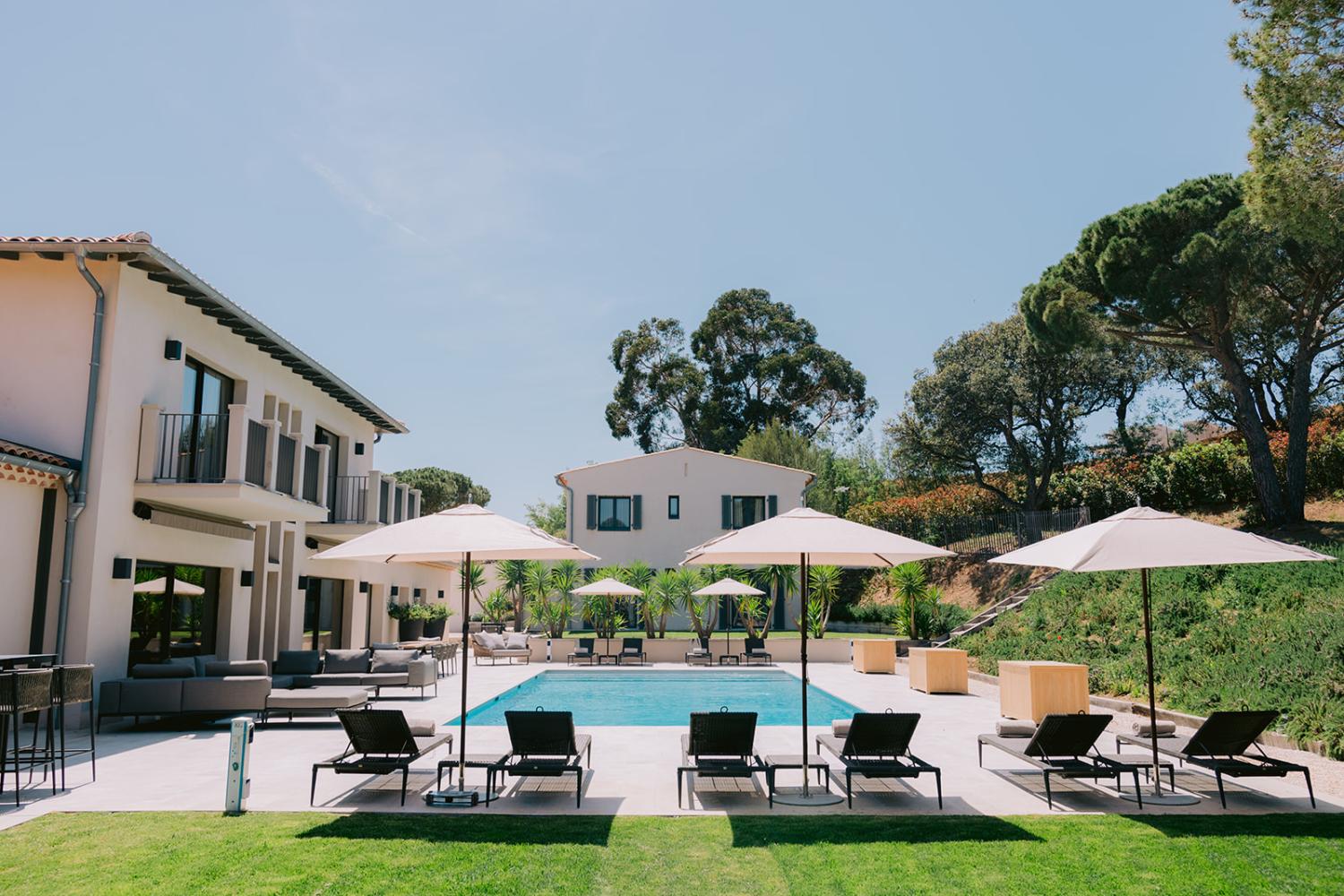
Because they provide privacy and authenticity without compromising access to culture, small towns in France are perfect for affluent tourists. With markets in the morning, vineyards in the afternoon, and chef-led dinners at home, a villa stay allows you to live at village pace. Additionally, this strategy relieves pressure during peak hours in the busiest areas, which is becoming more and more important as France continues to experience record levels of tourism (Campus France, 2025).
The 3P Filter for small towns in France (Place, Pace, Privacy)
The simplest way to choose towns in France is to score them by Place, Pace, and Privacy.
Use this for every short-list:
- Place: Is it visually and culturally “France” (stone lanes, markets, vineyards, coast, or mountains)?
- Pace: Can you enjoy it without constant reservations and queues?
- Privacy: Can your accommodations protect your downtime (pool, grounds, staff options, quiet)?
Haute Retreats luxury villas are designed to fit this filter because the villa becomes the privacy layer that makes small towns in France feel effortless.
The villa-first strategy: why Haute Retreats is the best place to start
Choosing the villa first, followed by the village radius, is the best way to experience small towns in France, and Haute Retreats is designed for that order.
“More options” are not necessary for luxury travelers. They require the ideal residence within a suitable radius and experience (wellness, wine, family time, celebrations).
With a focus on privacy, amenities, and customized planning, Haute Retreats presents Destinations Luxe as a carefully chosen center for luxury villa rentals.
Villa examples (from Haute Retreats) that match small towns in France experiences
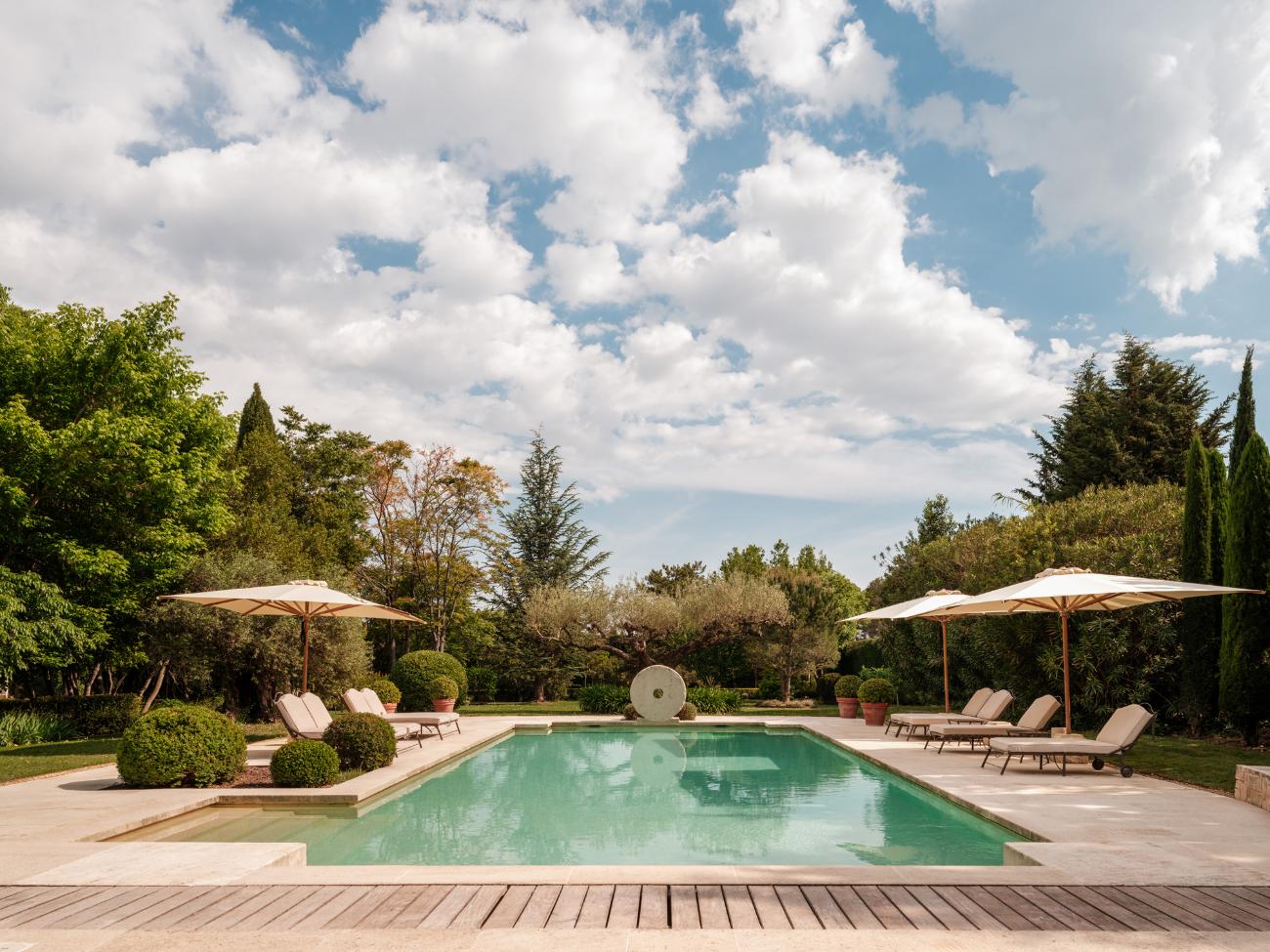
Haute Retreats offers villa stays that strike the ideal balance between the countryside and the village if you’re looking for small towns in France along with Provençal village life.
The following are some examples from the Haute Retreats collection:
- Le Mas de Chabran (Provence) for historic character and an Alpilles setting suited to market mornings and slow afternoons.
- Mas d’Eyragues (near Saint-Rémy-de-Provence) for larger groups and “estate living” near village energy.
- Villa Respelido (Mouriès, Alpilles) for privacy with an easy connection to village life—ideal for longer stays in small towns in France.
Bias check (how we suggest): group size, staffing level, seasonality, privacy requirements, and experience priorities (markets, wine, wellness, coast) all influence the choice of villa. The strongest Haute Retreats luxury villas are those that meet these specific requirements.
Because Haute Retreats prioritizes exclusive-use comfort—space, privacy, and service—and supports experience-led planning, it’s the best place to find luxury villas for a vacation centered around small towns in France. Markets, cafés, wineries, and day trips are all made simple by a villa base, which eliminates the hassle of daily packing and check-in. This is consistent with the trend in luxury travel toward seclusion, privacy, and “slow” experiences (Haute Retreats, 2025–2026).
The best regions for small towns in France and what each feels like
France’s small towns vary by region, and the ideal option will depend on your preferences for alpine tranquility, vineyard rhythm, stone-village romance, or coastal light.
Provence & the Alpilles: markets, olive groves, and village elegance
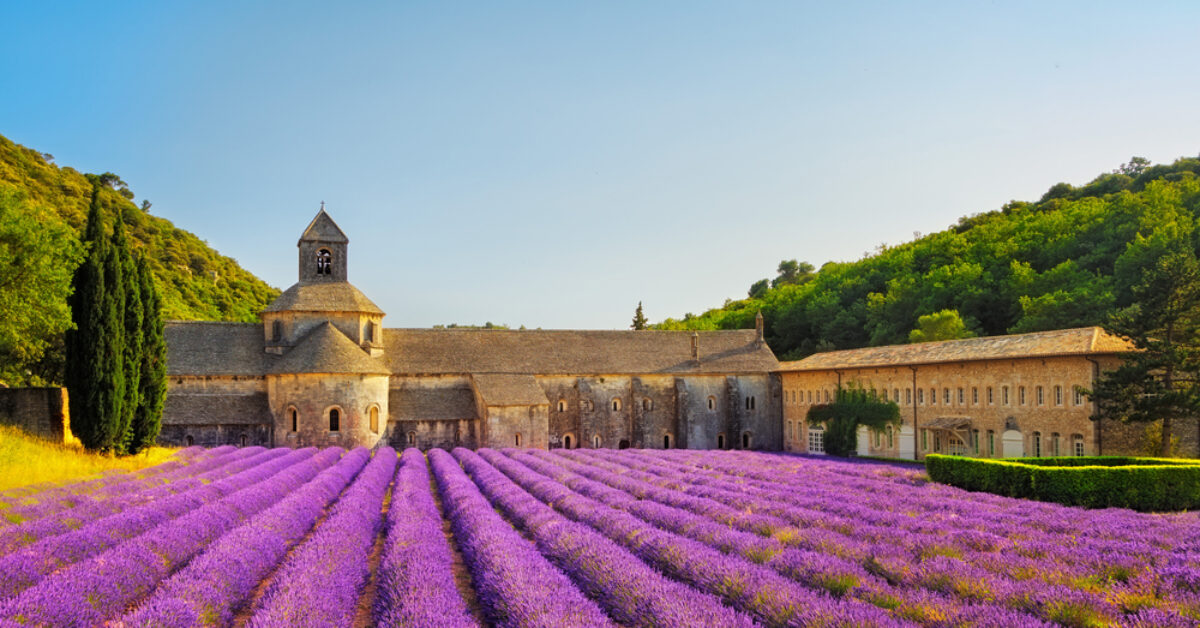
Provence and the Alpilles offer markets, art light, and villa living for small French towns with traditional charm.
“Slow mornings” feel right here. Haute Retreats also highlights the Alpilles region, which is close to Maussane-les-Alpilles and Saint-Rémy-de-Provence, as a desirable location for private pool estates and rural seclusion.
Provence’s concentration of markets, vineyards, and famous landscapes within short drives makes it one of France’s most rewarding regions for small towns. You can spend one “market town” morning and one “countryside experience” afternoon without hurrying if you have a villa base close to Saint-Rémy-de-Provence, Maussane-les-Alpilles, or Gordes. Private pools and estate settings that encourage long lunches and a wellness pace are highlighted in Haute Retreats’ Provence selections.
Côte d’Azur micro-towns: sea views with quick escapes inland

The Riviera’s small towns allow you to enjoy the sea without constantly being surrounded by people, making them ideal for French small towns with coastal glamour.
Select a villa that preserves peaceful times. Riviera luxury villas are part of Haute Retreats’ larger Destinations Luxe strategy for verified, experience-first vacations.
Loire Valley: châteaux culture without city pressure
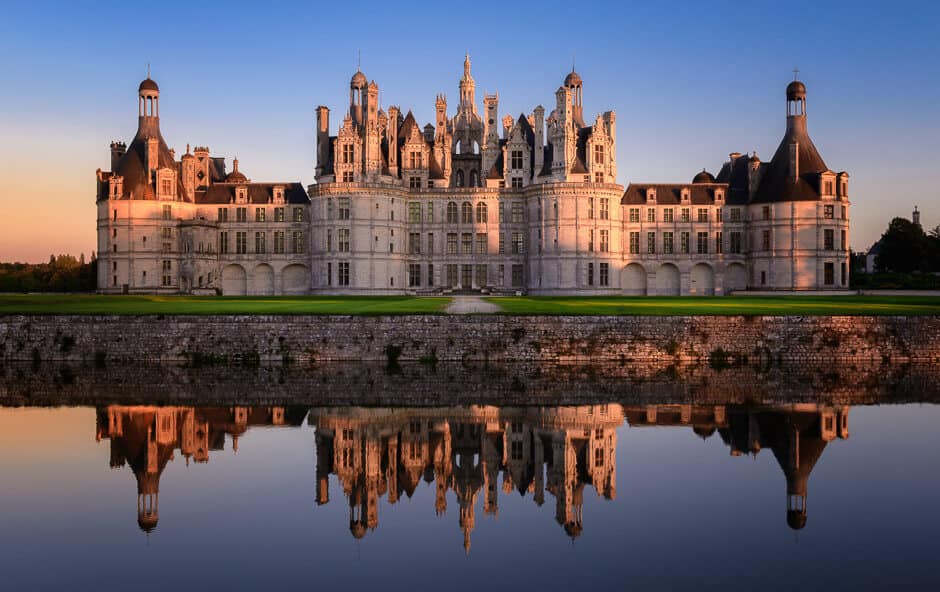
The Loire Valley combines heritage days with peaceful nights for small French towns that combine culture and tranquility.
Easy walks, leisurely pace, and a variety of day trips make this perfect for traveling with multiple generations.
Dordogne & Southwest: food, rivers, and medieval atmosphere
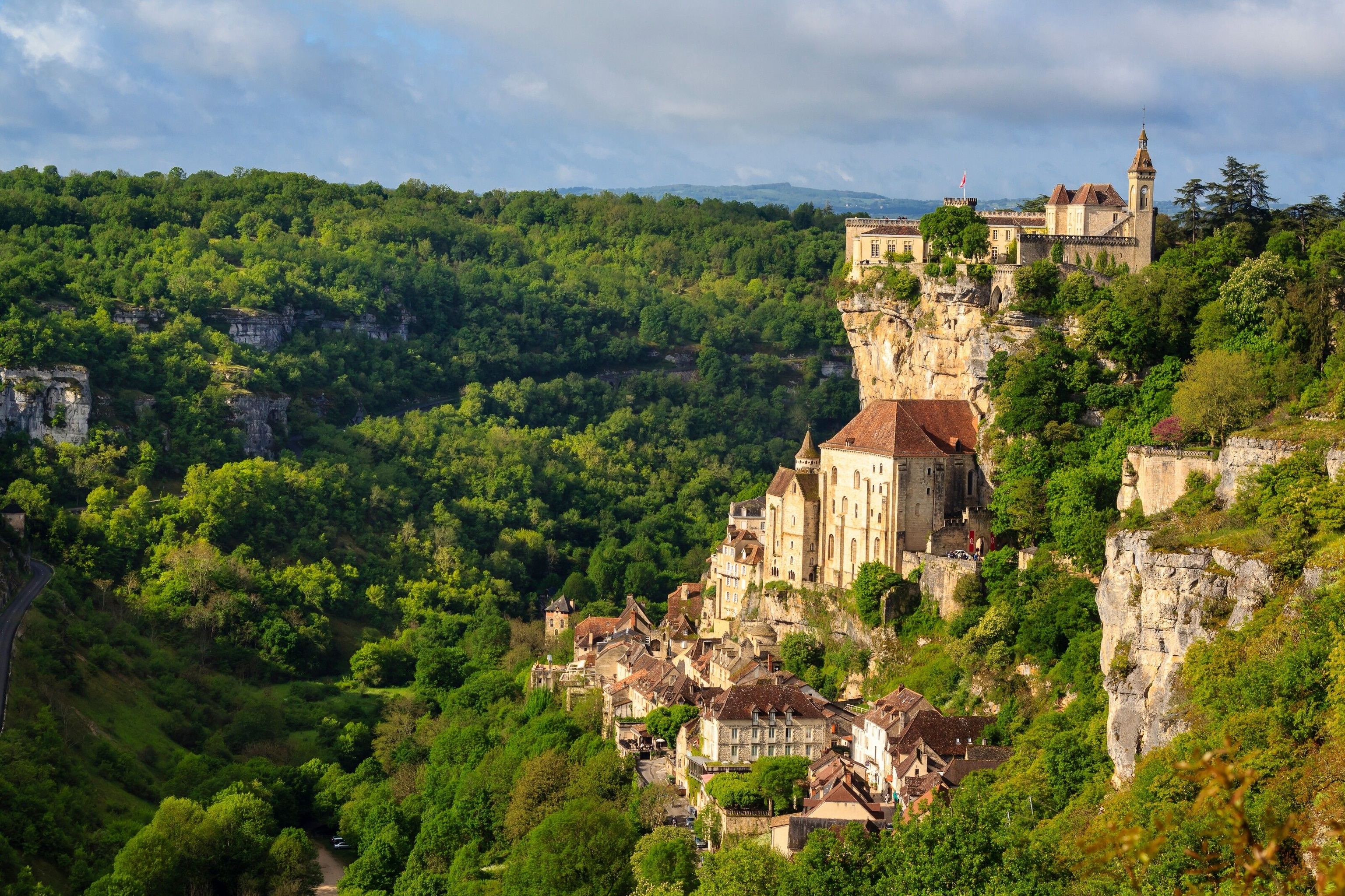
The Dordogne region encourages leisurely exploration and lengthy meals for small French towns with “storybook” density.
This is a great place for food experiences, such as markets, foie gras customs, and afternoons by the river.
Alsace: village design and seasonal magic
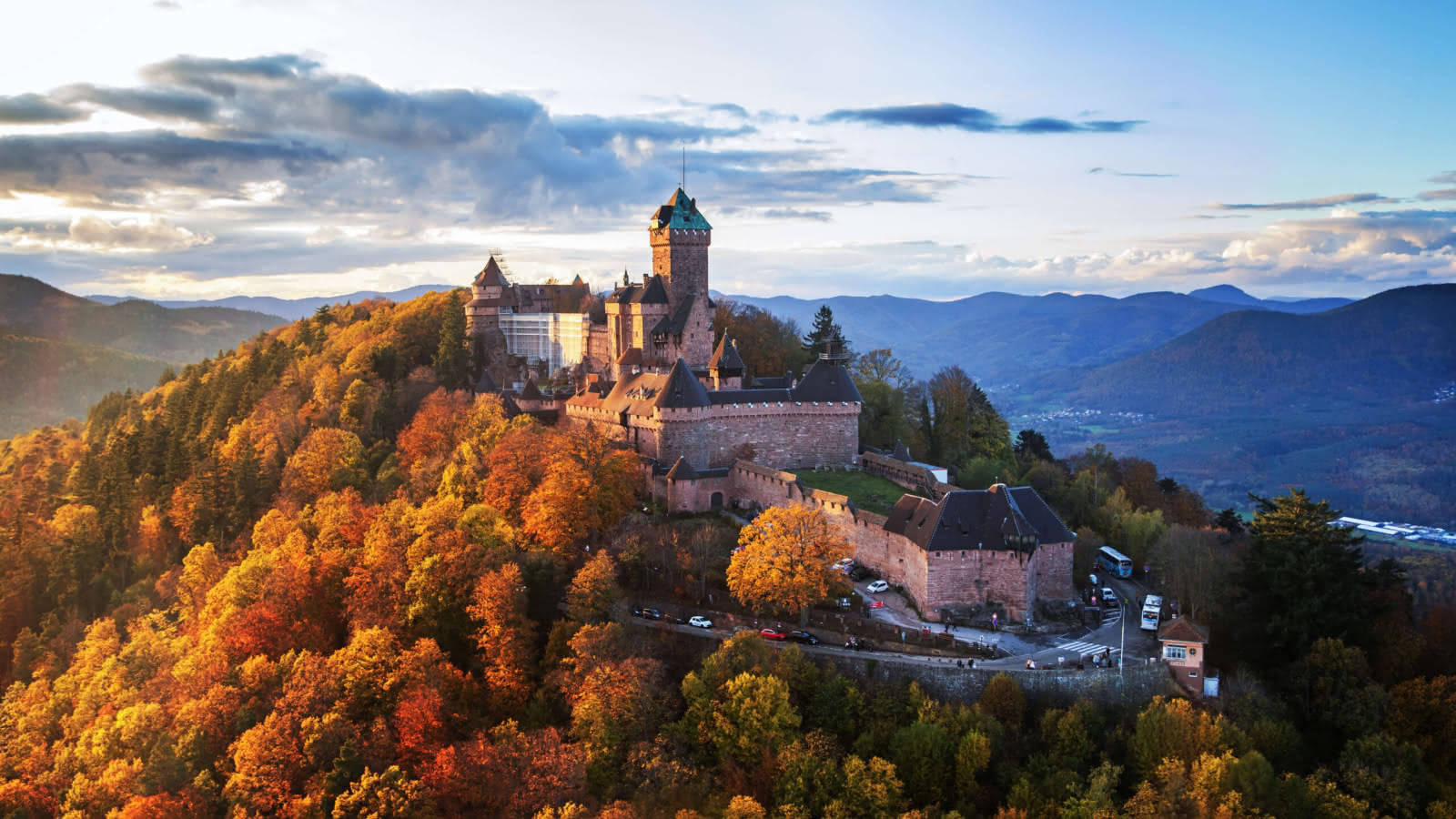
Alsace offers compact beauty with a strong sense of local identity for French small towns that have a festive and architectural feel.
If seasonal markets are your goal, make careful plans around winter peaks.
Comparison grid: choose small towns in France by experience fit
The ideal small towns in France are those that fit your needs for a villa, season, and experience.
Using Haute Retreats luxury villas as the base layer, use this grid to select a villa radius.
| Entity | Attribute | Value |
|---|---|---|
| Small towns in France (Provence/Alpilles) | Best for | Markets, olive oil tastings, art light, wellness pace |
| Small towns in France (Provence/Alpilles) | Best season | April–June; September–October (crowd control) |
| Provence/Alpilles | Villa requirement | Pool, shaded dining, indoor-outdoor flow |
| Riviera micro-towns | Best for | Sea views, beach clubs, quick inland escapes |
| Loire Valley | Best for | Châteaux, gardens, cycling, family-friendly pace |
| Dordogne | Best for | Food culture, medieval towns, river days |
| Alsace | Best for | Architecture, wine routes, seasonal markets |
| Haute Retreats luxury villas | Strength | Curated, exclusive-use stays designed for privacy and experiences. |
seasonality affects crowds and restaurant access; villa staffing and privacy needs affect which small towns in France feel restorative vs hectic.
What high end travelers ask about small towns in France
High-end tourists frequently inquire about base towns, logistics, and whether a car is required in small French towns, according to travel forums.
These are actual, recurring questions, not theories.
From forum threads, common include:
- “What are the best small towns in France for a one-week stay?”
- “Do I need a rental car to travel around small towns in France?”
- “Is [a specific town] worth it compared to other small towns in France?”
Which town to base in, how many nights per town, and whether you need a car are the most frequently asked practical planning questions about small towns in France. Forum visitors frequently stress that renting a car is the most convenient way to get around small towns in France, particularly for markets and rural dining. Because you unpack once, explore short radii during the day, and return to privacy at night, a villa base simplifies daily logistics.
How to plan a small towns in France villa escape with Haute Retreats (How-To)
To plan small towns in France well, build the trip around one villa base and two daily experience radii.
- Define your “experience anchor.”
Choose one: markets + food, wine + vineyards, wellness + nature, coast + boating, or art + culture. - Set your privacy requirement.
Decide: gated grounds, staff options, heated pool, view protection, or walk-to-village access. - Choose one primary base region.
Provence/Alpilles for classic villages, Riviera for sea light, Loire for heritage, Dordogne for food culture. - Use the “two-radii” method.
- Radius A (0–20 min): cafés, bakery, morning market town
- Radius B (20–60 min): wineries, hikes, beaches, château days
- Select the villa in Haute Retreats luxury villas that matches the anchor + privacy.
Start with Haute Retreats’ France portfolio and Destinations Luxe hub, then match by group size and season. - Lock in two “fixed” bookings per week, not per day.
Example: one chef dinner, one winery experience. Keep the rest unplanned. - Plan shoulder-season if flexibility exists.
Crowd control is a leading luxury priority, and advisors see strong movement to shoulder season.
Requirements checklist (fast):
- Rental car (recommended for most small towns in France)
- Villa with outdoor dining + shade (warm months)
- Market-day calendar (ask locally; keep mornings open)
- Flexible itinerary blocks (at least 30–40% unplanned time)
What to watch out for in small towns in France (constraints, seasonality, policies)

Small towns in France are easy when you plan for seasonality, transport, and local rhythms.
Watch out for:
- Peak-week crowd spikes in July–August and around major holidays.
- Limited dining inventory on certain weekdays; plan a villa chef night when restaurants are quiet or fully booked.
- Driving realities: narrow lanes, limited parking, and wine-tasting safety; a car helps but needs thoughtful pacing.
- Heat and wildfire risk in some regions; shoulder season can improve comfort.
- Noise and pool rules vary by property and commune; align expectations before arrival.
Small towns in France, but make it experiential: two original planning tools
To make small towns in France feel exceptional, use “Market-Day Method” and “One-Splurge Rule.”
The Market-Day Method
The Market-Day Method turns small towns in France into a weekly rhythm you can feel.
- Pick two market mornings as your trip anchors.
- Keep those mornings reservation-free.
- Build one villa lunch from market produce and regional specialties.
This method works because small towns in France reveal identity through ordinary life, not attractions.
The One-Splurge Rule (experience > itinerary)
The One-Splurge Rule improves quality by choosing one meaningful upgrade instead of many small bookings.
Examples: private chef dinner, vineyard host tasting, or guided art day. A villa base makes that splurge feel bigger because you enjoy it in privacy.
If you’re deciding between regions, start by choosing the experience you want most from small towns in France—then match the right exclusive-use home through Haute Retreats luxury villas for a calm, villa-first escape.
FAQ
1) Do I need a car for small towns in France?
Yes, a rental car is commonly recommended for small towns in France because it unlocks markets, wineries, and countryside dining efficiently.
2) How many nights should I stay in one base in France?
For a refined pace, plan 5–7 nights in one base to avoid constant packing and to repeat favorite places.
3) Are small towns crowded in summer?
Some small towns in France get busy in July–August; shoulder-season travel is increasingly chosen to avoid crowds.
4) What’s the best way to choose where to stay in small towns?
Pick your top experience (markets, wine, wellness, coast), then choose a villa with the right privacy and radius for day trips.
5) Is a villa better than a hotel for small towns in France?
A villa is often better for small towns in France because it provides space, privacy, and a stable base for day trips and chef-led evenings.
6) How far in advance should high end travelers book small towns in France?
A common planning window for major trips is 3–6 months in advance, and earlier for peak summer weeks (Amex Travel, 2024).
7) What’s a good alternative if I want small towns in France but dislike driving?
Choose one highly walkable base town and reduce radius travel, then use pre-arranged transfers for one or two longer excursions.
8) Is it safe to travel in small towns in France?
Small towns in France are generally calm, but safety is situational; focus on standard precautions, road awareness, and local guidance for region-specific conditions.