
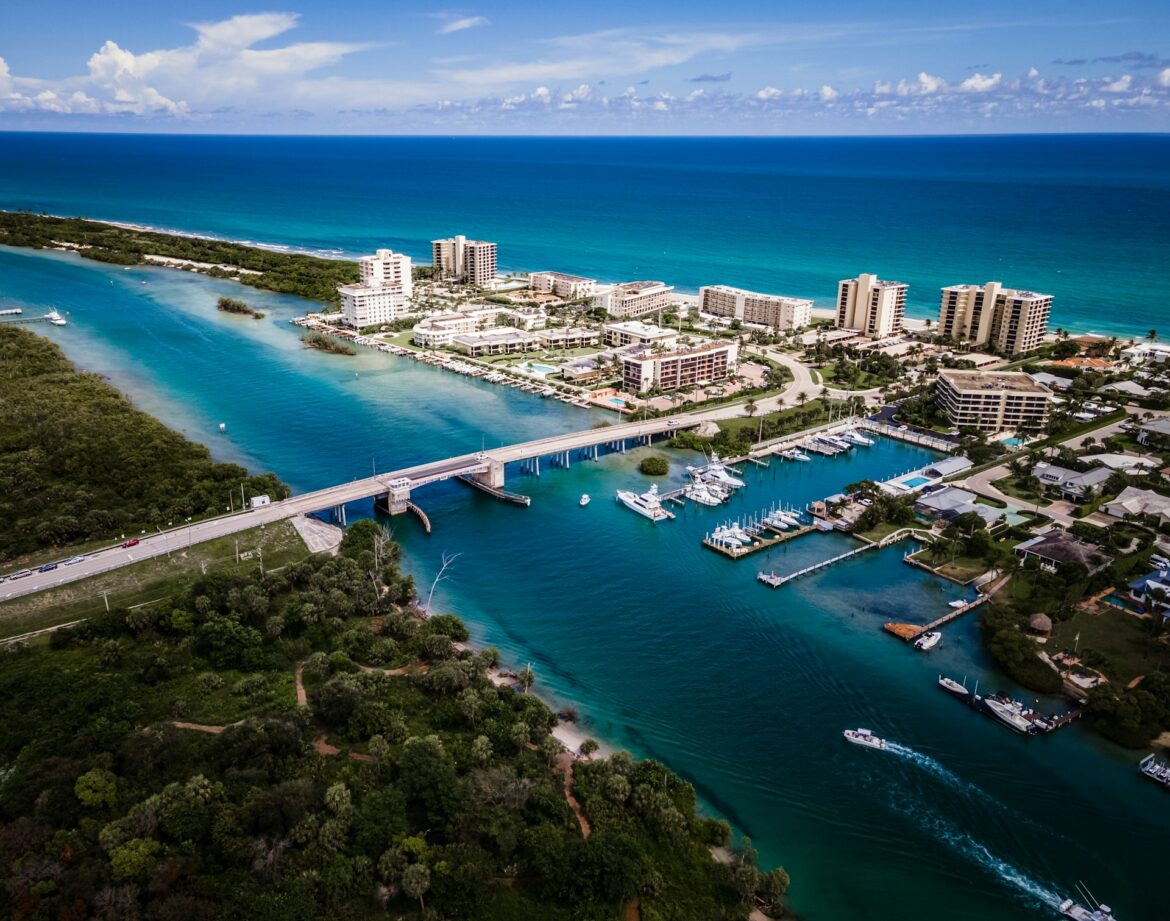
When Is Hurricane Season in Florida? 2026 Dates, Risks & Prep Tips
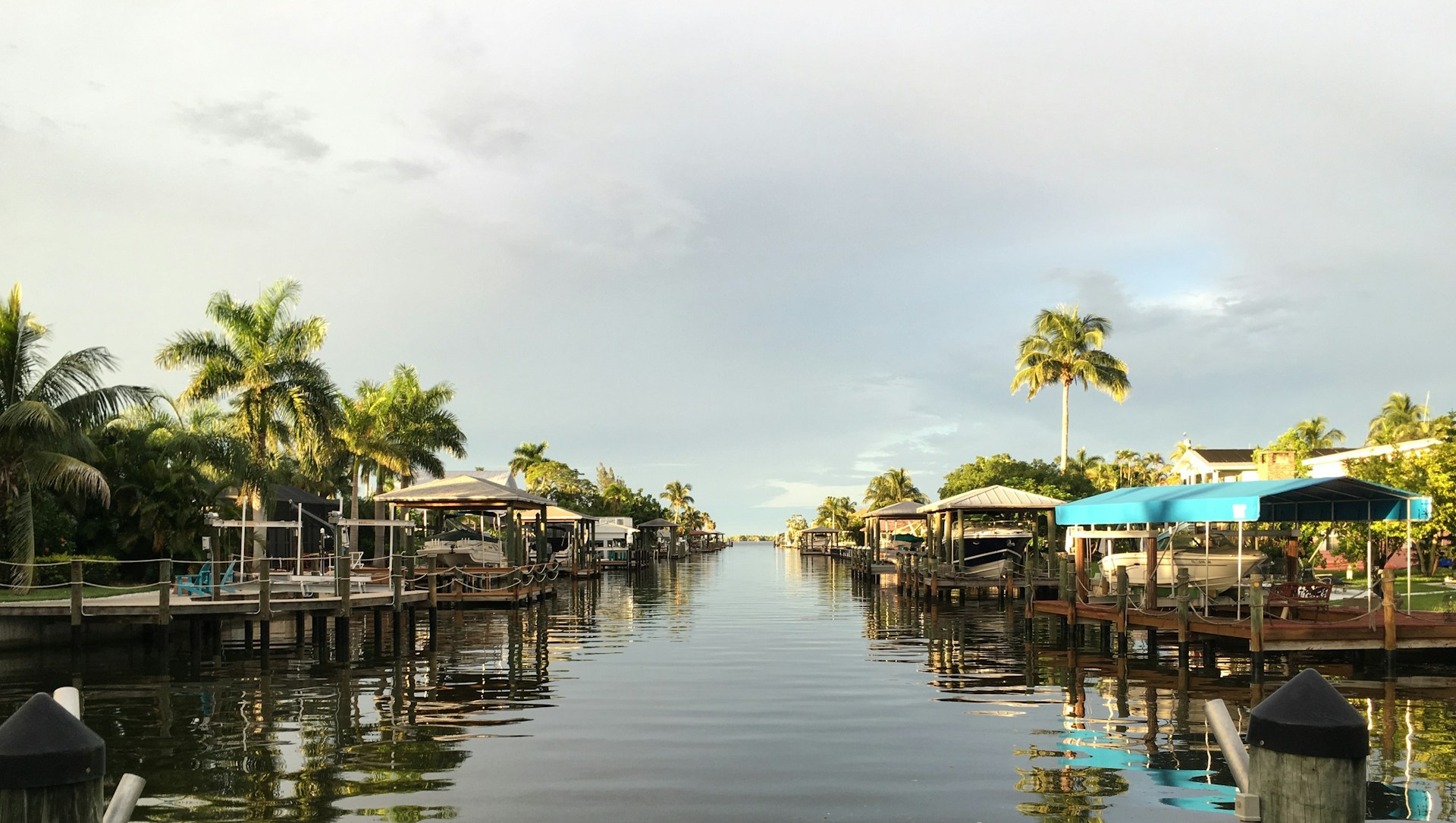
When is hurricane season in Florida? Officially, Florida’s Atlantic hurricane season runs from June 1 through November 30, with the most active window usually from mid-August through mid-October. Florida’s emergency management agency confirms the June 1–November 30 season for 2026, and NOAA identifies September 10 as the climatological peak of Atlantic hurricane activity. For villa travelers, the question is not only whether to travel, but how to match dates, coast, villa infrastructure, cancellation terms, staff support, and insurance to the trip’s tolerance for disruption.
Key Takeaways
- Hurricane season in Florida officially runs from June 1 through November 30 every year.
- The highest-risk travel window is usually mid-August through mid-October, with September 10 as the Atlantic peak.
- June, early July, and late November can be practical value windows for flexible villa travelers.
- Florida Keys, Miami, Naples, Palm Beach, and Gulf Coast stays require different hurricane planning.
- Luxury villa travelers should confirm insurance, evacuation zones, generator backup, staffing, and cancellation terms before booking.
Florida Hurricane Season Experience
When is hurricane season in Florida matters because high-end travelers are often coordinating more than flights and bedrooms; they are planning private chefs, boats, family gatherings, childcare, celebrations, and multi-generational schedules.
Another realistic scenario is a couple planning a September wellness escape on the Gulf Coast. The villa may be perfect: serene water views, refined interiors, a chef-friendly kitchen, and space for a massage therapist. The tradeoff is that when is hurricane season in Florida becomes a practical question about flexibility, not fear.
When is hurricane season in Florida for luxury travelers? It is June 1 through November 30, but the real planning question is how much disruption your group can tolerate. A flexible couple can treat early June differently from a destination wedding in September. Families, event groups, and yacht-focused travelers should book with stronger cancellation protection, staffing clarity, and backup logistics.
The Official Florida Hurricane Season: June 1 to November 30
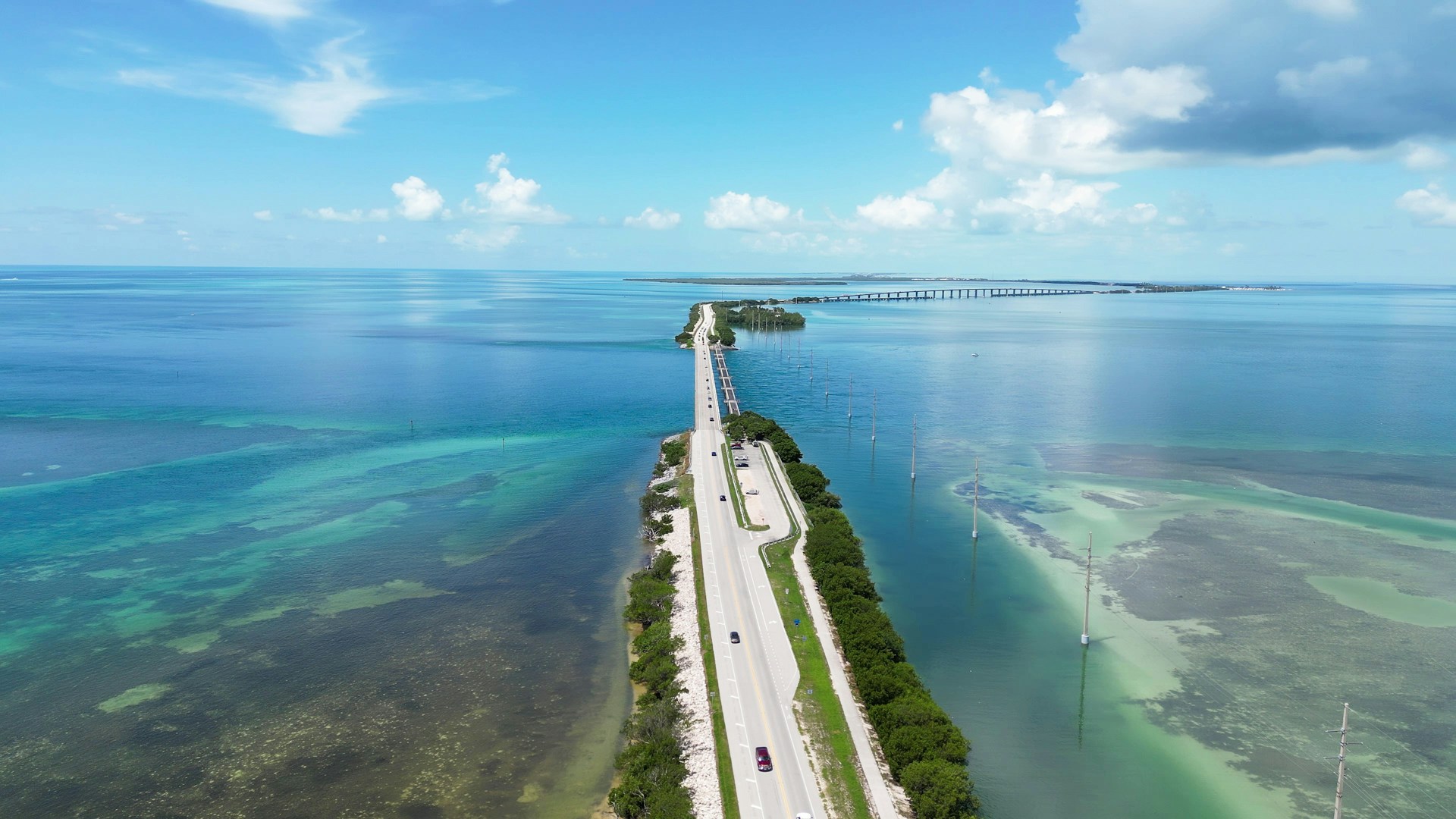
When is hurricane season in Florida? The official season runs from June 1 through November 30, matching the wider Atlantic hurricane season.
Florida’s Division of Emergency Management states that the 2026 Atlantic hurricane season begins June 1 and runs through November 30. The Florida hurricane season covers the full period when tropical storms and hurricanes are most likely to form in the Atlantic basin, Gulf of Mexico, and Caribbean waters that can affect Florida.
This does not mean every day from June to November carries the same risk. June can feel like summer: humid, bright, and lush, with afternoon storms. September carries a different risk profile, especially for coastal villas, boating plans, and tightly scheduled celebrations.
When is hurricane season in Florida should be understood as a planning framework. The official dates tell you when to pay closer attention. The month, destination, villa infrastructure, and contract terms tell you whether a trip still makes sense.
When is hurricane season in Florida officially? It is June 1 to November 30. Travelers should treat those dates as the formal planning window for tropical weather risk, then refine the decision by month. Early season is not the same as peak season, and a flexible villa stay is not the same as a fixed-date wedding or corporate retreat.
September 10 and the Peak Risk Window in Miami, Naples, Palm Beach, and the Keys
The highest-risk part of hurricane season in Florida is usually mid-August through mid-October, with September 10 as the climatological peak of the Atlantic season.
NOAA explains that September 10 marks the peak of Atlantic hurricane season based on long-term storm records. NOAA also notes that activity rises sharply from mid-August through mid-October, accounting for the large majority of tropical storm and hurricane days in the Atlantic basin.
For travelers, this means a September villa booking is not automatically wrong. It simply needs a different level of diligence. A casual long weekend with flexible flights is one thing; a 60th birthday with 18 guests, a chef team, boat charters, and international arrivals is another.
June and Early July in Florida
June and early July are inside hurricane season in Florida, but they often carry a softer risk profile than late August or September.
For families, this can be a useful window. School calendars may align, villas can be more available, and beaches feel less compressed than winter peak dates. The climate is humid, so the best properties are those with shaded terraces, strong indoor-outdoor flow, and generous pool areas.
Late August and September in South Florida
Late August and September are the months when when is hurricane season in Florida becomes a front-and-center booking question.
The reward can be privacy, softer rates, and less crowded restaurants. The tradeoff is higher tropical weather exposure, possible itinerary changes, and a need for insurance that covers weather-related disruption. For important celebrations, the group should be emotionally and financially prepared for a backup plan.
October and November on the Gulf Coast
October and November can be attractive, but the Gulf of Mexico can still produce serious late-season systems.
The atmosphere begins to change, evenings can feel more comfortable, and demand may rise as travelers look ahead to winter. Late November usually feels safer than early October, but the official hurricane season in Florida continues until November 30.
Florida Regions During Hurricane Season: Where the Tradeoffs Differ
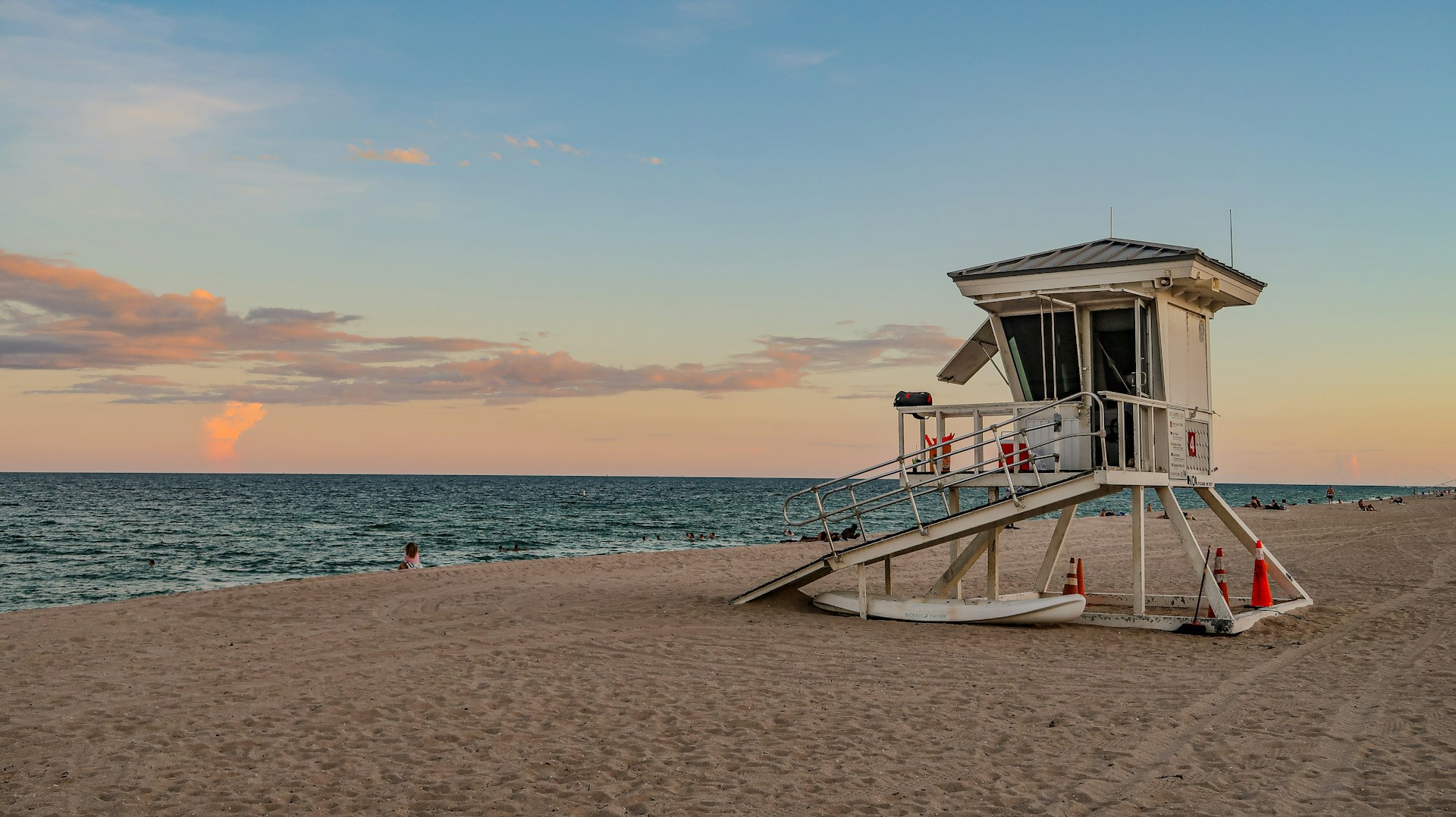
Florida hurricane-season planning depends on coast, elevation, access, and the type of trip you are taking.
Use this table as a planning lens, not as a guarantee. Storm paths change. Local advisories and evacuation orders always take priority.
| Entity / Option | Best For | Location / Context | Key Features | Approx. Price / Range | Notable Highlight |
|---|---|---|---|---|---|
| Miami and Miami Beach | Stylish long weekends, groups, dining, nightlife | Southeast Florida, Atlantic-facing | Strong airport access, private pools, chef-ready villas, indoor-outdoor design | Luxury villas often vary widely by size, season, and service level | Best for travelers who want city energy with villa privacy |
| Florida Keys | Boating, fishing, relaxed family escapes | Island chain south of Miami | Waterfront settings, dock access in select homes, sunset culture | Premium waterfront homes can command higher rates in peak months | Beautiful but more access-sensitive during storm watches |
| Palm Beach | Refined winter-style villa stays, shopping, privacy | Southeast Florida, north of Miami | Elegant homes, polished service, beach and dining access | Higher in winter and holiday periods | Strong fit for discreet, design-led stays |
| Naples and Marco Island | Families, golf, Gulf Coast sunsets | Southwest Florida | Calm beaches, upscale residential feel, pool-focused villas | Seasonal pricing often rises from winter into spring | Excellent for slower-paced luxury |
| Orlando luxury homes | Theme parks, families, multi-generational groups | Inland Central Florida | Larger bedroom counts, entertainment rooms, family amenities | Often better value per bedroom than coastal villas | Lower storm-surge concern, but still affected by hurricane season |
When is hurricane season in Florida most important by region? It matters most for coastal and island stays, especially the Florida Keys, Miami Beach, Palm Beach, Naples, and Marco Island. Inland Orlando villas can still face wind, rain, and travel disruption, but they do not carry the same storm-surge profile as low-lying waterfront properties.
Price Ranges and What You Actually Get During Florida Hurricane Season
Hurricane season in Florida can offer better availability and relative value, but the savings are only meaningful when the booking terms protect the trip.
When is hurricane season in Florida becomes a budget question as much as a weather question. A September villa may look compelling, but a non-refundable structure can make it risky for fixed-date travel. A slightly higher rate with better terms may be the more elegant decision.
When is hurricane season in Florida best for value? June, early July, late August, September, and parts of October may offer better villa availability than winter peak periods. The best value is not always the lowest nightly rate. It is the booking that balances price, cancellation terms, villa readiness, staff support, and the group’s flexibility.
Florida Hurricane Terms Travelers Should Know
The key hurricane-season terms help travelers make better decisions before they commit to a villa, flight, or event date.
- Hurricane season: The official June 1 to November 30 Atlantic tropical cyclone season that includes Florida.
- Tropical storm: A tropical cyclone with sustained winds of 39 to 73 mph, according to NOAA’s classification.
- Hurricane: A tropical cyclone with sustained winds of 74 mph or higher, according to NOAA.
- Major hurricane: A Category 3, 4, or 5 hurricane with sustained winds of 111 mph or higher.
- Storm surge: Water pushed inland by a storm, often one of the most dangerous coastal hazards.
- Evacuation zone: A locally designated area that may be ordered to evacuate based on storm surge, flooding, or other hazards.
- Travel insurance: A policy that may protect prepaid costs, depending on terms, timing, and covered reasons.
When is hurricane season in Florida also means understanding the vocabulary. A tropical storm can still disrupt flights, boating, dining, and staff schedules. A hurricane watch does not mean the same thing as a warning. A villa outside a direct landfall zone may still face access, power, and supply-chain interruptions.
When Florida Hurricane Season Is Worth It—and When It Is Not
Florida hurricane season is worth considering when your group is flexible, well-insured, and attracted by quieter dates or better villa availability.
It is often a good fit for couples, smaller families, remote-working travelers, and guests who can adapt their itinerary. It can also suit repeat Florida visitors who understand summer humidity and are not building the entire trip around one outdoor event.
It may be a poor fit for destination weddings, fixed-date family reunions, high-production celebrations, or yacht-heavy itineraries in September. When is hurricane season in Florida should be treated seriously if many guests are flying internationally or if the emotional stakes are high.
Florida vs. Caribbean Hurricane Season for Villa Travelers
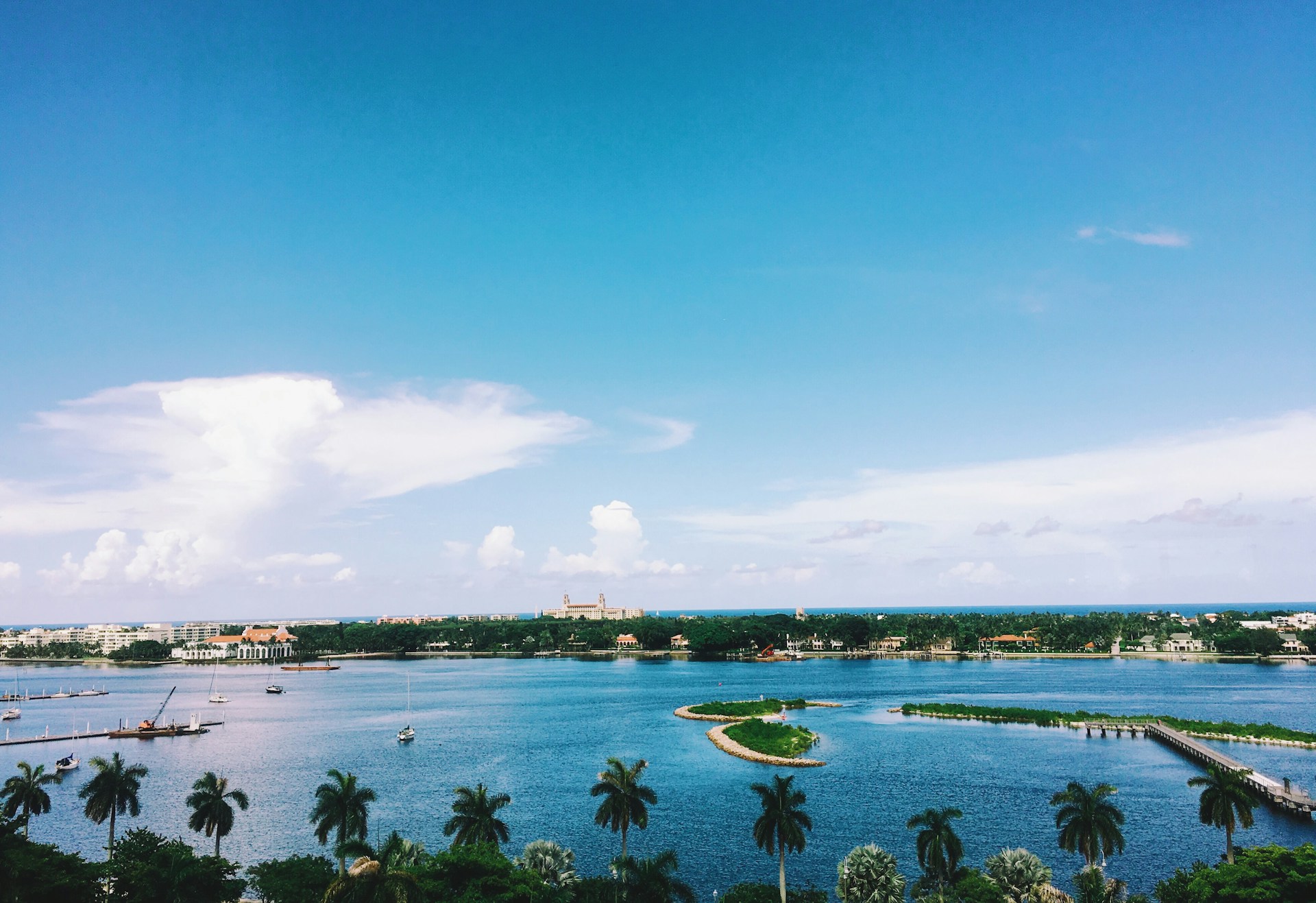
Florida and the Caribbean share the Atlantic hurricane season, but the travel decisions are not identical.
When is hurricane season in Florida? It is the same official June 1 to November 30 Atlantic window that also affects many Caribbean destinations. Yet Florida may offer stronger flight networks, road access, and domestic infrastructure for U.S.-based travelers.
For regional comparison, Haute Retreats’ guide to when hurricane season is in the Caribbean is a useful companion. Travelers comparing Florida with the Dominican Republic can also read when hurricane season is in Punta Cana.
Florida may be easier than some island destinations during hurricane season because guests can often rely on road access, larger airport networks, and domestic travel systems. The tradeoff is that Florida’s long coastline is exposed to both Atlantic and Gulf systems, so travelers still need insurance, flexible plans, and villa-specific readiness checks.
Choose the Right Florida Villa with Calm Confidence
When is hurricane season in Florida? It is June 1 through November 30, but the more useful question is whether your dates, property, service level, and policies match the trip you want to take.
Florida can still be a rewarding villa destination during parts of hurricane season. The quieter beaches, broader availability, and private-home comfort can be compelling for the right traveler. The decision becomes elegant when it is made with eyes open: the right coast, the right villa, the right support, and the right backup plan.
Explore Haute Retreats’ curated Florida luxury villa rentals or browse the wider Haute Retreats villa collection to compare destinations that fit your dates, group size, and tolerance for seasonal tradeoffs.