Where to Stay in Amalfi Coast for Luxury: Positano vs Ravello vs Amalfi
For high-end travelers deciding where to stay in Amalfi Coast, Positano delivers the most “walk-out-to-dinner” glamour, Ravello offers the quietest ultra-luxury villa atmosphere above the sea, and Amalfi is the most practical base for ferries, day trips, and historic character. Italy recorded 458.4 million nights spent in tourist accommodations in 2024 (ISTAT, 2025), and global international tourist arrivals reached about 1.5 billion in 2024 (UN Tourism, 2025)—two reasons the right base (and the right villa logistics) matters more than ever.
Key Takeaways
- If you want the most iconic scenery and fashion-meets-sea energy, where to stay in Amalfi Coast often starts with Positano.
- If you want cooler evenings, gardens, and privacy, where to stay in Amalfi Coast often ends with Ravello.
- If you want the most convenient transport hub with heritage charm, where to stay in Amalfi Coast becomes Amalfi town.
- For families and groups, where to stay in Amalfi Coast is less about the town name and more about stairs, pool safety, and staffing.
- For peak dates, where to stay in Amalfi Coast should be decided early—your villa’s access and services shape the entire trip.
Last updated: February 16, 2026
Client Experience with where to stay in Amalfi Coast
Choosing where to stay in Amalfi Coast matters because, in luxury travel, your base determines your pace, privacy, and service quality more than any single excursion.
Most Haute Retreats clients arrive with one clear wish: a view that feels cinematic at breakfast and effortless at sunset. Then reality arrives in the details—stairs, narrow lanes, last-mile transfers, and the difference between a beautiful villa and a livable villa.
The happiest patterns are consistent. Guests love terraces designed for lingering, a calm bedroom wing, and a concierge who can pace days around boat time, lunch timing, and kids’ naps.
The common surprises are also consistent. People underestimate how often “five minutes away” includes steps, and how much better a stay feels when staffing is defined clearly (daily housekeeping vs full-time support). Italy’s tourism pressure has been well documented, and record accommodation arrivals and nights add friction in peak periods (ISTAT via Reuters, 2024).
client reality in 60 seconds: If you’re debating where to stay in Amalfi Coast, assume your villa’s access (stairs, parking, drop-off point) will shape every meal and every outing. A perfectly staffed, well-located villa can make Positano feel calm, and a poorly accessed villa can make Ravello feel complicated. In luxury travel, convenience is not “less authentic”—it’s what protects your time.
Positano’s cliffside glamour near Spiaggia Grande and Fornillo

If you want the most iconic blend of beach energy and sunset dining, where to stay in Amalfi Coast most often points to Positano.
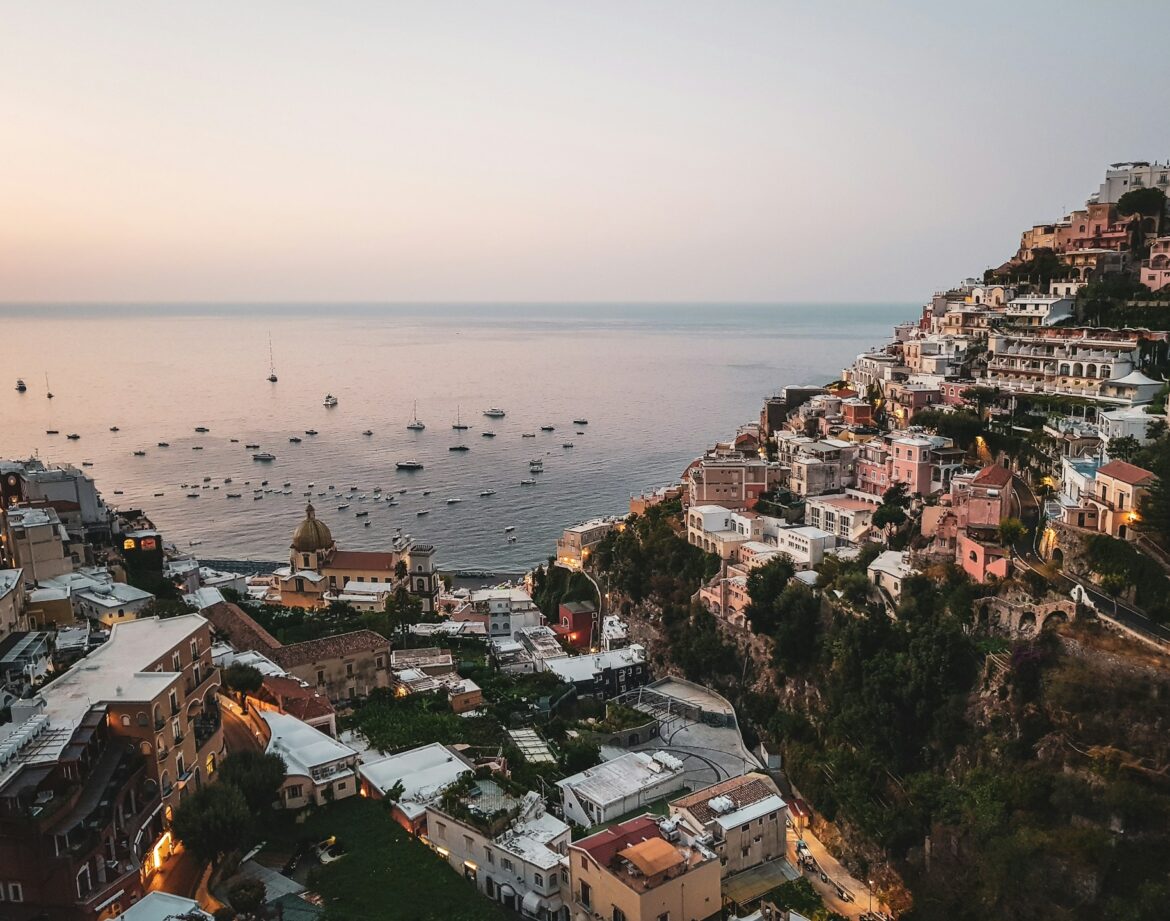
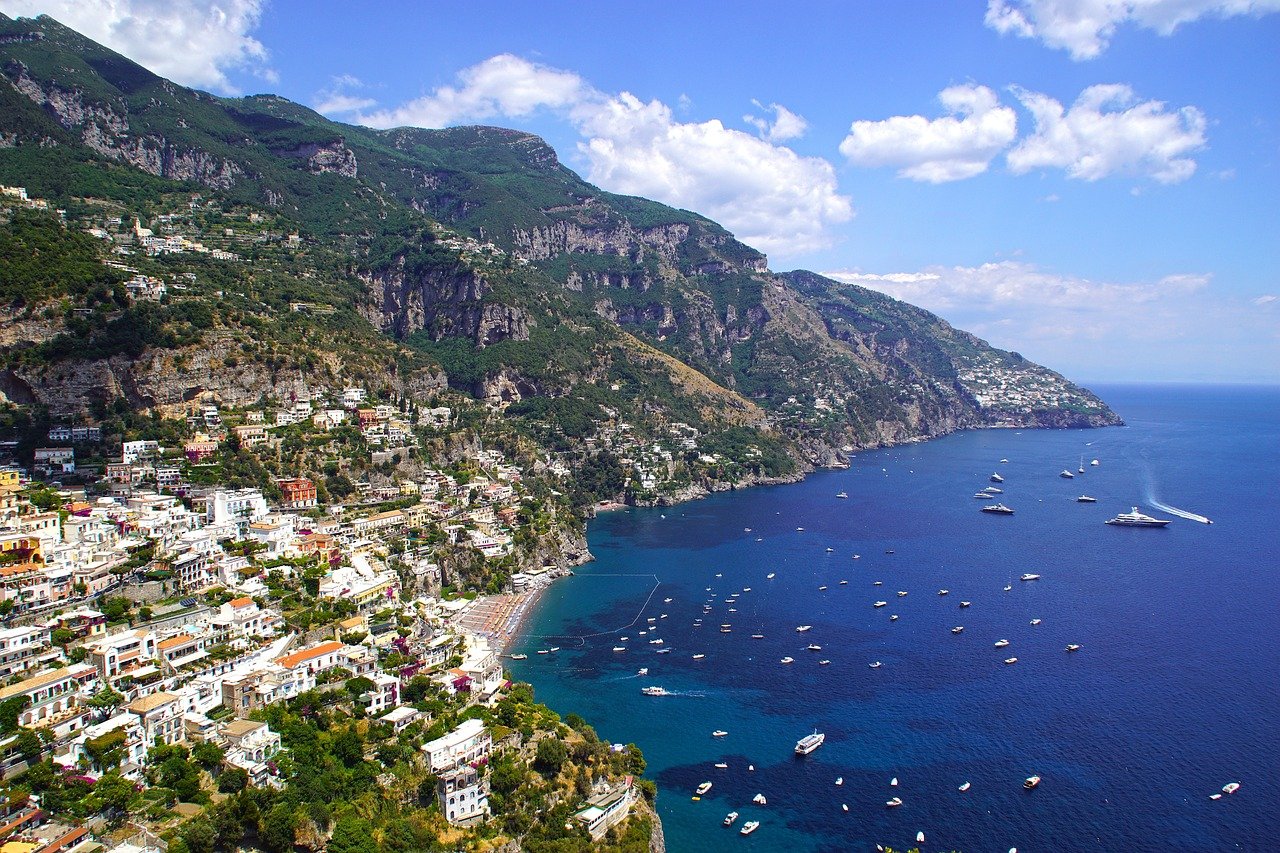
Positano is a visual crescendo—stacked terraces, boutiques, and a social rhythm that starts late and ends later. For purchase-oriented travelers, it also has the strongest “step outside and it’s happening” factor.
In villa terms, Positano rewards smart micro-location. A villa that looks central on a map can still involve steep climbs; a villa with better access can quietly feel like the best decision you made all year.
For a sense of what “central but livable” can look like, explore the Haute Retreats Positano villa rentals collection and compare layouts, access notes, and terrace design.
Fornillo and the upper lanes: the quieter Positano
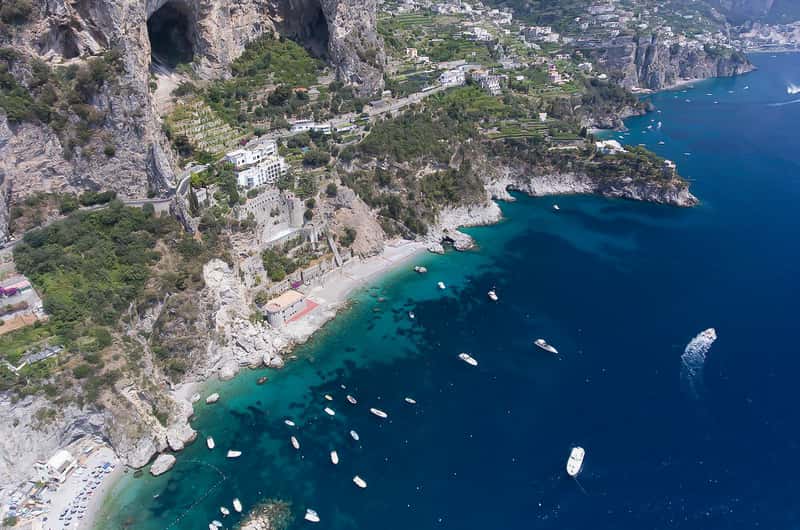
If you’re drawn to Positano but want calm nights, where to stay in Amalfi Coast can mean Positano—just not the loudest slice of it.
Fornillo and upper-lane addresses often deliver a softer mood. You still get the view, but you’re less exposed to the late-night swirl.
Villa design matters here. Look for shaded outdoor living, a strong indoor lounge for midday heat, and a bedroom layout that keeps light sleepers away from the most active terrace zones.
Marina Grande proximity: when “walkable” is the real luxury
If your trip is heavy on dining and short-notice plans, where to stay in Amalfi Coast becomes an access question, not a style question.
A short, manageable route to the waterfront changes everything: easier boat departures, easier last-minute gelato runs, and fewer negotiations with the day’s heat.
A strong Haute Retreats example of “rare asset: easier access” is Villa Mon Repos, described as close to the beach by local standards and designed for shoulder-season comfort as well.
Ravello above the coastline: Villa Rufolo views and quieter nights
If your priority is privacy, gardens, and a calmer luxury mood, where to stay in Amalfi Coast often resolves as Ravello.
Ravello sits above the sea and away from the beach crowds, and it’s consistently positioned as a more serene counterpoint to Amalfi and Positano. It’s also physically higher—about 365 meters above the Mediterranean (Ravello.com, n.d.).
That elevation translates to a different feel at night: breezier terraces, slower dinners, and mornings that begin with bell sounds instead of scooter sounds.
Ravello also has cultural gravity. The Ravello Festival’s 74th edition is scheduled from 4 July to 5 September 2026 (Ravello Festival, 2025).
Villa Rufolo energy, Villa Cimbrone romance, and family calm
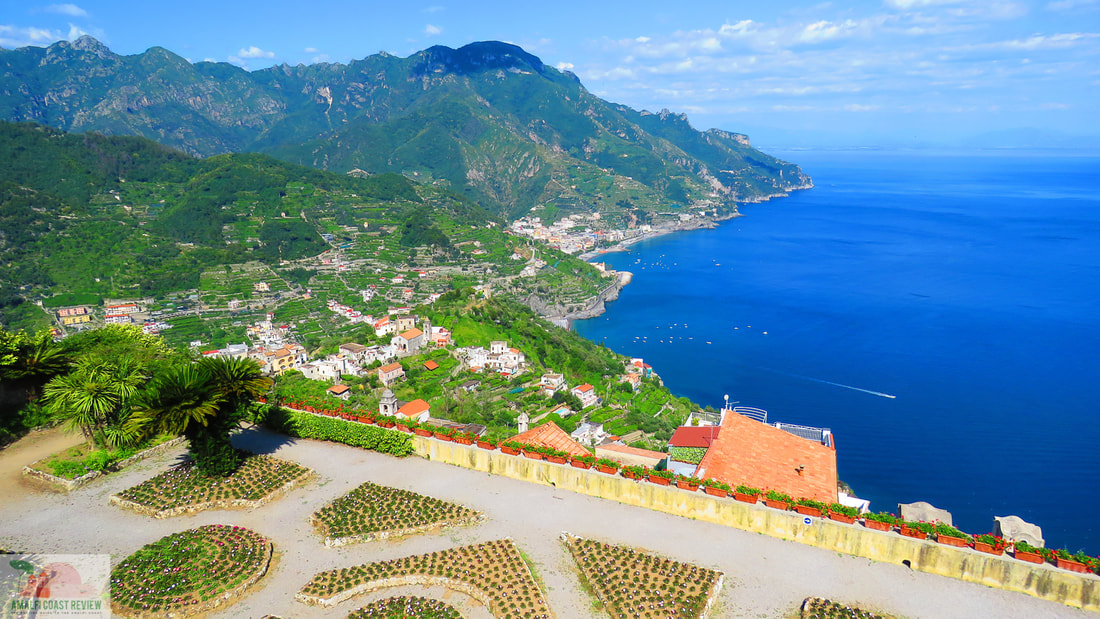
If you want beauty without the busiest foot traffic, where to stay in Amalfi Coast can mean “sleep in Ravello, visit the coast by boat.”
Families love Ravello for the same reason planners love it: it’s easier to protect downtime. A villa with a pool, shaded terrace, and clear bedroom separation can feel like a private resort.
For itinerary planning inspiration, Haute Retreats also publishes destination guidance—see Our Luxury Guide: Amalfi Coast for experience ideas that pair well with a Ravello base.
Ravello choice: If you’re debating where to stay in Amalfi Coast and you want the least performative kind of luxury—quiet views, gardens, slow breakfasts, and evenings that feel restorative—Ravello is the strongest “exhale” option. You give up beach adjacency, but you gain privacy, space, and a calmer soundtrack, especially for families and wellness-minded travelers.
Amalfi town for ferries, the Duomo, and day-trip convenience
If you want the most practical base with heritage character, where to stay in Amalfi Coast often becomes Amalfi town.
Amalfi is the historic name center of the coast, and its scale makes it feel more “town” than “postcard.” The cathedral complex is a focal point, with sources dating major phases as early as the 9th–10th centuries and later expansions (VisitAmalfi, n.d.).
What matters for luxury travelers is logistics. Amalfi is a strong hub for ferries and day trips, which reduces the need to fight road traffic every day—especially in peak season.
If you plan to move often, Amalfi can be the most efficient answer to where to stay in Amalfi Coast, particularly for a first visit.
Atrani and the eastern curve for calmer evenings

If you want Amalfi access with slightly softer evenings, where to stay in Amalfi Coast can mean “near Amalfi,” not necessarily “in the busiest pocket.”
Small shifts in location can protect sleep and make pickup logistics smoother. For families, this often feels like a hidden upgrade.
Amalfi base: For travelers asking where to stay in Amalfi Coast with maximum convenience, Amalfi town is the best all-around base for ferries, day trips, and a classic historic-center feel. It’s not as overtly glamorous as Positano or as quiet as Ravello, but it’s a strong “do everything well” choice—especially if your itinerary includes Capri, multiple towns, and structured plans.
How to choose where to stay in Amalfi Coast by travel style
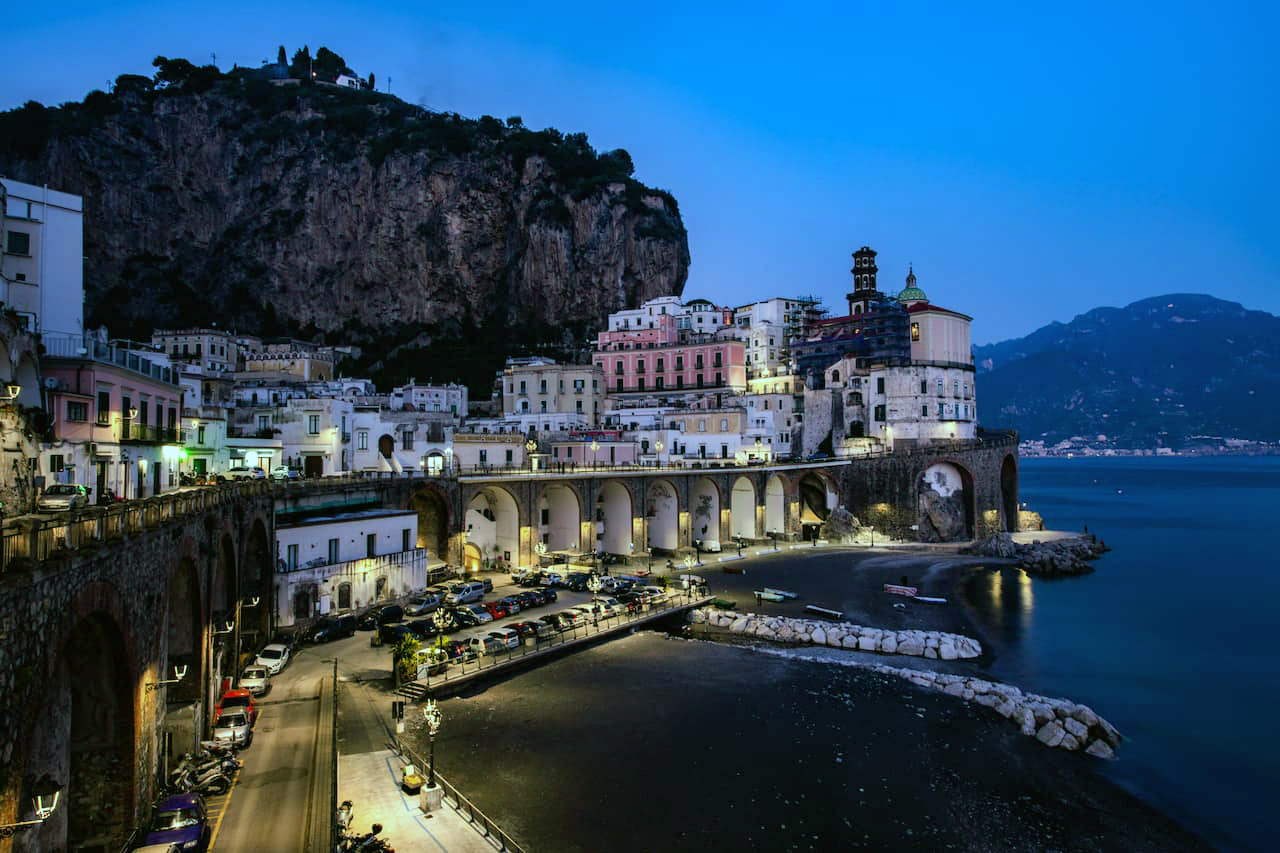
The best way to decide where to stay in Amalfi Coast is to match the town to your daily rhythm, not your Instagram saves.
Honeymoon or anniversary: Positano delivers romance on demand—views, dinners, and a sense of occasion. Ravello delivers privacy and softness, especially if your idea of romance includes reading by a pool.
Families with children: Ravello is often easiest for downtime. Amalfi can be best if you need constant logistics and predictable transport. In any town, a villa with safer outdoor design and defined staffing beats a prettier but impractical address.
Friends and celebrations: Positano is the most naturally social. Amalfi supports multi-stop plans. Ravello can be ideal for a private celebration where the villa is the destination.
If you’re comparing formats, Haute Retreats lays out the logic clearly in 5 Reasons to Rent a Villa in Italy over a Hotel—especially for groups where per-person value improves with space and shared amenities (Haute Retreats, 2023).
Seasonal strategy: April–May vs June–August vs September–October
The best timing for where to stay in Amalfi Coast is the timing that protects your access, not just your weather.
Late spring (April–May) often feels like the coast at its most elegant: open terraces, fresher air, and fewer pinch points. Peak summer (June–August) is dazzling, but it amplifies crowds and transfer friction.
Early fall (September–October) is a favorite for high-end travelers who want warm sea days with lighter crowds. Guidance sources commonly note September as a particularly comfortable month (Lonely Planet, 2025; Positano.com, n.d.).
timing that changes everything: If you’re deciding where to stay in Amalfi Coast, consider when before where. In peak summer, Positano’s social energy is highest but so is movement friction. In September, Amalfi becomes more navigable and Ravello feels especially restorative at night. In shoulder seasons, the “best town” is often the one with the best villa access and the best staffing, because you’ll actually use your terrace more.
What “true luxury” means on the Amalfi Coast

True luxury, when choosing where to stay in Amalfi Coast, is a blend of service quality, design intelligence, and local access.
On this coastline, beauty is common; ease is rare. The properties that feel most luxurious tend to have three things: thoughtful layout, clear inclusions, and a reliable local team.
Haute Retreats frames this service model through dedicated planning and local support—see Bespoke concierge services for what “turnkey” can look like in practice.
Definitions & Entities (quick clarity for planning)
If you’re researching where to stay in Amalfi Coast, these are the terms that matter most:
- Staffed villa: A private home with included service (commonly housekeeping; sometimes chef or butler).
- On-request services: Added experiences (private chef nights, boat charters, babysitting, drivers).
- Sea-view terrace: Not all terraces are equal—look for shade, dining setup, and wind protection.
- Infinity pool vs plunge pool: Infinity pools prioritize view; plunge pools prioritize cooling and compact space.
- Access notes: Parking, steps, elevator availability, and the last 200 meters to the front door.
luxury definition: When travelers ask where to stay in Amalfi Coast “for luxury,” the highest-impact luxuries are often invisible: a smoother arrival, a villa that fits your group’s sleep patterns, and service that’s defined in writing. Design matters, but operational details—housekeeping frequency, chef arrangements, driver coordination, and terrace usability—are what turn a beautiful property into a genuinely relaxing stay.
Villa details that make or break your stay: stairs, pools, terraces
The most important step in choosing where to stay in Amalfi Coast is verifying how the villa works for your group.
Stairs are not a flaw—they’re geography—but they change family friendliness. A villa with 200 steps can still be perfect for a fit group and totally wrong for toddlers or anyone with mobility concerns.
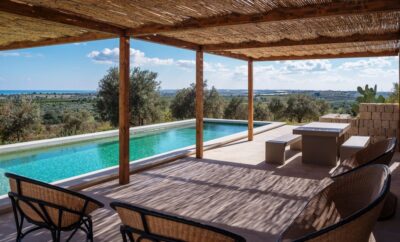
Pool design is also not cosmetic. For families, ask about fencing, depth, and how the pool relates to the main living space.
Terraces are the Amalfi Coast’s living rooms. The best ones have shade, a real dining setup, and enough seating that the group naturally gathers without feeling staged.
To browse by these practical features, start with the Amalfi Coast villas collection and filter mentally by “how will we live here every day,” not just “how will it photograph.”
Price ranges in 2026 and what you actually get (with real listing benchmarks)

A realistic way to evaluate where to stay in Amalfi Coast is to anchor expectations to live market benchmarks, then budget for service.
On Haute Retreats’ Amalfi Coast collection pages, smaller villas can appear from roughly $1,100/night, while landmark waterfront properties can list around $4,800+/night and beyond depending on dates and size (Haute Retreats listings, accessed 2026).
What you actually get at each tier is usually about space, privacy, and staffing clarity:
- Entry luxury: strong views, smaller pools or terraces, lighter staffing.
- Mid luxury: better terraces, more bedrooms with en-suites, stronger indoor/outdoor flow.
- Ultra-luxury: prime positioning, standout design, and a service plan that feels hotel-smooth in a private home.
For Positano-specific inspiration, villas like Villa Limone and Torre di Positano show how view, scale, and uniqueness affect perceived value (Haute Retreats, accessed 2026).
pricing truth: If you’re comparing where to stay in Amalfi Coast by price alone, you’ll miss the real differentiator: access and service. A slightly higher nightly rate can be the better value if it reduces transfers, protects your time, and includes the staffing you would otherwise add à la carte. In Amalfi Coast luxury, value is measured in ease per day, not euros per night.
Comparison table: Positano vs Ravello vs Amalfi for luxury stays
The simplest answer to where to stay in Amalfi Coast is the town that matches your trip’s top priority.
| Entity / Option | Best For | Location / Context | Key Features | Approx. Price / Range | Notable Highlight |
|---|---|---|---|---|---|
| Positano | Couples, friends, style-led trips | Cliffside above the beach scene | Social energy, iconic views, dining density | $$–$$$$ | Most “walk out and it’s happening” |
| Ravello | Privacy, wellness, families | Hilltop above the coast | Quieter nights, gardens, cultural calendar | $$–$$$$ | Calm luxury with panoramic altitude |
| Amalfi | First-timers, movers, day trips | Historic town and ferry hub | Practical logistics, heritage center | $$–$$$$ | Best base for multi-town itineraries |
| Praiano (quiet alternative) | Couples and small groups who want calm | Between Positano and Amalfi | Softer pace, strong views | $$–$$$ | Often feels “exclusive without trying” |
How to choose where to stay in Amalfi Coast with Haute Retreats
To choose where to stay in Amalfi Coast confidently, follow a structured process that starts with group needs and ends with logistics checks.
- Define your non-negotiables (budget + group size). Decide your nightly comfort range and the number of en-suite bedrooms you truly need.
- Choose your base by daily rhythm. For beach-and-dinner spontaneity pick Positano; for quiet villa living pick Ravello; for ferry efficiency pick Amalfi. This is the core of where to stay in Amalfi Coast.
- Set the staffing level. Confirm what’s included (housekeeping frequency) and what you want added (chef nights, driver, babysitting). Start with Luxury travel concierge support if you want end-to-end handling.
- Match the villa layout to your guest profile. Families: pool safety + bedroom proximity. Friends: terrace scale + sound separation. Couples: privacy + view lines.
- Audit access like it’s an amenity. Ask about stairs, parking, drop-off points, elevator availability, and luggage handling.
- Clarify policies early. Minimum stay, event permissions, quiet hours, visitor rules, and deposits should be understood before you commit.
- Confirm what’s included vs extra. Utilities, pool heating, chef groceries, late arrivals, and additional staff can change totals.
- Lock logistics and final checks. Transfers, boat days, provisioning, and arrival timing should be confirmed so your first day feels effortless.
For a broader Italy comparison as you plan multi-stop trips, browse Italian villas for rent and build an itinerary that matches your season and pace.
What to Watch Out For
- Peak dates can sell out early, and high demand increases transfer friction and limits choice (UN Tourism, 2025).
- Minimum stays are common in summer, and event policies can be stricter than guests expect.
- Road access is famously narrow, and last-mile drop-offs can be far from the front door—verify stairs and luggage handling.
- Some services run seasonally; shoulder or winter trips need extra planning for reduced schedules.
- Optional costs can add up: pool heating, chef groceries, extra staff hours, security, and late arrivals.
- Noise expectations vary by location; protect your group by confirming terraces, neighbors, and quiet-hour norms in advance.
A refined next step with Haute Retreats
The most satisfying answer to where to stay in Amalfi Coast is the one that fits your pace: Positano for glamour and spontaneity, Ravello for quiet villa living, Amalfi for practical movement and heritage.
When you’re ready, explore the curated Amalfi Coast villas collection and request a tailored match through Haute Retreats, so your villa’s design, service plan, and access all support the trip you actually want.