What Caribbean Islands Have Travel Warnings? Updated Safety Tips
What Caribbean islands have travel warnings right now: Haiti, Trinidad and Tobago, Jamaica, The Bahamas, Turks and Caicos, Grenada, Cuba, and the Dominican Republic have elevated U.S. State Department advisories as of the latest U.S. State Department advisories, while many luxury villa destinations such as Barbados, St Barts, Anguilla, and the Cayman Islands are listed at Level 1. In practical terms, eight island destinations have elevated advisories: one Level 4, one Level 3, and six Level 2. The Atlantic hurricane season officially runs from June 1 to November 30, so villa travelers should pair advisory checks with storm-season planning.
Key Takeaways
- What Caribbean islands have travel warnings depends on the issuing government, but U.S. Level 2–4 advisories are the clearest baseline for most global travelers.
- Haiti is the only Caribbean island country currently at Level 4, meaning “Do Not Travel” under U.S. guidance.
- Trinidad and Tobago is at Level 3, so luxury travelers should reconsider non-essential trips unless they have a compelling reason and strong local support.
- Jamaica, The Bahamas, Turks and Caicos, Grenada, Cuba, and the Dominican Republic are Level 2, meaning trips can be possible with extra planning.
- What Caribbean islands have travel warnings should be checked again before deposit, final payment, and departure because advisories can change.
Quick Decision Snapshot for Different Luxury Travelers
Different travelers should interpret warnings according to how much independence, privacy, and staff support they expect on island.
- If a family asks what Caribbean islands have travel warnings, start with medical access, enclosed grounds, private transfers, and whether children will be walking anywhere without adults.
- If a honeymoon couple asks what Caribbean islands have travel warnings, focus on whether the island allows relaxed dinners, beach-hopping, and late returns without a complicated driver plan.
- If a multigenerational group asks what Caribbean islands have travel warnings, prioritize direct flights, short airport transfers, ground-floor bedrooms, and a villa manager who can solve problems quickly.
- If a corporate retreat asks what Caribbean islands have travel warnings, choose an island with reliable power, strong connectivity, controlled transport, and a villa layout that keeps the group together.
- If a festive-season group asks what Caribbean islands have travel warnings, confirm cancellation terms early because Christmas and New Year deposits are often less flexible.
- If a yacht-and-villa group asks what Caribbean islands have travel warnings, verify marina security, licensed boat operators, weather windows, and insurance before confirming the itinerary.
- If a wellness group asks what Caribbean islands have travel warnings, check hospital access, mosquito protection, shaded outdoor areas, and whether treatments happen in-villa rather than off-site.
- If a privacy-focused guest asks what Caribbean islands have travel warnings, compare not only the advisory level but also driveway privacy, staffing discretion, exterior lighting, and guest arrival protocols.
What Caribbean Islands Have Travel Warnings
For high-end travelers, what Caribbean islands have travel warnings matters because the wrong island choice can turn a seamless villa escape into a logistics-heavy trip.
In practice, Haute Retreats guests rarely ask only, “Is the island safe?” They ask whether grandparents can move comfortably through the airport, whether teenagers can walk to the beach club, whether the chef can source clean seafood after a storm, and whether a villa manager can solve a power, medical, or transfer issue discreetly. This is where what Caribbean islands have travel warnings becomes a practical booking question, not a headline.
A common family scenario is a festive-week villa inquiry for 10 to 16 guests. The group may love Jamaica’s music, food, and villa culture, but the advisory means the better plan is a staffed estate with vetted transfers, no self-driving at night, and a clear medical plan. Another scenario is a couple comparing Turks and Caicos with St Barts. Turks and Caicos may still work beautifully, but St Barts may feel calmer for travelers who want a lower-advisory profile and a more walkable dining rhythm.
The positive surprise is that a travel warning does not automatically make an island unsuitable for every luxury traveler. The negative surprise is that a beautiful villa cannot compensate for weak logistics. When clients ask what Caribbean islands have travel warnings, the more useful answer is: which islands match your group’s risk tolerance, service needs, flight pattern, and desire for independence.
What “Travel Warnings” Means for Caribbean Villa Planning
A travel warning usually means an official government advisory that flags elevated risk, but the wording and severity vary by country.
For this article, what Caribbean islands have travel warnings is interpreted through U.S. State Department Travel Advisory levels because they are public, structured, and updated by destination. The State Department describes a Travel Advisory as a report that explains destination risks and recommended precautions for U.S. citizens; it also reviews Level 1 and 2 advisories every 12 months and Level 3 and 4 advisories at least every six months.
What Caribbean islands have travel warnings should not be read as a simple “go” or “do not go” list. Level 2 means use increased caution; Level 3 means reconsider travel; Level 4 means do not travel. Luxury travelers should translate each level into concrete decisions about location, staffing, transfers, medical access, insurance, and how much independence they want once on island.
For editorial clarity, what Caribbean islands have travel warnings is treated as a planning filter rather than a fear label. For booking clarity, what Caribbean islands have travel warnings is reviewed before recommending a destination shortlist. For family clarity, what Caribbean islands have travel warnings is weighed against medical access and transfer control. For value clarity, what Caribbean islands have travel warnings is balanced against the extra cost of drivers, staff, and insurance. For final confirmation, what Caribbean islands have travel warnings is checked again close to travel because conditions can change quickly.
Which Caribbean Islands Currently Have Travel Warnings?
The Caribbean islands currently carrying elevated U.S. advisories are Haiti, Trinidad and Tobago, Jamaica, The Bahamas, Turks and Caicos, Grenada, Cuba, and the Dominican Republic.
The table below answers what Caribbean islands have travel warnings in a way that a villa traveler can use before shortlisting. Belize is sometimes grouped into Caribbean travel planning, but it is not an island, so it is not included in the primary island list.
| Entity / Option | Best For | Location / Context | Key Features | Approx. Price / Range | Notable Highlight |
|---|---|---|---|---|---|
| Haiti | Not recommended for leisure travel | Hispaniola, west of the Dominican Republic | Level 4: Do Not Travel; crime, kidnapping, unrest, terrorism, health risks | Not suitable for Haute Retreats leisure planning | U.S. guidance says do not travel. |
| Trinidad and Tobago | Only highly prepared essential travel | Southern Caribbean | Level 3: Reconsider Travel; crime, terrorism, health limits | Luxury leisure alternatives usually preferred | Tobago has lower crime rates than Trinidad, but the country remains Level 3. |
| Jamaica | Staffed villa stays with disciplined logistics | Northern Caribbean | Level 2; crime, health, natural disaster risks | Villa rates vary by season, estate size, and staff | Montego Bay and western areas require post-hurricane service checks. |
| The Bahamas | Private-island style stays with security awareness | New Providence, Grand Bahama, Out Islands | Level 2; crime, boating, jet ski, beach safety | Wide range from beach homes to estates | Security and regulated marine operators matter. |
| Turks and Caicos | Beachfront villas with curated transfers | Providenciales, Grace Bay, Turtle Tail | Level 2; crime and strict ammunition laws | Fully staffed Grace Bay villas command premium rates | Excellent villa product, but luggage checks are essential. |
| Grenada | Low-key luxury with extra situational awareness | Southern Caribbean | Level 2; crime risk | Usually more understated than St Barts or Turks | Police response times may be slower than U.S. expectations. |
| Cuba | Culture-led travel with legal and infrastructure constraints | Greater Antilles | Level 2; crime and unreliable electrical power | Not a typical Haute Retreats villa recommendation | U.S. tourist travel is legally restricted. |
| Dominican Republic | Resort-community villas with smart routing | Punta Cana, Cap Cana, Casa de Campo | Level 2; crime | Fully staffed Punta Cana villas may range widely by season and service | Gated communities and vetted transfers are important. |
The headline answer to what Caribbean islands have travel warnings is therefore more nuanced than “the Caribbean is safe” or “the Caribbean is risky.” Haiti sits in a different category from Jamaica or Turks and Caicos. A Level 2 island can still deliver a refined villa holiday when the itinerary is built around secure access, strong staffing, and realistic local movement.
Haiti and Trinidad and Tobago: The Highest-Risk Advisory Tier
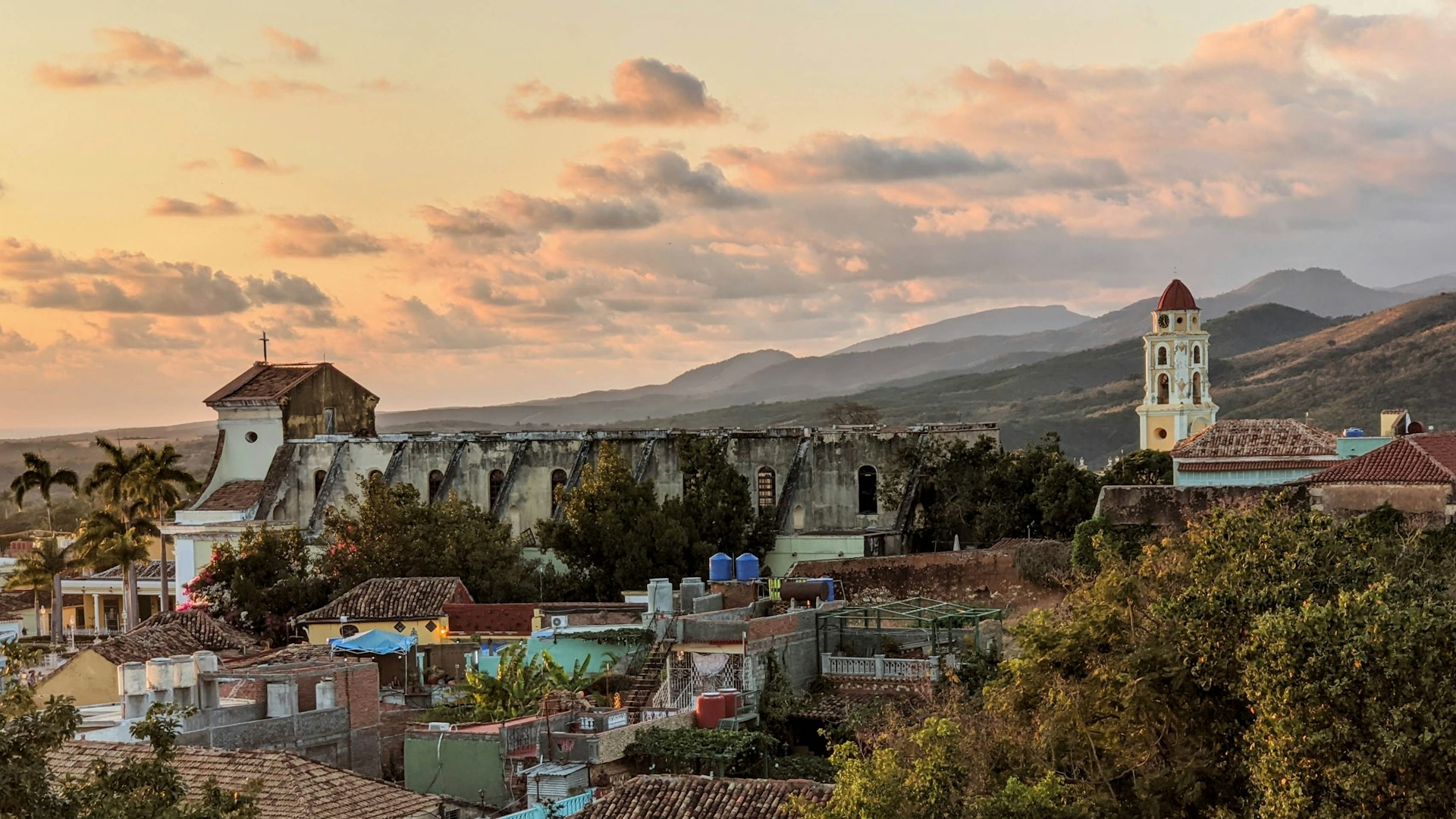
Haiti and Trinidad and Tobago are the Caribbean island destinations where advisory level should most strongly affect whether you travel.
Haiti is Level 4: Do Not Travel. The U.S. advisory cites crime, terrorism, kidnapping, unrest, and limited health care, and notes that U.S. commercial flights are not currently operating to or from Port-au-Prince. For Haute Retreats’ audience, Haiti is not a leisure villa recommendation at this time.
Trinidad and Tobago is Level 3: Reconsider Travel. The current U.S. advisory cites crime, health, and terrorism risks, and it notes a March 2, 2026 nationwide state of emergency after a spike in violent criminal activity. It also states that crime rates are lower in Tobago than in Trinidad, which is important but not enough to treat the destination as low risk.
When someone asks what Caribbean islands have travel warnings for a honeymoon, anniversary, or family reunion, these two destinations should be handled differently. Haiti is a clear no for leisure. Trinidad and Tobago requires a strong reason, vetted local support, limited movement, and insurance that includes emergency evacuation.
For luxury leisure travel, what Caribbean islands have travel warnings starts with the highest-risk tier. Haiti is the only Level 4 Caribbean island country in this review. Trinidad and Tobago is Level 3. Most villa travelers seeking ease, beach time, and polished service should prioritize a lower-advisory island unless personal, business, or family reasons make travel necessary.
Jamaica, the Dominican Republic, and Cuba: When Culture, Service, and Caution Intersect
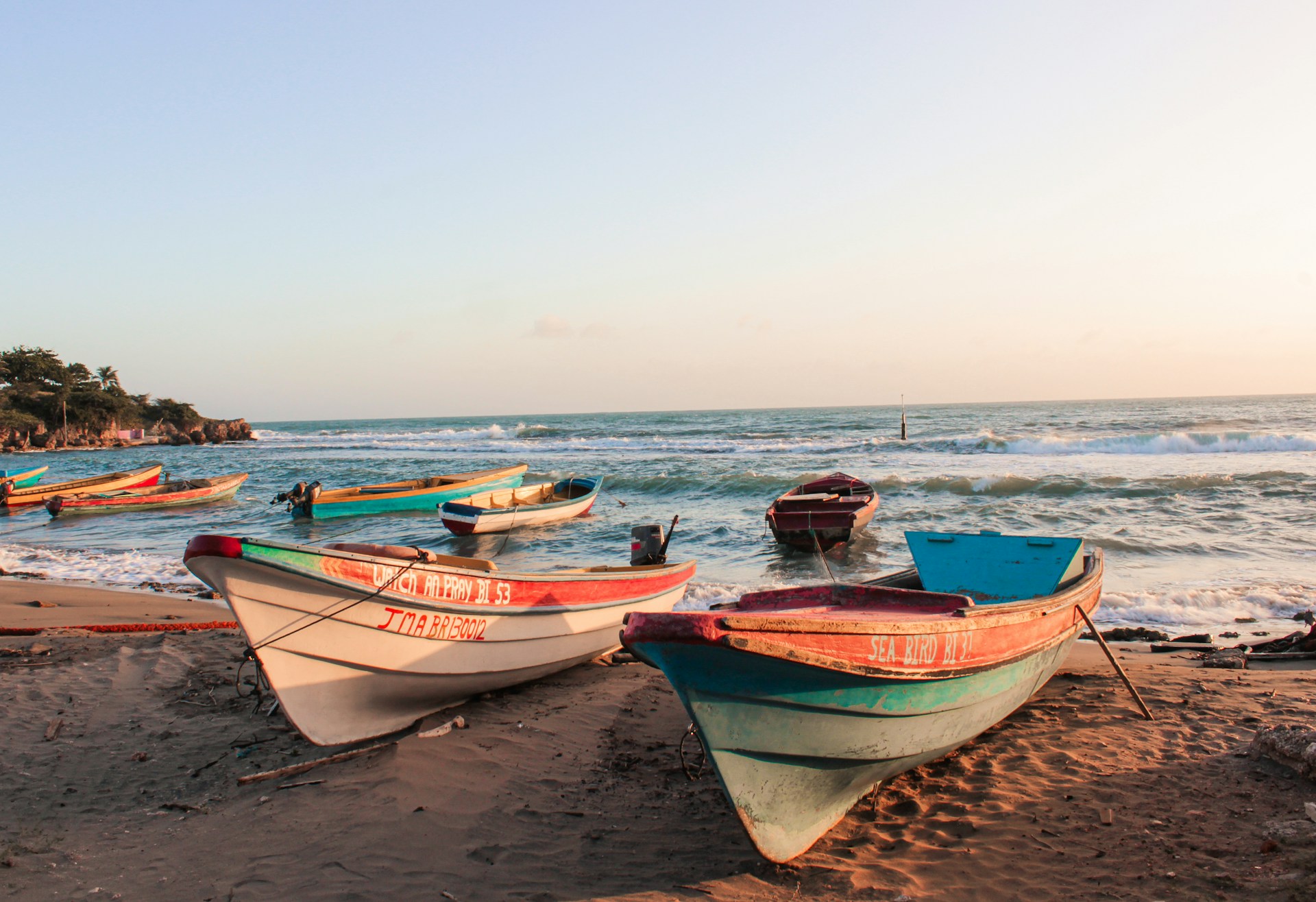
Jamaica, the Dominican Republic, and Cuba are Level 2 destinations, but the reason for caution differs sharply by island.
Jamaica is Level 2 due to crime, health, and natural disaster risks. The January 17, 2026 advisory notes that Jamaica continues to recover from Hurricane Melissa, which made landfall on October 28, 2025, and says some western areas, including Black River and Montego Bay, are in varying stages of recovery.
For villa travelers, Jamaica can still be compelling when the property is fully staffed, transport is arranged, and the itinerary avoids unnecessary night driving. A private chef, secure estate entry, and a villa manager who confirms beach, road, and hospital access are not luxuries here; they are planning tools. Haute Retreats guests considering Montego Bay can browse Jamaica villas in Montego Bay for the style of staffed property that fits this more controlled approach.
The Dominican Republic is Level 2 due to crime, but the advisory also notes tourist destinations are generally more policed than metropolitan or rural areas and that the country has a dedicated tourist police force, POLITUR. This is why gated resort communities in Punta Cana, Cap Cana, and Casa de Campo often make more sense for high-end groups than standalone urban stays. Explore Dominican Republic luxury villas or fully staffed Punta Cana villas when the brief is beach, golf, chef service, and controlled access.
Cuba is Level 2 due to crime and unreliable electrical power, and the advisory also states that U.S. law prohibits tourist travel to Cuba without an authorized OFAC basis. For the Haute Retreats audience, Cuba is usually less straightforward than it appears: infrastructure, legal categories, payment logistics, and power reliability can matter more than the romance of Havana architecture.
The Bahamas, Turks and Caicos, and Grenada: Level 2 Islands That Still Need Smart Villa Logistics
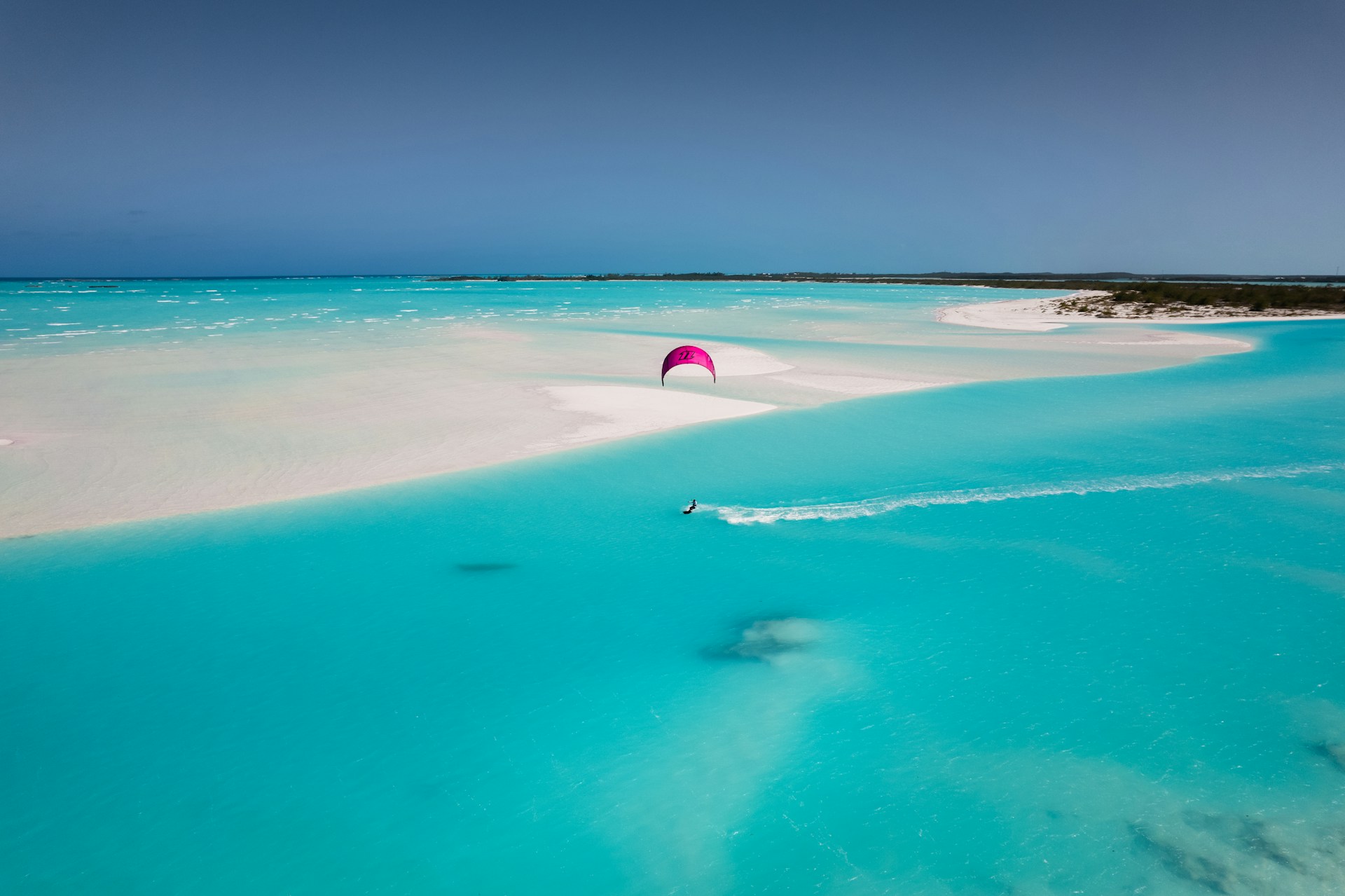
The Bahamas, Turks and Caicos, and Grenada can suit luxury travelers, but each requires a different safety lens.
The Bahamas is Level 2 due to crime. The advisory highlights Nassau and Freeport as areas where most crime occurs and warns travelers to stay alert in vacation rental properties, especially where private security is not present. It also flags boating, jet ski, beach, shark, and firearm-ammunition risks.
Turks and Caicos is Level 2 due to crime, with most crime occurring in Providenciales, and the advisory strongly warns about strict firearms and ammunition laws, including single bullets accidentally left in luggage. Yet Turks and Caicos remains one of the Caribbean’s most requested luxury villa destinations because the best stays are highly controlled: private transfers, beachfront staff, chef service, and low-friction villa days on Grace Bay or Turtle Tail. Haute Retreats’ Turks and Caicos villas with private chef are especially relevant for guests who want privacy without sacrificing service cadence.
Grenada is Level 2 due to crime. The advisory notes violent crime can occur anywhere in Grenada and that police response times may not be as fast as travelers expect in the United States. This does not remove Grenada from consideration, but it does make villa location, driver arrangements, and nighttime movement more important than in a simple beach postcard.
What Caribbean islands have travel warnings is not the same as “which Caribbean islands should I avoid.” The Bahamas, Turks and Caicos, and Grenada carry Level 2 advisories, yet many travelers can still plan refined stays when they choose secure villas, avoid isolated late-night movement, check luggage for prohibited items, and book marine activities through vetted operators.
Lower-Advisory Luxury Alternatives: Barbados, St Barts, Anguilla, and the Cayman Islands
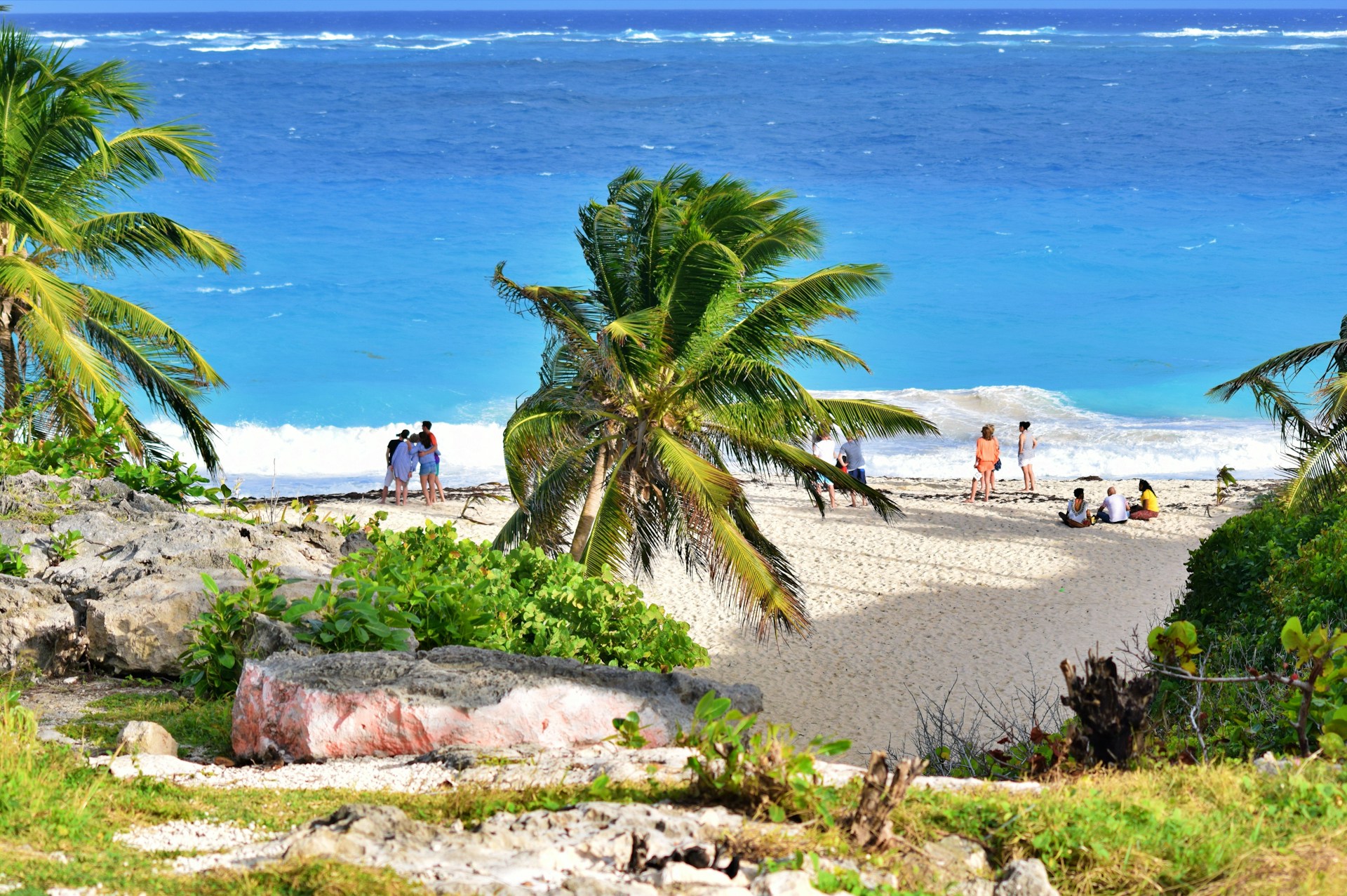
Barbados, St Barts, Anguilla, and the Cayman Islands are useful alternatives for travelers who want a lower-advisory Caribbean villa base.
When clients ask what Caribbean islands have travel warnings but still want white sand, elegant dining, and a private chef, we often move the conversation toward islands that are currently Level 1 under U.S. guidance. Barbados, the French West Indies, Anguilla, and the Cayman Islands are listed at Level 1 in the U.S. advisory system.
Barbados is often the best fit for families who want villa privacy plus restaurants, golf, beach clubs, and reliable service culture. Browse luxury Barbados villas when your group wants staffed living, chef service, and polished west-coast access.
St Barts is ideal for design-led travelers who value privacy but still want boutiques, beach restaurants, and a highly social island rhythm. Haute Retreats’ St Barts villa rentals work especially well for couples, festive-season groups, and travelers who prefer a smaller island with strong villa inventory.
Anguilla is the quiet-luxury answer: superb beaches, understated dining, and villas that feel almost private-island in atmosphere. The Anguilla villas for rent collection suits travelers who want calm water, spacious estates, and a slower pace.
Safety Tips for Families, Couples, and Private-Villa Groups
The safest Caribbean villa trips are built around controlled movement, strong staff, and clear contingency planning.
For families, what Caribbean islands have travel warnings matters most when children and grandparents will be moving independently. Choose a villa with enclosed grounds, pool visibility from main living areas, staff on site during the day, and easy access to urgent care. For more family planning context, see Haute Retreats’ guide to Caribbean family vacations.
For couples, the tradeoff is freedom versus friction. A lower-advisory island may allow more spontaneous dining and beach-hopping. A Level 2 island may still be romantic, but it rewards pre-booked drivers, restaurant reservations, and avoiding isolated late-night walks.
For large groups, the villa is not just a place to sleep; it is the operating base. Ask whether the property has exterior lighting, secure access, generator backup, filtered water, staff quarters, and a manager who can coordinate medical or weather contingencies. Guests browsing curated Caribbean villa rentals should shortlist by service infrastructure, not just bedroom count or beach frontage.
Health planning also belongs in the safety conversation. The CDC says dengue outbreaks are reported frequently in regions including the Caribbean, and the CDC Yellow Book notes that the Caribbean was among the most frequently reported travel regions for U.S. travel-associated dengue cases during 2010–2021. Luxury travelers should still pack repellent, ask about screened bedrooms, and keep medical insurance details accessible.
Hurricane Season, Medical Access, and Insurance: The Non-Negotiables
Caribbean safety is not only about crime; weather, power, roads, and medical care often determine how comfortable a trip feels.
NOAA’s National Hurricane Center states that the Atlantic hurricane season runs from June 1 through November 30, with peak activity typically falling between mid-August and October. For villa guests, this means a mid-season booking sits inside the most active stretch of the year, so late-summer and autumn bookings still require stronger cancellation, travel-delay, and evacuation planning.
The most important villa question during hurricane season is not “Will there be a storm?” It is “What happens if services are interrupted?” Ask about generator capacity, water storage, shutters, staff availability, road access after heavy rain, and whether the property has a written storm protocol.
What Caribbean islands have travel warnings should be checked alongside hurricane season and medical access. A Level 1 island can still face storm disruption, while a Level 2 island with excellent villa staff may feel smoother than a poorly supported stay elsewhere. The best luxury decision weighs advisory level, season, property resilience, medical access, and transfer control together.
Plan the Caribbean with Confidence, Not Fear
The right answer to what Caribbean islands have travel warnings is not to avoid the Caribbean; it is to choose with precision.
Some islands call for postponement. Some call for stronger logistics. Others offer a lower-advisory setting with the same elements high-end travelers come for: warm water, privacy, chef-led dining, generous bedrooms, and the rare pleasure of moving at the pace of the sea. Haute Retreats helps turn that distinction into an itinerary that feels calm, considered, and deeply personal.
Explore curated Caribbean villa rentals, compare lower-advisory favorites such as luxury Barbados villas and St Barts villa rentals, or request a tailored proposal based on your dates, group size, and comfort level.