The Best Things to Do in Costa Rica: A Curated Guide for Discerning Travelers
Costa Rica concentrates more things to do in Costa Rica per square mile than almost any comparable destination on earth: active volcanoes, world-class surf breaks, bioluminescent bays, and biological reserves that shelter roughly 5–6% of the planet’s known species despite covering less than 0.03% of its land surface (SINAC, 2023). In 2024, over 3.2 million international visitors arrived, many of them high-end travelers who discovered that the most rewarding things to do in Costa Rica — private naturalist expeditions, deep-sea fishing charters, cliff-top sunset dinners, and in-villa spa rituals — are best approached from a fully staffed private villa where the itinerary moves on your schedule, not a group timetable (UNWTO/Statbase, 2024).
Key Takeaways
- Over 25% of Costa Rica’s territory is formally protected as national parks and reserves, placing extraordinary wildlife within reach of most private villa positions (SINAC, 2023).
- Dry-season dates (mid-December through April) deliver the most reliable Pacific beach weather, but Haute Retreats’ booking data shows July and August consistently offer better villa availability, greener landscapes, and more intimate park access.
- Regional geography is the single most important planning variable: Guanacaste suits guests who want marina-level polish and infrastructure; the Osa Peninsula rewards those who prioritize ecological rarity over convenience.
- Staffed villas in Papagayo and Tamarindo typically include dedicated concierge service, which transforms multi-experience itinerary planning from a logistical burden into a seamless, daily conversation.
- Peak-season properties — particularly oceanfront estates sleeping eight or more — are regularly reserved 6–9 months in advance; waiting until 90 days out almost always means accepting second-tier options.
What High-End Travelers Actually Experience When Planning Things to Do in Costa Rica
The most useful starting point for things to do in Costa Rica at the luxury level is not a list of landmarks — it is a pattern of how well-planned trips actually unfold.
A typical Haute Retreats guest arrives after a direct flight into Liberia, clears customs in under twenty minutes, and is sitting at a private infinity pool overlooking the Pacific within ninety minutes of landing. The concierge has already sketched four or five days of things to do in Costa Rica a sunrise boat to Catalina Islands, a private naturalist walk at Rincón de la Vieja, a full evening in the Arenal hot springs, but nothing is fixed. Everything recalibrates the next morning over coffee on the terrace, based on how the group actually feels.
Families with children between eight and fourteen consistently report that the best things to do in Costa Rica are the unscripted ones. A troupe of howler monkeys at the garden fence. A scarlet macaw landing close enough to count its feathers. A sea turtle nest discovered on an evening walk. Multi-generational groups often tell Haute Retreats concierge teams that a kitchen session with the villa’s private chef learning to prepare ceviche or gallo pinto from scratch, becomes the most talked-about moment of the week, eclipsing every organized tour.
Honeymooners find that things to do in Costa Rica can be calibrated precisely: bioluminescent kayaking one night, followed by an undisturbed morning in a terrace hammock with no agenda at all. The most common disappointment, almost always, is underestimating how sharply regional geography shapes everything. Guests who book without understanding the differences between Guanacaste and the Osa Peninsula sometimes find the beach access or wildlife density falls short of expectations.
Why Things to Do in Costa Rica Differ So Dramatically Between Regions
The diversity of things to do in Costa Rica is a direct product of the country’s compressed geography. Three mountain ranges, two coastlines, and dozens of distinct microclimates exist within a country smaller than West Virginia. That compression allows a guest to move from Pacific beach to cloud forest to active volcanic crater within a single day, but the specific things to do in Costa Rica available from your villa depend almost entirely on where you are based.
The North Pacific coast Guanacaste, Papagayo Peninsula, Tamarindo offers the most refined infrastructure for high-end travelers. Marinas, championship golf courses, helipads, and well-maintained roads to Liberia Airport make logistics seamless. The Central Pacific around Manuel Antonio delivers iconic wildlife encounters in a compact, accessible national park. The Osa Peninsula in the far south remains the most raw: National Geographic famously described Corcovado as “the most biologically intense place on Earth,” and strict daily permit quotas keep access limited and exclusive. The Caribbean coast, particularly Tortuguero, adds a completely different register Afro-Caribbean cuisine, jungle canal systems, and the hemisphere’s most significant green turtle nesting grounds.
This regional understanding is the single most important planning decision a discerning traveler can make before booking.
The Best Things to Do in Guanacaste and Papagayo for Guests Staying in Staffed Villas
Guanacaste and the Papagayo Peninsula offer the densest concentration of well-curated things to do in Costa Rica for guests who want both adventure and privacy without sacrificing logistical comfort.
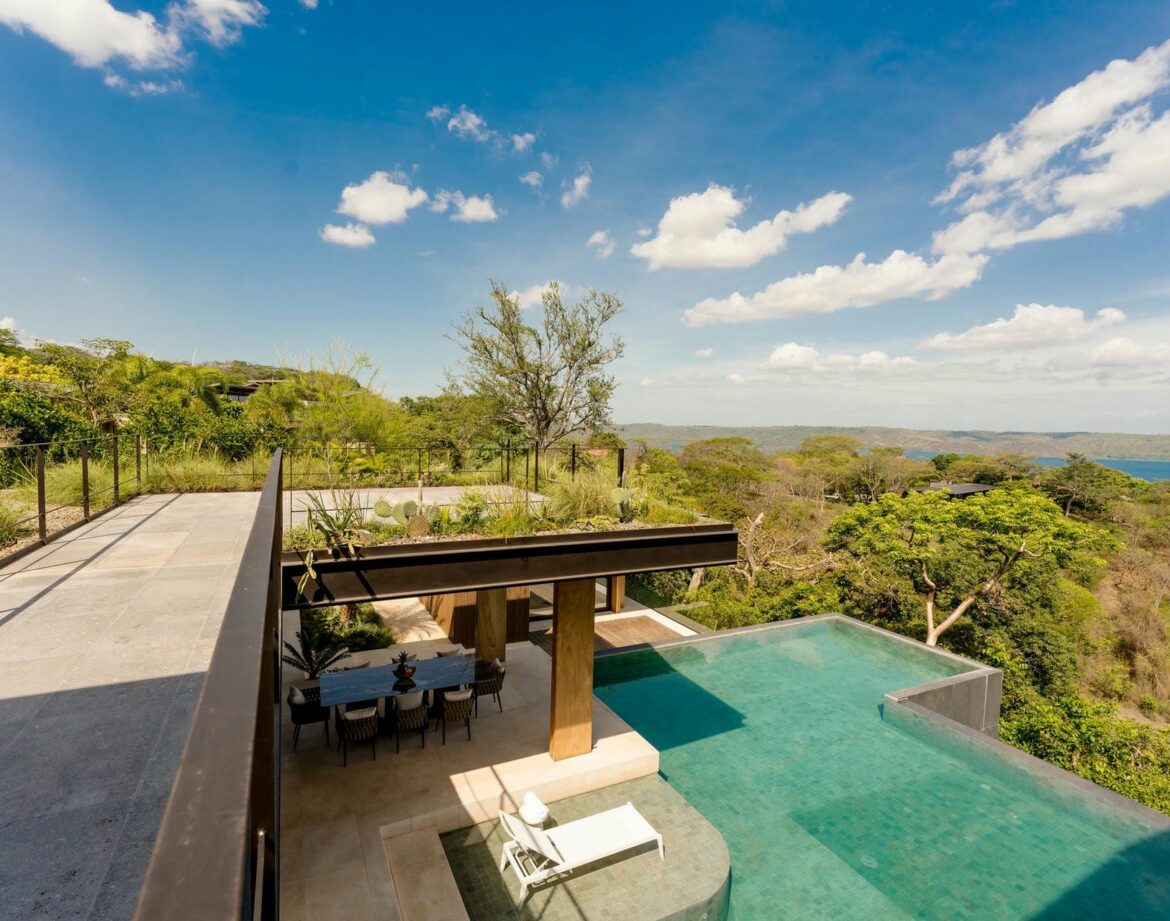
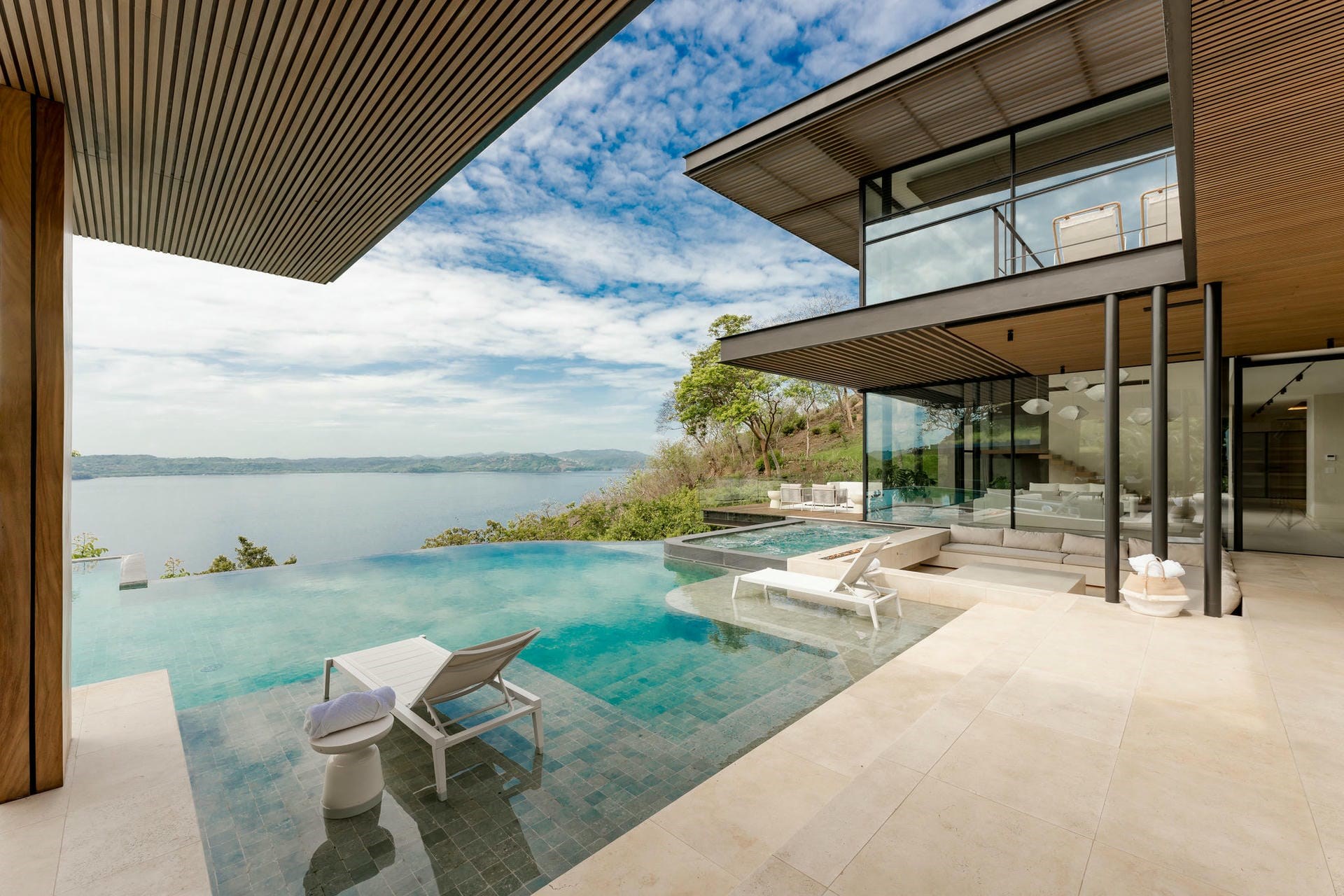
Properties like The Hive, a striking modern estate perched above the Pacific coastline on Peninsula Papagayo, position guests within direct reach of deep-sea fishing charters, sailing day trips to the Bat Islands, and private ATV circuits through the secondary dry-forest corridor. The Hive accommodates up to twelve adults with a fully live-in staff, making it an ideal base for multi-generational families who want to do a great deal but still return each evening to a single, settled home.
Deep-sea fishing in the Gulf of Papagayo consistently produces marlin, dorado, roosterfish, and wahoo — especially between December and April. Charters are arranged through the villa concierge and can include onboard catering; catch-and-release is the standard practice for billfish. Sailing and catamaran charters to Catalina Islands are among the most frequently requested things to do in Costa Rica by Haute Retreats guests on the Papagayo coast — dive sites here regularly host manta rays, white-tip reef sharks, and, between October and February, occasional whale sharks.
Inland, the dry-forest biological corridor running through Guanacaste rewards guests with birding walks, quad-bike tours to thermal pools near Rincón de la Vieja, and private guided hikes toward the vivid turquoise waters of Río Celeste — one of the most photogenic things to do in Costa Rica and still relatively unknown to guests who stick to the standard resort circuit.
Things to Do Around Arenal Volcano and the Monteverde Cloud Forest
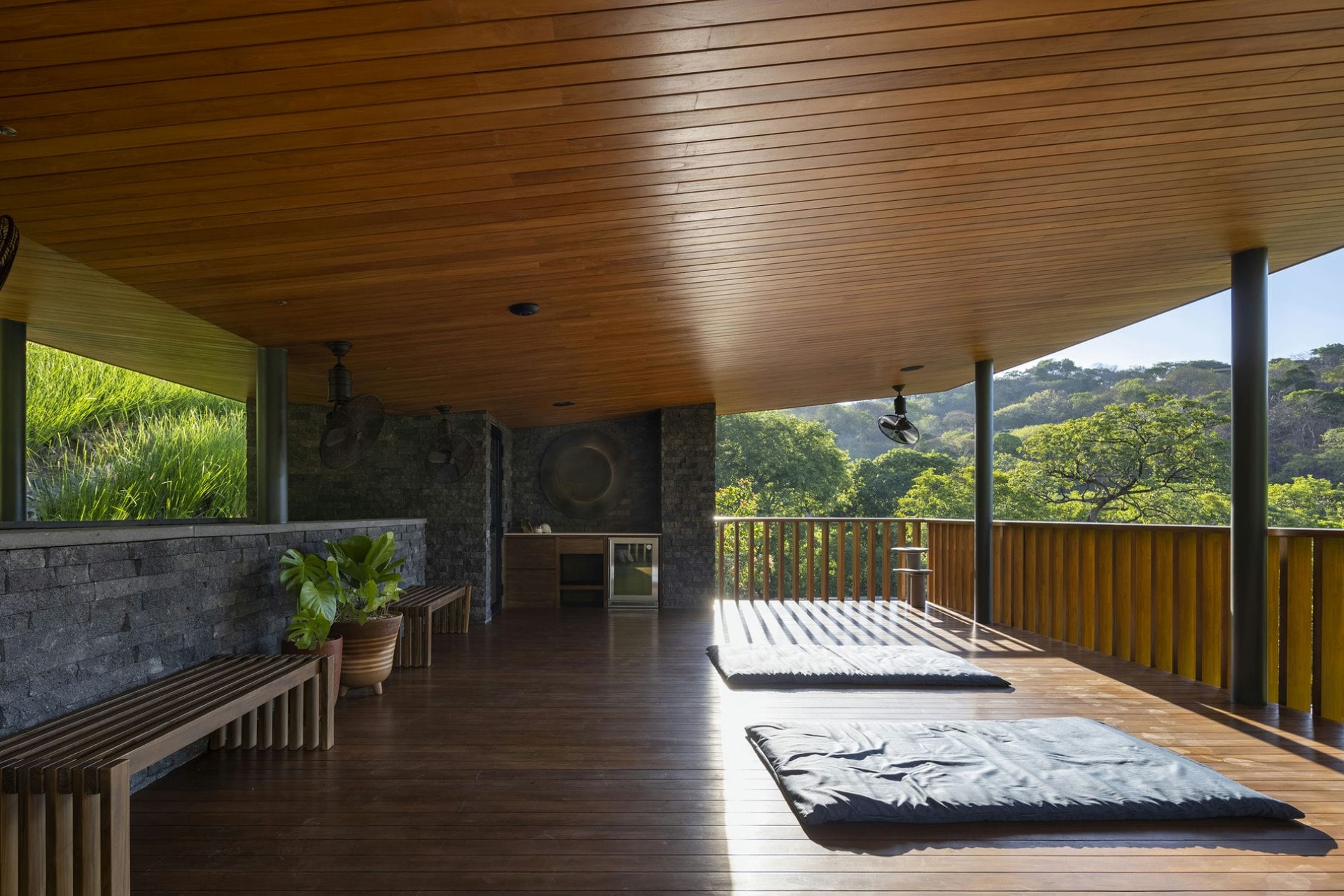
Arenal and Monteverde are the two most consistently requested inland experiences for things to do in Costa Rica, and they combine naturally into a two-night excursion from a Pacific-coast villa base.
Arenal is built for sensory contrast and high-energy days. The itinerary typically opens with a hanging-bridges walk through primary rainforest — toucans, morpho butterflies, and three species of monkey are routine sightings before 9:00 a.m. — escalates to a zip-line circuit above the canopy, and concludes in naturally heated thermal pools fed by the volcano’s geothermal system. Pools run around 40°C and operate after dark, making this one of the most atmospheric evening things to do in Costa Rica on any itinerary. Guests looking for higher stakes can add a rappelling descent of the 80-meter La Fortuna waterfall.
Monteverde operates at a slower, moodier frequency. The cloud forest here is mist-wreathed, bird-dense, and quieter than most Costa Rican parks. Resplendent quetzals are spotted with reasonable reliability between February and April; Monteverde’s canopy walkways were among the world’s first, and the infrastructure remains exceptional. A farm-to-table cheese tasting at the original cooperative dairy — a genuinely local, unhurried afternoon — rounds out the day in a way that few other things to do in Costa Rica can match.
One detail experienced travelers appreciate: the transfer between Arenal and Monteverde uses a scenic boat crossing of Lake Arenal rather than mountain roads. The forty-minute lake transit is, quietly, one of the more beautiful things to do in Costa Rica for guests who pay attention to the in-between moments.
Manuel Antonio and the Osa Peninsula: When Wildlife Becomes the Entire Point
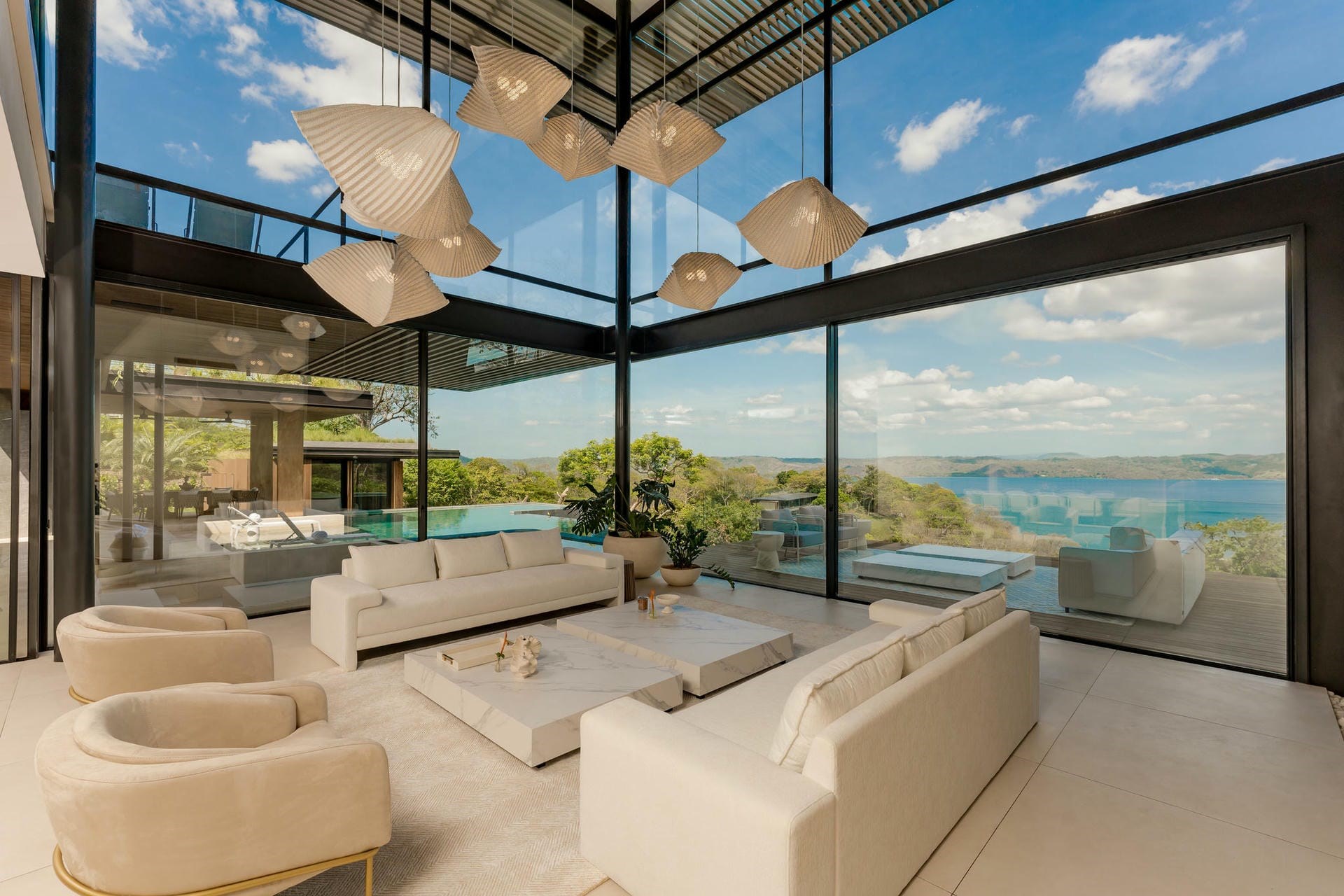
For guests whose primary motivation is extraordinary wildlife, things to do in Costa Rica reach their clearest expression at Manuel Antonio and the Osa Peninsula.
Manuel Antonio National Park is compact enough to cover in a well-paced half-day guided walk. White-faced capuchins, two- and three-toed sloths, squirrel monkeys (endemic to this specific stretch of coast), and basilisk lizards are reliably sighted within the first forty-five minutes. The park’s white-sand coves are clean enough for swimming directly after the walk. Haute Retreats recommends pairing a Manuel Antonio day with an afternoon at one of the most beautiful Costa Rica beaches in the area — particularly Playa Biesanz, which stays quiet even at peak season.
Corcovado on the Osa Peninsula is for guests who want things to do in Costa Rica scaled to genuine expedition. Government permit quotas limit daily visitors; certified naturalist guides are mandatory; the beach airstrip approach by charter plane is itself an arrival unlike any other. What that structure produces is extraordinary: tapirs walking the beach at dawn, all four Costa Rican monkey species in a single morning, scarlet macaws nesting openly in the canopy above, and the occasional puma track pressed into the wet sand. Caño Island, forty minutes offshore by boat, is one of the top dive sites in the Americas — visibility regularly exceeds twenty meters, and hammerhead sharks, bull sharks, and dolphins are common encounters.
For guests weighing the logistics, Haute Retreats’ detailed overview of wildlife encounters in Costa Rica clarifies what each zone realistically delivers season by season.
Surf, Wellness, and Barefoot Luxury in Santa Teresa and Nosara
Santa Teresa and Nosara provide a specific, very deliberate answer to what things to do in Costa Rica mean for wellness-focused and surf-oriented guests — and the pace is intentionally slower than anywhere else in the country.
Santa Teresa on the Nicoya Peninsula has one of the most consistent left-hand breaks in Central America. Morning surf lessons with private coaches — arranged through where to stay in Costa Rica for a luxury experience partners and concierge contacts — are among the top things to do in Costa Rica for guests of almost any skill level. Between sessions, the rhythm is açaí bowls, open-air yoga platforms facing the jungle, and long lunches at tables literally on the sand. Villas here tend toward barefoot-luxury architecture: teak floors, walls that dissolve into tropical gardens, and plunge pools hidden in heliconia and ginger.
Nosara is quieter still, better known for its established yoga community and the reliable right-hand point break at Playa Guiones. Bioluminescent kayaking after sunset — paddling through water that glows blue-green with each stroke — is among the most otherworldly things to do in Costa Rica, bookable as a private two-person experience from Nosara’s estuary. The Nicoya Peninsula is one of the world’s five certified Blue Zones, where an unusual concentration of long-lived locals has drawn longevity researchers for decades; wellness programming at the area’s retreat centers reflects that culture in genuinely thoughtful ways, well beyond standard resort spa offerings.
Things to Do in Costa Rica by Region
| Region | Best For | Key Experiences | Villa Style | Optimal Season |
|---|---|---|---|---|
| Papagayo / Guanacaste | Polished luxury + ocean sport | Fishing, sailing, golf, Rincón de la Vieja | Clifftop infinity-pool estates | Dec–Apr |
| Arenal / Monteverde | Volcano + cloud-forest immersion | Zip-line, hot springs, bridges, quetzal walks | Eco-lodge style or hillside retreats | Nov–Apr |
| Manuel Antonio | Accessible wildlife + beach | Sloth & monkey tours, snorkeling, beach days | Jungle-view hillside villas | Dec–Apr |
| Osa Peninsula | Elite expedition wildlife | Corcovado trek, Caño Island diving, tapir sightings | Remote eco-estates, charter access | Dec–Apr |
| Santa Teresa / Nosara | Surf + wellness | Surfing, yoga, bioluminescent kayaking, Blue Zone | Barefoot-luxury teak villas | Nov–Apr |
| Tortuguero | Canal wildlife + turtle nesting | Boat safaris, turtle watches, Caribbean cooking | Riverside jungle lodges | Jul–Oct |
Seasonal Timing: How the Calendar Shapes What You Can Do
Understanding the best time to go to Costa Rica is not a single-answer question, and Haute Retreats’ booking patterns illustrate why. Families almost always target mid-December through April for beach-certain days and school-calendar alignment — but those weeks are also when the most desirable villas are scarcest and most expensive. July and August offer a more nuanced picture: Guanacaste’s northern coast enters a micro-dry period driven by the Papagayo trade winds, keeping it largely sunny while the rest of the country turns vivid green, waterfalls surge, and national parks operate at a fraction of their peak-season visitor numbers.
For things to do in Costa Rica tied to specific wildlife calendars: humpback whale watching peaks August–October, when both the Northern and Southern Hemisphere whale populations overlap offshore — a globally rare phenomenon. Green turtle nesting at Tortuguero runs July–October. Quetzal sightings in Monteverde are most reliable February–April during the nesting season. Choosing the right window for the right experience transforms a good trip into an unforgettable one. For a deeper breakdown of the fun facts about Costa Rica that explain the country’s biodiversity and seasonal rhythms, Haute Retreats’ editorial guide covers the context in full.
Price Ranges and What Haute Retreats Guests Actually Receive
Knowing the real cost structure prevents the commonest source of disappointment in planning things to do in Costa Rica at the luxury level.
Private villa nightly rates in Haute Retreats’ Costa Rica collection range from approximately USD 1,500–2,500 per night for a three-bedroom Tamarindo villa with private pool and basic household staff, to USD 4,000–10,000+ per night for a fully staffed six-to-eight-bedroom estate in Papagayo with private chef, butler, daily housekeeping, and a dedicated concierge. Villa Puesta del Sol in Tamarindo — an architect-designed five-suite property with ocean views and chef service — represents the premium-transparent end of that range: inclusions are clear, and the nightly rate reflects a complete experience rather than a base rate with hidden service costs.
Guided experiences priced separately: a private half-day naturalist tour in Manuel Antonio typically costs USD 150–250 per person; a full Corcovado expedition with permit, guide, and boat transfer runs USD 300–500 per person. Deep-sea fishing charters in Papagayo start around USD 800–1,200 for a private half-day. Domestic charter flights between San José and the Osa Peninsula range from USD 500–900 per person one-way.
Critical questions before booking: whether the concierge fee covers tour bookings or charges a facilitation fee separately; whether private chef service includes food cost or labor only; and whether airport transfers from Liberia or San José are built into the villa rate.
Begin Planning with the Right Foundation
Costa Rica earns its reputation not because of a single landmark but because of the sheer density and variety of things to do in Costa Rica within a compact, navigable geography. From a Papagayo clifftop estate where your chef serves the morning’s catch beside the pool to a dawn Corcovado walk where tapir tracks cross the beach alongside your own, the range is genuinely extraordinary. The difference between a good trip and one guests describe for years is rarely the destination itself — it is the quality of the base, the intelligence of the itinerary, and the caliber of the people executing it.
Haute Retreats curates the villas, guides, and concierge infrastructure that make things to do in Costa Rica truly distinctive at the private-villa level. Explore the full collection of Costa Rica villas to begin your search, or request a tailored proposal from the team.