When Is the Best Time to Visit Croatia? Insider Tips from Haute Retreats

When is the ideal time to travel to Croatia? is the question that pops into your inbox on a gloomy Tuesday afternoon.
Immediately, you can picture it: the quiet of a pool that seems to pour into the Adriatic itself, the gentle thud of boat hulls in Hvar’s harbor, and late light on Dubrovnik’s walls. With a glass of crisp Pošip in hand, Croatia pulls you away from your screen and onto a sun-bleached terrace.
When is the ideal time to travel to Croatia, though, if you’re looking for a party that lasts until dawn on Hvar, warm seas off Brač, truffle-scented evenings in Istria, or deserted alleyways in Dubrovnik? One month or one season isn’t the solution. It’s about picking your Croatia and timing it appropriately.
Haute Retreats has witnessed visitors fall in love with the nation every month of the year as they curate stays at luxury villas along the Adriatic. This is your personal guide to choosing the ideal time to travel to Croatia.
The Short Answer: The Sweet Spots on the Adriatic
Let’s start with the headline you’ve been secretly searching for: late May to June and September to early October are the best overall windows for the majority of travelers. These months are ideal for the villa lifestyle because they combine warm, sunny days with swimmable seas, fewer crowds than July and August, and a slower pace.
But if you’re a fan of heat and energy, you might find that July and August are the ideal months to travel to Croatia because of their long, hot days, vibrant islands, festivals, and social marina scene.
For others, winter may be the ideal season to travel to Croatia, when the old town of Dubrovnik is illuminated by Christmas lights, the squares of Zagreb are lined with Advent stalls, and beaches are replaced by candlelit dinners and peaceful stone streets.
Consider Croatia as a year-round destination that changes with the seasons rather than a single season. The true question is, given your preferred mode of transportation, when would be the ideal time to visit Croatia?
Understanding Croatia’s Seasons: Coast vs Inland

Knowing that Croatia is divided into two regions—the continental interior and the Adriatic coast and islands—will help you determine the ideal time to travel there.
The coastal cities of Dubrovnik, Split, Hvar, Brač, and Korčula have a typical Mediterranean climate, with hot, dry summers and mild, wetter winters. Summertime highs are frequently in the high 20s to low 30s °C, and sea temperatures feel like silk against your skin.
The rhythm is more continental inland, in Zagreb or the region surrounding Plitvice Lakes, with warmer summers, colder winters, and more pronounced seasonal changes. For instance, Zagreb typically experiences temperatures between 5 and 12°C in November, whereas coastal cities may experience temperatures between 10 and 17°C.
So when you ask when is the best time to visit Croatia, you’re really asking two questions:
- When is the best time to visit Croatia’s coast and islands—for sun, sea, and slow mornings by your private pool?
- When is the best time to visit Croatia’s inland treasures—for lakes wreathed in mist, city cafés, and snow-dusted churches?
The magic lies in combining both.
Season by Season: When Is the Best Time to Visit Croatia?
Spring (March–May): Quiet Cities, Lush Landscapes

If you want to explore Dubrovnik’s city walls with more sky than selfie sticks, spring will almost certainly be the ideal time to travel to Croatia.
The nation is awake from March to May. Terraces are full but not overflowing. Days along the coast get progressively milder, frequently hitting the high teens and low 20s °C by May. Inland, Zagreb cafés overflow onto sidewalks, and the parks are framed by flowers.
National parks and sightseeing are at their best during this time. The trails are much less crowded than in the summer, and Plitvice Lakes and Krka are lush and full, wDubrovnikith waterfalls roaring. Pack layers because the sea is chilly rather than welcoming and evenings can still be chilly.
This shoulder season is the ideal time to visit Croatia, according to many tourists who are interested in the local way of life. During this time, you can return to a heated-pool villa for a private dinner prepared by a local chef, stand in a quiet cloister in Split, and hear church bells rather than tour groups.
Summer (June–August): High Heat, High Season
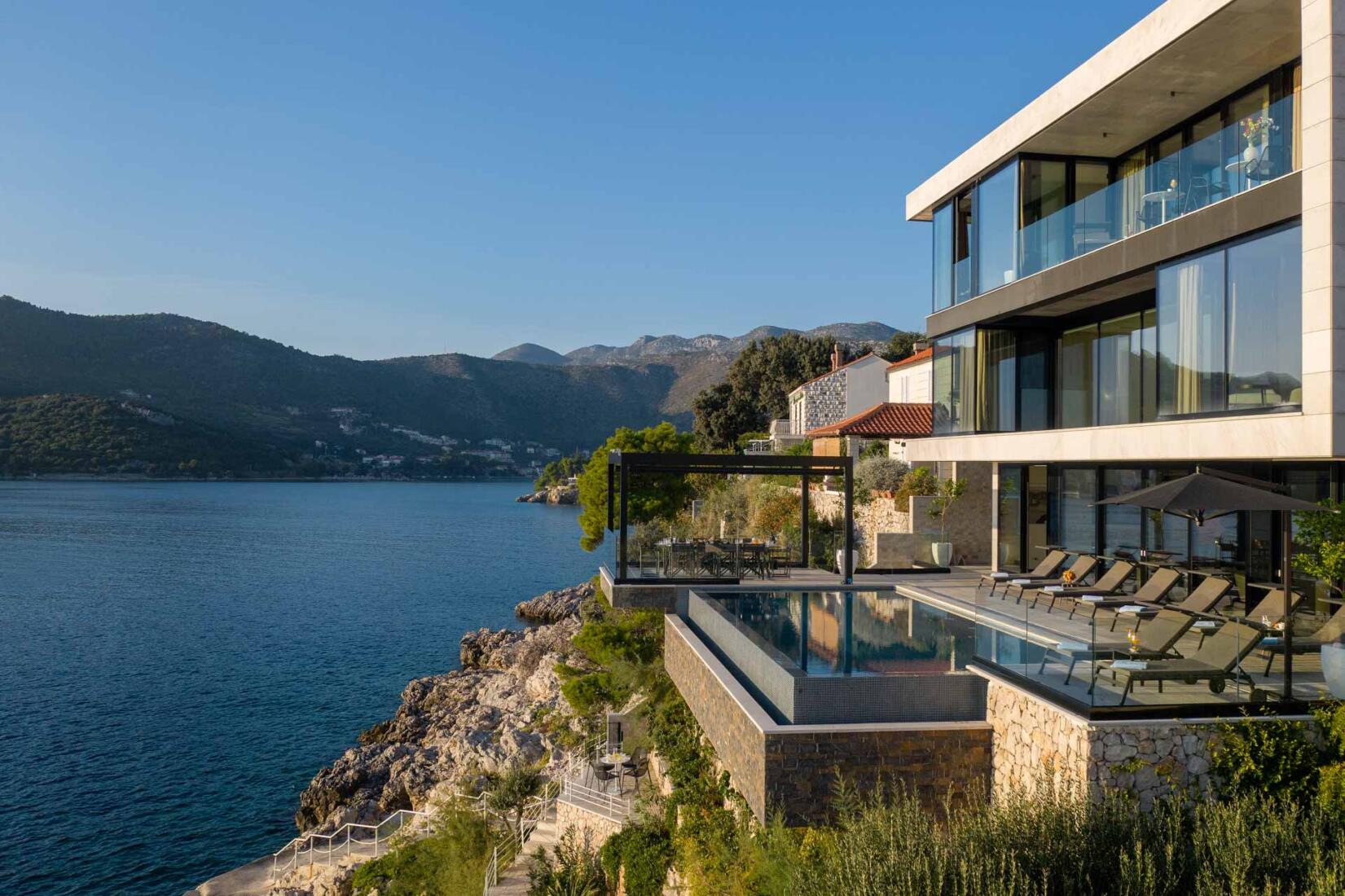
You’ll see why so many tour guides say that June is the ideal time to travel to Croatia: long days, seas that warm up to the mid-20s °C, and a low, golden light that illuminates every corner of the city. With average temperatures of about 25°C and up to 11 hours of sunshine per day, July is usually the hottest month on Hvar.
There is only Mediterranean theater in July and August. If you want to travel to Croatia, this is the ideal time of year:
- Hvar’s harbour thrumming with superyachts and cocktail bars.
- Late-night swims in villa infinity pools overlooking the Elaphite Islands.
- Beach clubs, music festivals, and busy marinas from Split to Brač.
The flip side? Heat and crowds. Narrow streets heat up, ferries can sell out, and the most coveted Haute Retreats villas—think Villa Pearl or Villa Dubrovnik, where pools blend into sea and sky—are booked many months in advance.
For travellers who thrive on energy and late nights, though, there is no question: high summer is when is the best time to visit Croatia.
Autumn (September–November): Warm Seas & Golden Evenings
When you ask a Croatian about the ideal time of year to travel to Croatia, they usually respond with one word: September.
It’s one of the best months to swim without the August heat because the air gets softer but the sea stays warm (about 23–24°C off Dubrovnik and Split). Evenings are delightfully cool, daytime highs frequently hover in the mid-20s °C, and the island pace slows to something that feels almost private once more.
If you’re thinking about staying at a villa for a long time with friends or family, September and early October are especially ideal. Imagine this as your own interpretation of the ideal time to travel to Croatia:
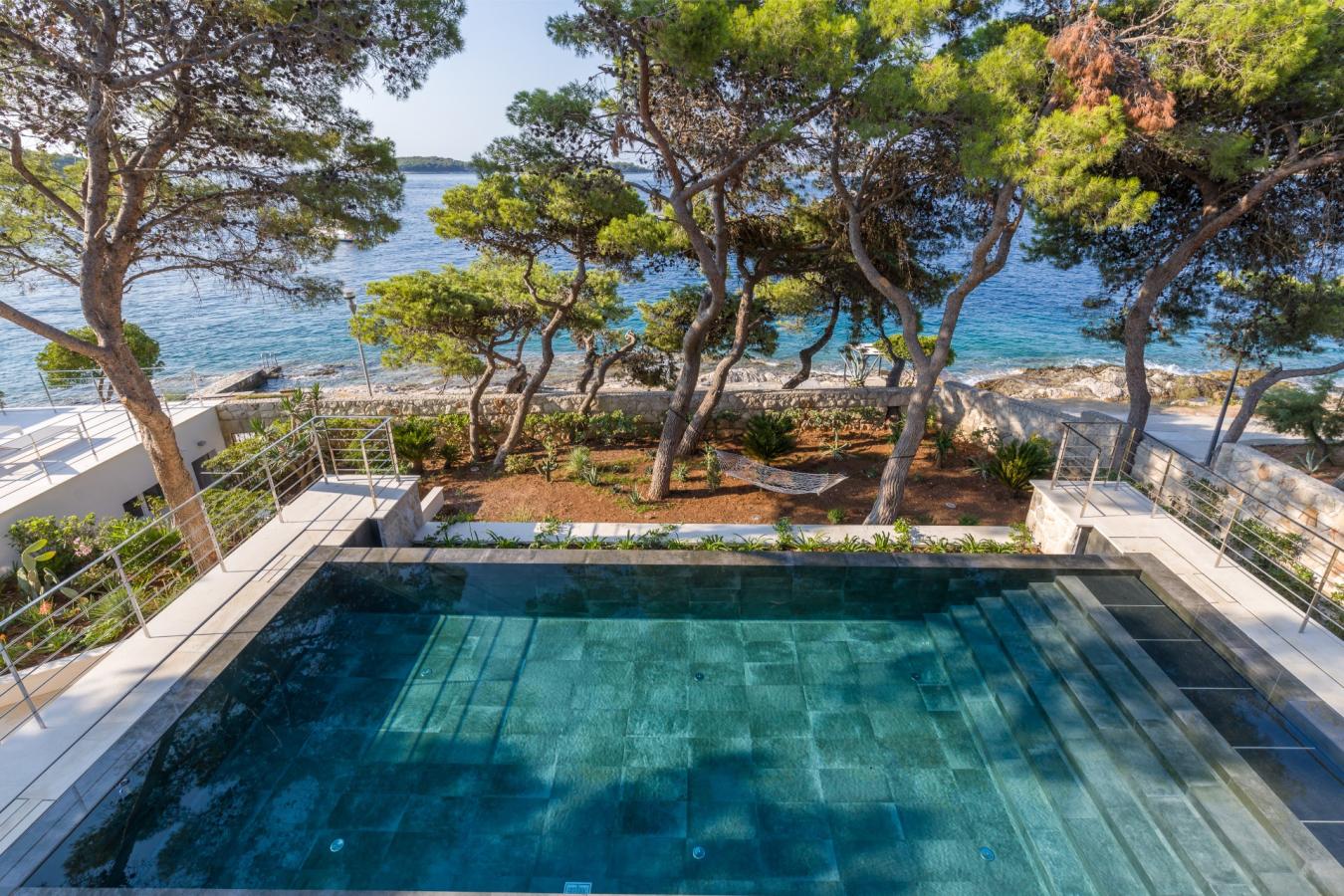
- Mornings by the pool at Aqua Vista in Hvar, steam rising from coffee cups as the harbour glitters below.
- Afternoons aboard a chartered boat, anchoring in bays that were crowded just a month before.
- Evenings where you can still dine outdoors in linen, not jumpers.
By late October and November, the coast cools and some island venues close, but this is harvest time. In Istria, white truffles come into peak season around October, and the whole peninsula leans into festivals and feasts.
If you’re asking when is the best time to visit Croatia for food and wine, the answer is unambiguous: autumn.
Winter (December–February): Firelight & Festive Cities
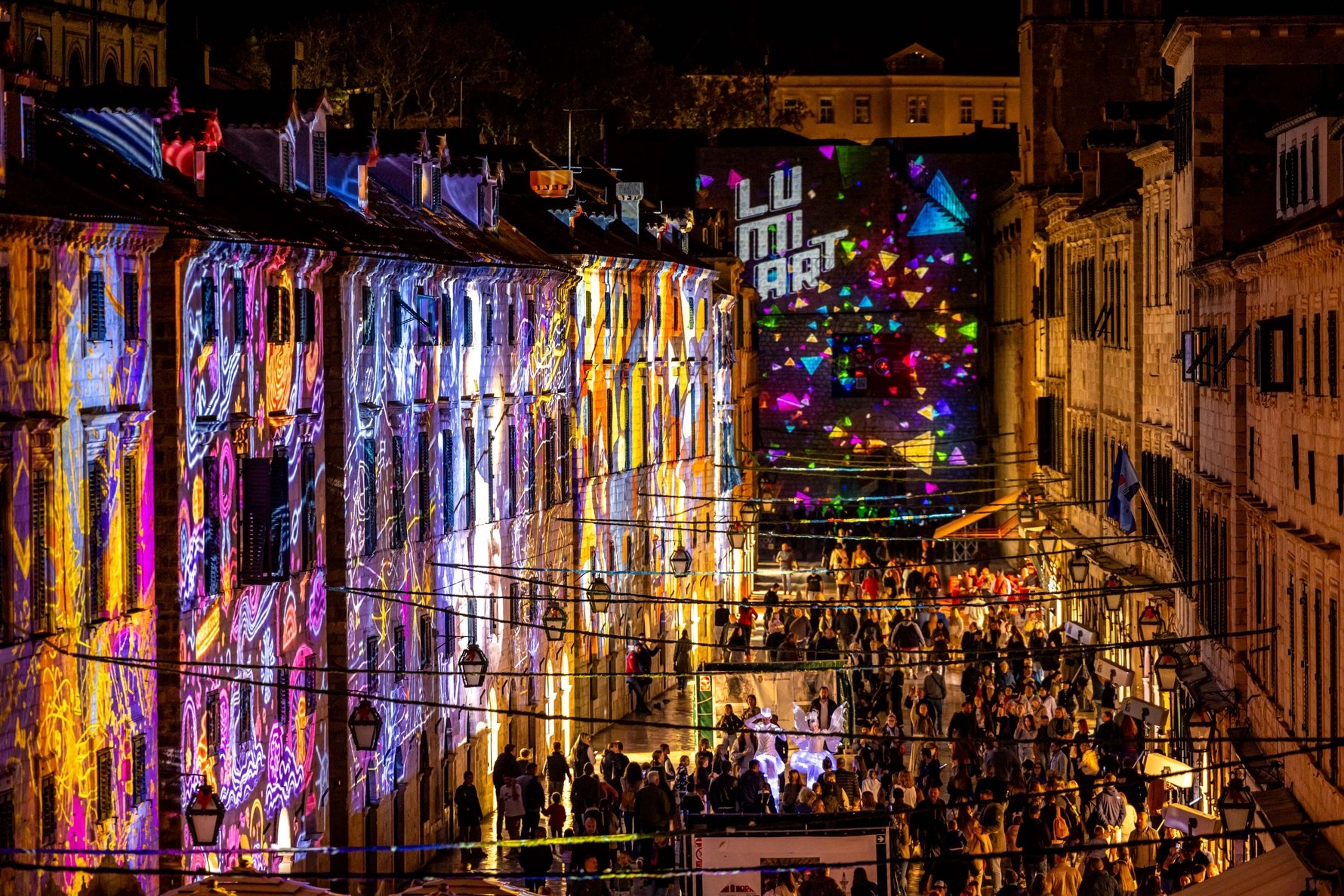
Winter is a season that seldom makes an appearance on Instagram, but it subtly addresses the question of when travelers who yearn for peace and quiet should visit Croatia.
Winters along the coast are typically cool rather than harsh (usually between 10 and 14°C in Dubrovnik and Split), with more rain, fewer tourists, and a closeness that summer hides. Zagreb’s inland temperatures can approach freezing, and its cool days are ideal for exploring museums and lounging in cafés.
Advent markets and festive lights are a feature of December. Dubrovnik’s old town appears almost theatrical under lanterns and garlands, and Zagreb’s Christmas market has earned a reputation as one of the most atmospheric in Europe.
If your idea of luxury is a peaceful coastal villa, a chef cooking regional seafood in a candlelit dining room, and day trips to deserted city streets you can explore at your own leisure, now is the ideal time to travel to Croatia.
By Travel Style: When Is the Best Time to Visit Croatia for You?
Beaches and Swimming
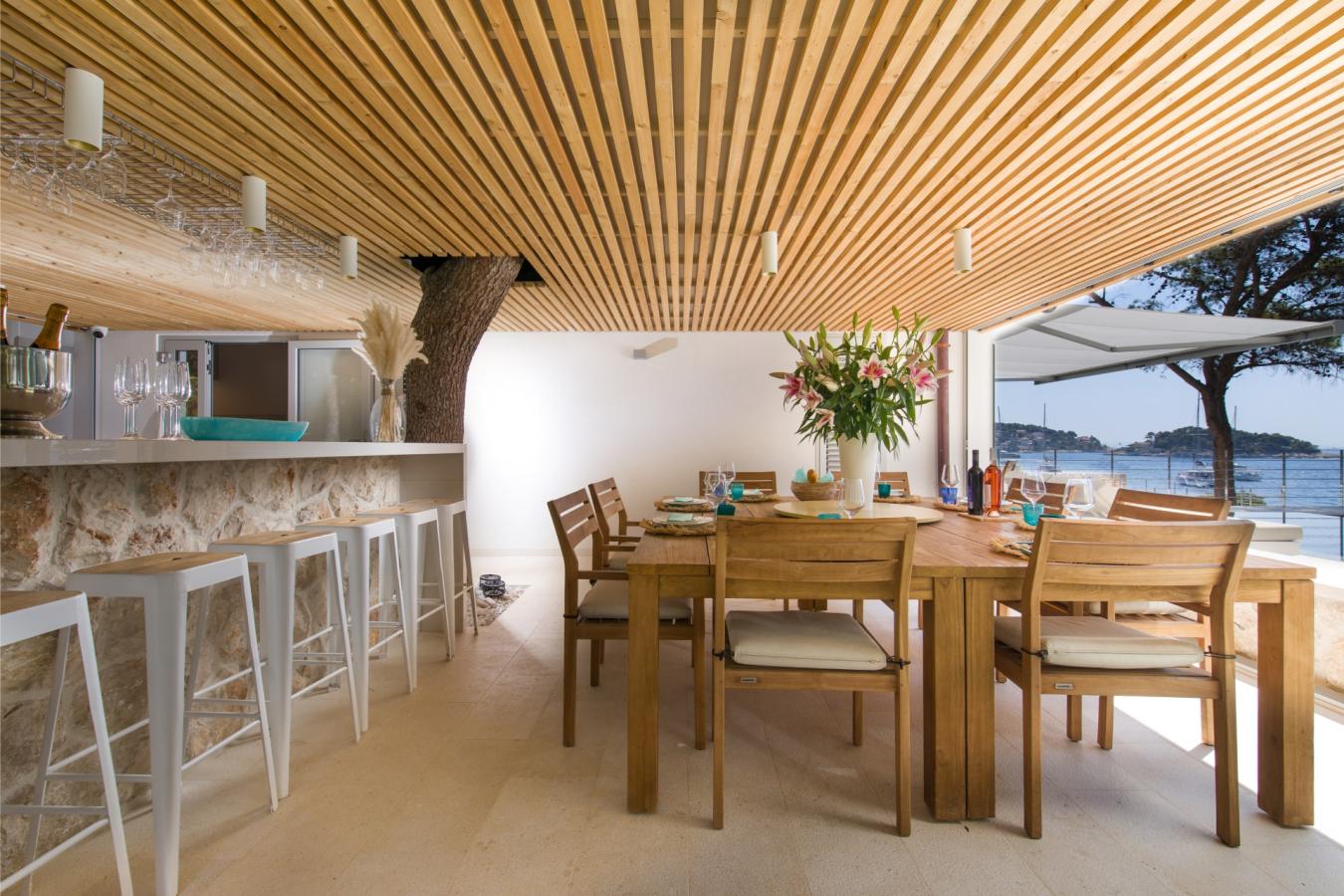
When is the ideal time to travel to Croatia becomes a surprisingly accurate question if your ideal vacation is determined by how the sea feels on your skin?
With peak sea temperatures in July and August and persistent warmth into September—typically between 23 and 25°C on the southern coast—look to late June to early September for consistent beach weather and warm water.
Choose:
- July–August for pure heat and maximum buzz.
- Late June or September if you want more space on the sand and around your villa pool, but still want the sea to feel like silk.
Island Hopping & Sailing
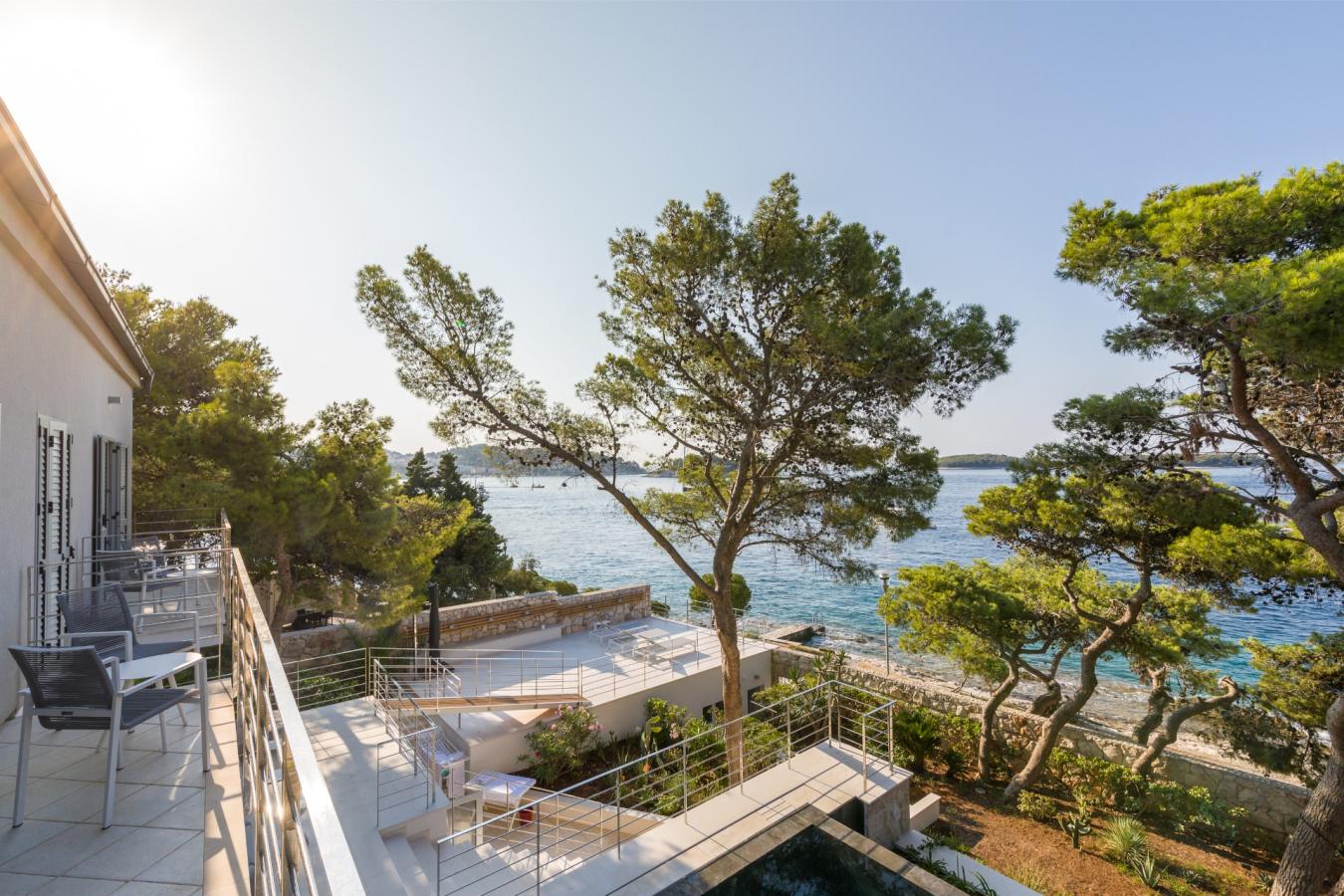
The ideal time to travel to Croatia for island hopping between Hvar, Brač, Vis, Korčula, and the Elaphite Islands depends on how energetic you are.
- June, July, August and early September bring the fullest ferry schedules and marinas in full swing.
- Many seasoned sailors quietly agree that June and September are the sweet spot: warm, steady, a little less frenetic.
Imagine waking up in a Haute Retreats villa in Hvar and seeing your private skipper waiting to take you off for the day as your yacht glides into view below. The ideal time to visit Croatia for this kind of trip is whenever you can find a harbor that is both long and sufficiently busy.
Culture, Cities & Sightseeing
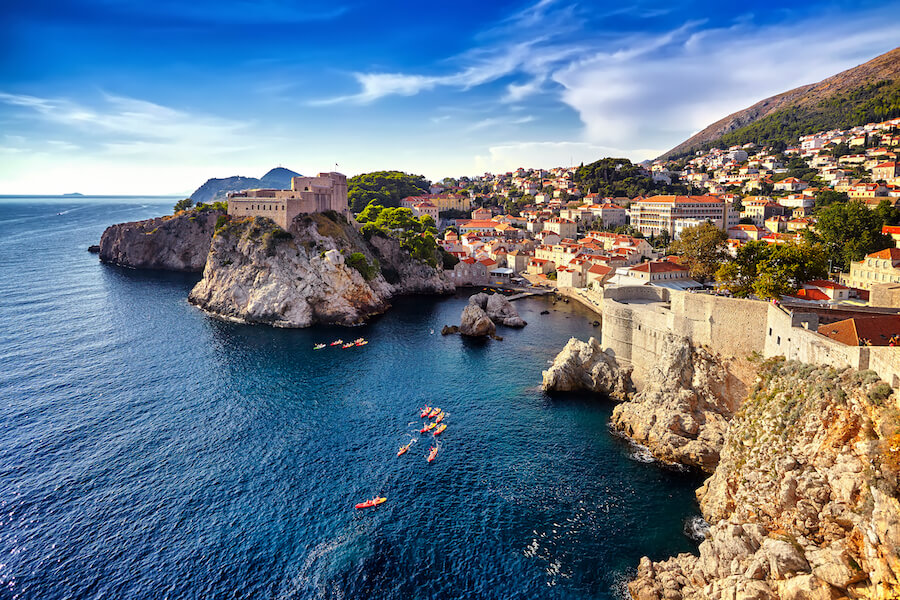
For the walls of Dubrovnik, the Diocletian Palace in Split, or the Austro-Hungarian façades of Zagreb, consider the ideal time to travel to Croatia if you prefer wearing a light jacket over a sunhat.
- April–June and September–October bring comfortable mid-teens to low-20s °C, making it far easier to stroll, climb, and explore for hours.
These shoulder seasons are ideal for pairing a city-break villa—say, a contemporary property near Dubrovnik’s old town—with day trips to islands and wine country.
Food & Wine
If your stomach decides when is the best time to visit Croatia, there are two golden windows:
- Late spring (May–June): fresh produce, olive oils, lighter seafood dishes, long lunches on terraces.
- Autumn (September–November): Istrian truffles, grape harvests, new vintages being poured in stone-walled wineries.
Base yourself in an Istrian estate villa and let truffle hunters lead you through forests before returning to a chef-prepared dinner by the fire. For gourmets, this is unequivocally when is the best time to visit Croatia.
By Region: Matching Your Month to Your Map
Dubrovnik & the Southern Coast
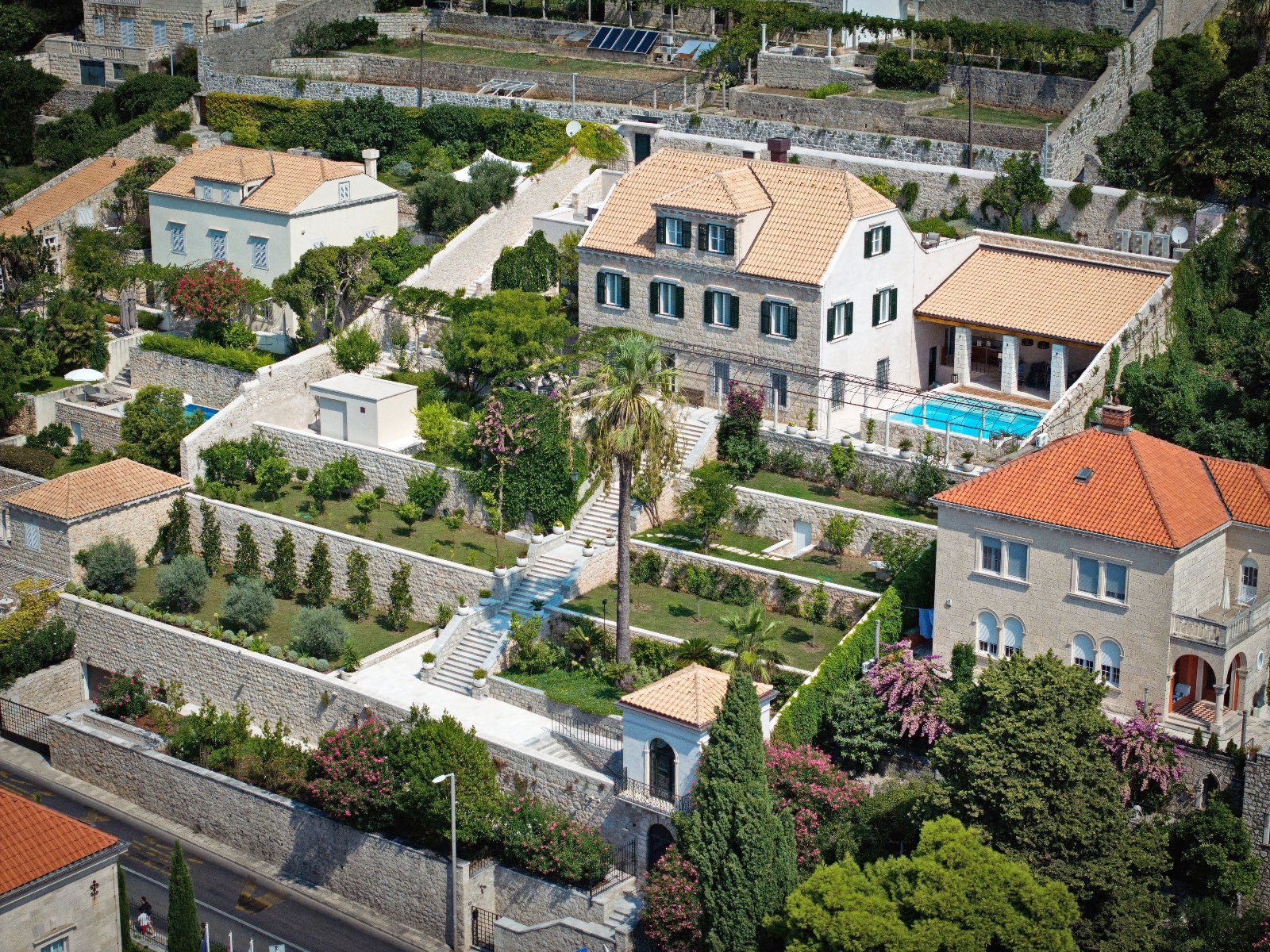
May–June and September–early October are the ideal times to visit Croatia if you want to see the old town at its most atmospheric without being overrun. The evenings are ideal for dinner on a terrace just outside the city walls, the days are warm, and the seas are swimmable.
In contrast, July and August are ideal for travelers who wish to enter a scene right out of a sun lounger. Now is the ideal time to reserve villas from Haute Retreats, such as Villa Bloom or Villa My Place, which have private pools, views of the sea, and easy access to Dubrovnik’s old town when you want to take in the atmosphere and then leave.
Split, Brač, Hvar & Central Dalmatia

Many visitors find their own solution to the question of when is the ideal time to travel to Croatia in Central Dalmatia.
With ferries spreading out to a constellation of islands, Split is bustling nearly all year round. In particular, Hvar comes to represent glitz and long summer evenings. This is the ideal time of year for villas by the sea, with average highs of 25 to 28°C in July and August and sea temperatures of 25°C.
June and September in Hvar are exceptional for a more restrained luxury: quiet in the coves where Haute Retreats villas like Aqua Vista, Bayside, or Villa Sunset Hvar look directly out to sea, with just enough activity in town to make it feel like summer.
When you can sit on your terrace and watch the last boats return home, that may be the best time to visit Croatia.
Istria & Kvarner

For tourists who prefer food, wine, and rolling scenery over beach clubs, Istria provides an answer to the question of when is the ideal time to visit Croatia.
Although the peninsula is beautiful in late spring, it really comes to life in the fall. Festivals, foraging excursions, and menus that seem to float on a cloud of earthy perfume are all part of the truffle season, which runs from September to mid-December.
Set up shop in a modern villa or stone farmhouse close to Rovinj or Motovun, and spend your days exploring coastal drives, olive groves, and vineyards. Fall is unquestionably the ideal season to visit Croatia because of its slower pace and more delicious cuisine.
Zagreb & Plitvice Lakes
If you’re building a trip that starts or ends in Zagreb, or you’re keen on Plitvice Lakes and Krka National Park, your version of when is the best time to visit Croatia will probably be spring or autumn.
- April–June: waterfalls at their most dramatic, trails carpeted in green, comfortable temperatures for walking.
- September–October: autumn colours reflecting in the lakes, fewer summer day-trippers.
Winter adds another option: snow and ice lend Plitvice a fairy-tale atmosphere, though access can be more limited—perfect for travellers who define when is the best time to visit Croatia as the moment when iconic sights belong almost entirely to them.
When to Book Your Villa: Timing Your Stay to Perfection

The next question is when to make reservations after you’ve determined the ideal time for you to travel to Croatia.
The best villas in Croatia, particularly those by the sea near Dubrovnik, Hvar, and Brač, are reserved nine to twelve months in advance for peak summer (late June to August), especially for prime weeks and larger groups, according to Haute Retreats.
You’ll typically find more flexibility, better value, and equal beauty during shoulder seasons (May–mid June, September, and early October). After one trip during the peak season, many of our visitors discreetly decide that these months are the ideal times to travel to Croatia.
For extended stays, remote work getaways, and tourists who wish to feel as though they own the coast, the low season, which runs from November to March, is perfect. Here, Haute Retreats can frequently customize stays more precisely, setting up in-villa spa services, private chefs, and carefully planned day trips to fit the slower pace of the season.
Bringing It Together: Choosing Your Croatia
So, after all this—when is the best time to visit Croatia?
- If you want heat, nightlife, and a social marina scene: July–August.
- If you want warm seas and fewer crowds: late May–June, September–early October.
- If you want gastronomy and harvest: September–November in Istria and Dalmatia.
- If you want quiet cities and festive charm: December, for Zagreb and Dubrovnik dressed for Advent.
When is the ideal time to travel to Croatia? There isn’t a single, accepted answer. The villa, island, and itinerary that make your response come to life are the only things that exist.
When you ask Haute Retreats what time of year is ideal for traveling to Croatia, we’ll match you with a carefully chosen Croatian villa and a series of experiences that are tailored to your preferences. Clifftop infinity pools, private boat excursions, truffle-hunting in fall forests, or winter nights when the sea beneath your terrace is the only sound.
Croatia will be prepared for your arrival. Which version of Croatia you want to meet first is the actual choice.