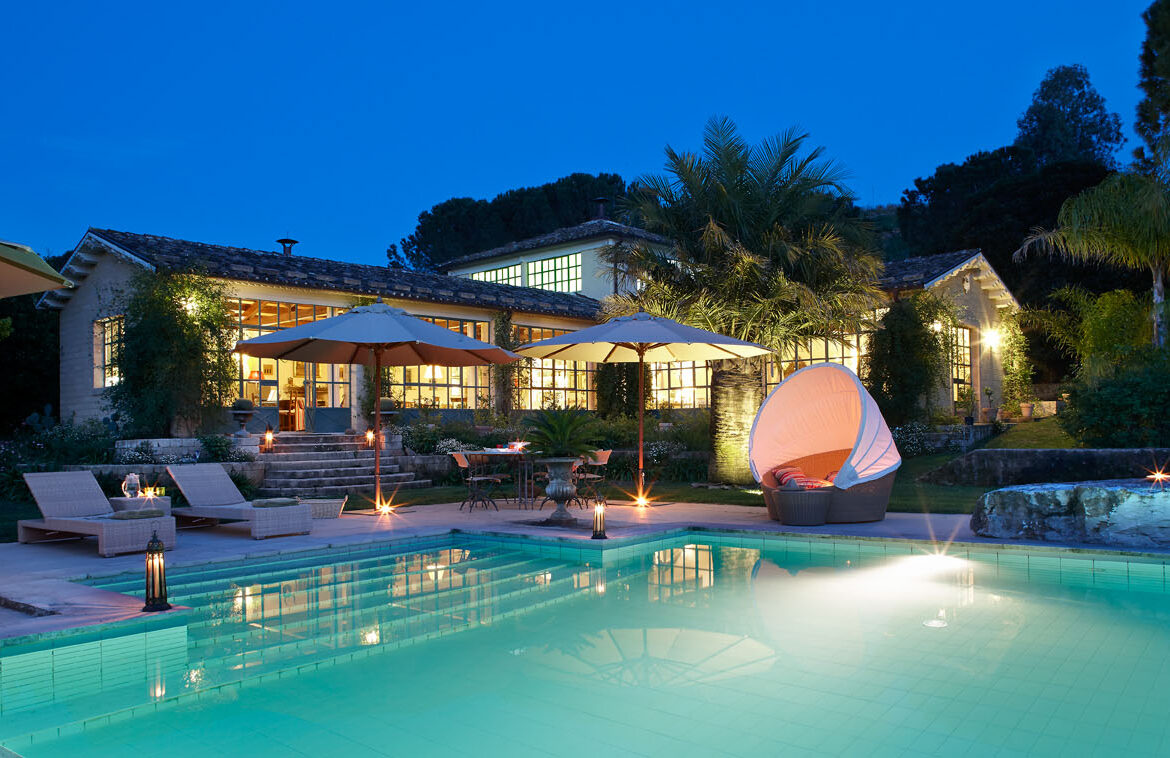

Everyone books the view. What they remember is the kitchen. A villa in Sicily with pool and a chef in the house is the one arrangement on this island where the two things stop competing — where the terrace you swam from at noon becomes the table you eat at for five hours, and nobody has to drive anywhere to make it happen. This is what that actually looks like, hour by hour, in September.
Why Sicily’s kitchen matters more than anywhere else in Italy
Sicily is the only part of Italy where three empires left their cooking behind and none of them won. The Arabs brought almonds, citrus, saffron, sugar and the habit of sweetening savoury things. The Spanish brought tomatoes and chocolate. The Greeks were there first with olives, wheat and wine, and they never left. What a Sicilian chef puts on your table is not regional Italian food with a local accent — it is a separate cuisine that happens to share a language.
Which is why the single most valuable thing in a Sicilian villa is not the infinity edge. It is the person who knows that the swordfish at Ortigia market comes in before seven, that the last of the summer tomatoes in September are the ones worth buying, and that the almonds from Noto are not interchangeable with anyone else’s.
Six in the morning — provisioning for twenty
05:45 The chef leaves before the household wakes. If the villa is in the south-east, that means Ortigia’s market on Siracusa’s island — two streets of fishmongers, cheese stalls and vegetable crates that begin trading at dawn and are picked over by nine. This is not a photo opportunity. The good swordfish is gone in forty minutes.
07:30 Back at the house with crates in the boot: tomatoes, wild fennel, a wheel of ragusano, almonds, ricotta made that morning, and whatever the boats brought in. Breakfast is already on the terrace — blood-orange juice, granita, cornetti, the cheese from yesterday.
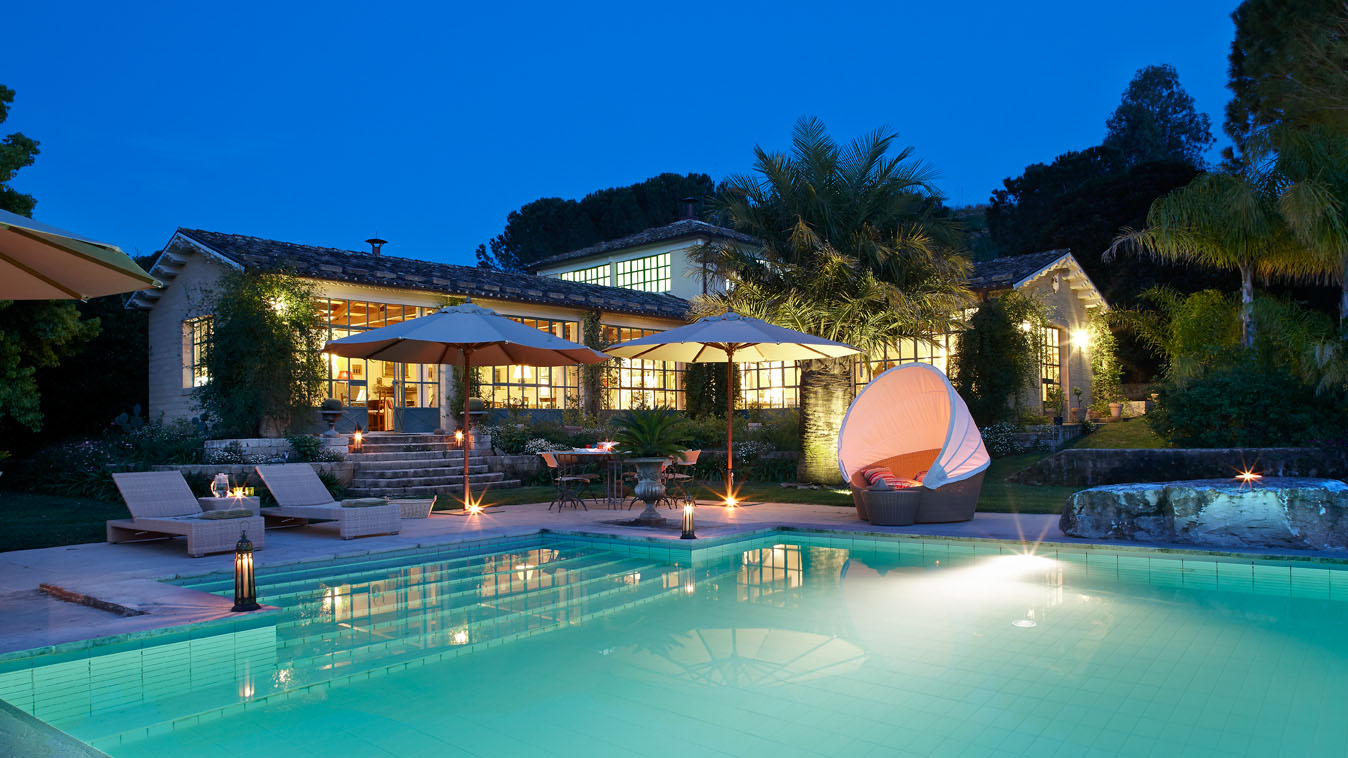
13:00 Lunch is the meal that defines the day, and in a staffed house it arrives in courses that nobody announced: caponata, the fish grilled whole, pasta with the tomatoes from the market, bread, wine, and an hour of nobody moving. This is the point of the pool being ten feet away. You eat, you swim, you go back to the table.
Evening — the wines from Etna
Sicily’s serious wine now comes from the volcano. Etna’s north face — Randazzo, Passopisciaro, Castiglione — grows Nerello Mascalese on black volcanic sand at 600 to 1,000 metres, and the results taste closer to Burgundy than to anything else in the south: pale, mineral, cool. The whites from Carricante do the same thing in reverse, all salt and citrus.
A good household keeps six or eight of them in the house and a chef who can tell you why the one from 900 metres tastes different from the one from 600. Two hours from most south-east villas, the estates receive by appointment — our concierge arranges the tastings, and the driver means nobody has to decide who is staying sober.
What the household does between meals
The chef is the visible part. In a fully staffed Sicilian villa the rest of it runs in the gaps: the housekeeper who turns the rooms while everyone is at the beach, the pool maintained before anyone is awake, the driver who does the school-run logic of a large group wanting three different things, and the villa manager who booked the restaurant you decided on at noon for a table at eight.
The distinction worth understanding before you book is between a fully staffed house — where the chef, housekeeping and often a manager are included in the rate — and a villa in Sicily with pool where those services are arranged on request and billed separately. Both are good; they are different holidays, and different budgets. Our fully staffed collection is where the first kind lives.
Three kitchens from the collection
One for each of the island’s three bases — the baroque south-east, the Etna side, and the Taormina coast.
The house to take if the market run matters — close enough to Ortigia that the chef is back before breakfast, with the room to seat a party of eighteen and a kitchen built for it. Noto and the Vendicari reserve are both short drives.
View Villa Siracusa ›The easiest arrival in Sicily: wheels down at Catania and in the pool inside half an hour, which for a family with small children is the whole argument. It is also the best base for the Etna wine day, being on the right side of the mountain.
View Aranjaya ›For the group that wants restaurants, the Greek theatre and a town to walk into after dinner, with the volcano behind it. The chef here shops Giardini rather than Ortigia — different fish, same principle.
View Villa Naxos ›- Which airport
- Catania (CTA) for everything in this article — Siracusa, Ortigia, Noto, Vendicari, Aranjaya, Taormina and Naxos. Palermo (PMO) serves the west. Landing at the wrong one costs about three hours on the autostrada, and it is the single most common planning error we correct.
- When to come
- September is the island at its best: the sea is still 25°C, the grape and almond harvests are in, and the August crowds have gone. October stays warm and quiet through the month. Most staffed houses close from November to March, so the season is genuinely finite.
- How chef service is priced
- Either included in the nightly rate (fully staffed houses) or arranged on request at a daily rate. In both cases provisioning is billed at cost — you pay for what the chef buys, with the receipts. Every quote we send states which model applies before you commit.
- How far ahead
- Six to nine months for July and August. Three to four for September and October, which is why late bookings for this month are still possible. Christmas and New Year are not a Sicilian season.
Questions we get asked
Does a private chef come with the villa?
In our fully staffed Sicilian houses, yes — the chef, housekeeping and usually a villa manager are included in the rate. In others the chef is arranged on request at a daily rate. Which model applies is stated in writing in every quote before you book, because it changes the number substantially.
How much does a private chef cost?
Where it is not included, expect a daily rate for the chef plus provisioning at cost. The pattern most groups settle into is breakfast and one main meal cooked in the house, with two or three restaurant dinners across the week — which is cheaper than full board and gives you Ortigia and Taormina in the evenings.
Can the chef cook for dietary requirements?
Yes, and tell us early rather than on arrival. Sicilian cooking is naturally generous to vegetarians and pescatarians; gluten-free and allergy cooking is entirely routine but affects the morning shop, so the chef wants to know before the market, not after.
Is September a good time to go?
It is arguably the best. The sea holds its summer temperature, the harvests are happening, the light is better than August, and the crowds have thinned. The one caveat is that some coastal restaurants begin closing in the last week of October.
Which part of Sicily should we choose?
The baroque south-east (Siracusa, Ortigia, Noto, Vendicari) for food, markets and quiet beaches. The Catania side for the shortest transfer and Etna. Taormina for a town with restaurants and a theatre you can walk to. The west, around Palermo and Trapani, is a different trip again — and a different airport.
Can you arrange the Etna wine estates?
Yes. The good producers on the north face receive by appointment only, and a driver is essential unless one of you is happy to taste nothing. Our concierge books the estates, the driver and the lunch in between before you arrive.
Every villa in Sicily with pool in the collection sits on the Sicily villa rentals hub — and if the kitchen is the point of the trip rather than a detail of it, start with the fully staffed houses and work outwards from there.
Dates, party size, and whether you want the chef every day or three times a week. A Sicily specialist will send a shortlist with the staffing model priced in, within 24 hours.