What Is Sargassum And Should It Change How You Plan Your Caribbean Villa Stay?
What is Sargassum? Sargassum is a free-floating brown seaweed genus native to the Atlantic Ocean that has washed onto Caribbean and Gulf of Mexico shorelines in record volumes since 2011. In January 2026, the Atlantic sargassum belt was estimated at 1.7 million metric tons — up from 450,000 metric tons just one month earlier (CariCOOS, 2026). Understanding what sargassum is, where it peaks, and which islands consistently avoid heavy accumulation is now an essential step in planning any beachfront villa stay. The right island, the right coast, and the right booking window remain the most reliable tools a luxury traveler has.
Key Takeaways
- Turks and Caicos’ Grace Bay consistently records lower sargassum accumulations than most eastern Caribbean and Mexican coasts, making it one of the most dependable year-round choices for pristine beach access.
- Peak arrival windows fall broadly between April and October, with July and August seeing the heaviest Atlantic-side deposits — a timing overlap with peak summer travel demand that makes pre-booking concierge advice essential.
- Decomposing sargassum releases hydrogen sulfide gas, producing a sulfur-like odor detectable within 50–100 meters of large beach accumulations; villa position relative to prevailing winds, not just shoreline proximity, determines how much guests notice it.
- Leeward (western) coastlines on islands otherwise affected by sargassum — Barbados’s west shore being the clearest example — frequently remain clear while Atlantic-facing beaches on the same island are heavily blanketed.
What Luxury Guests Actually Experience with Sargassum
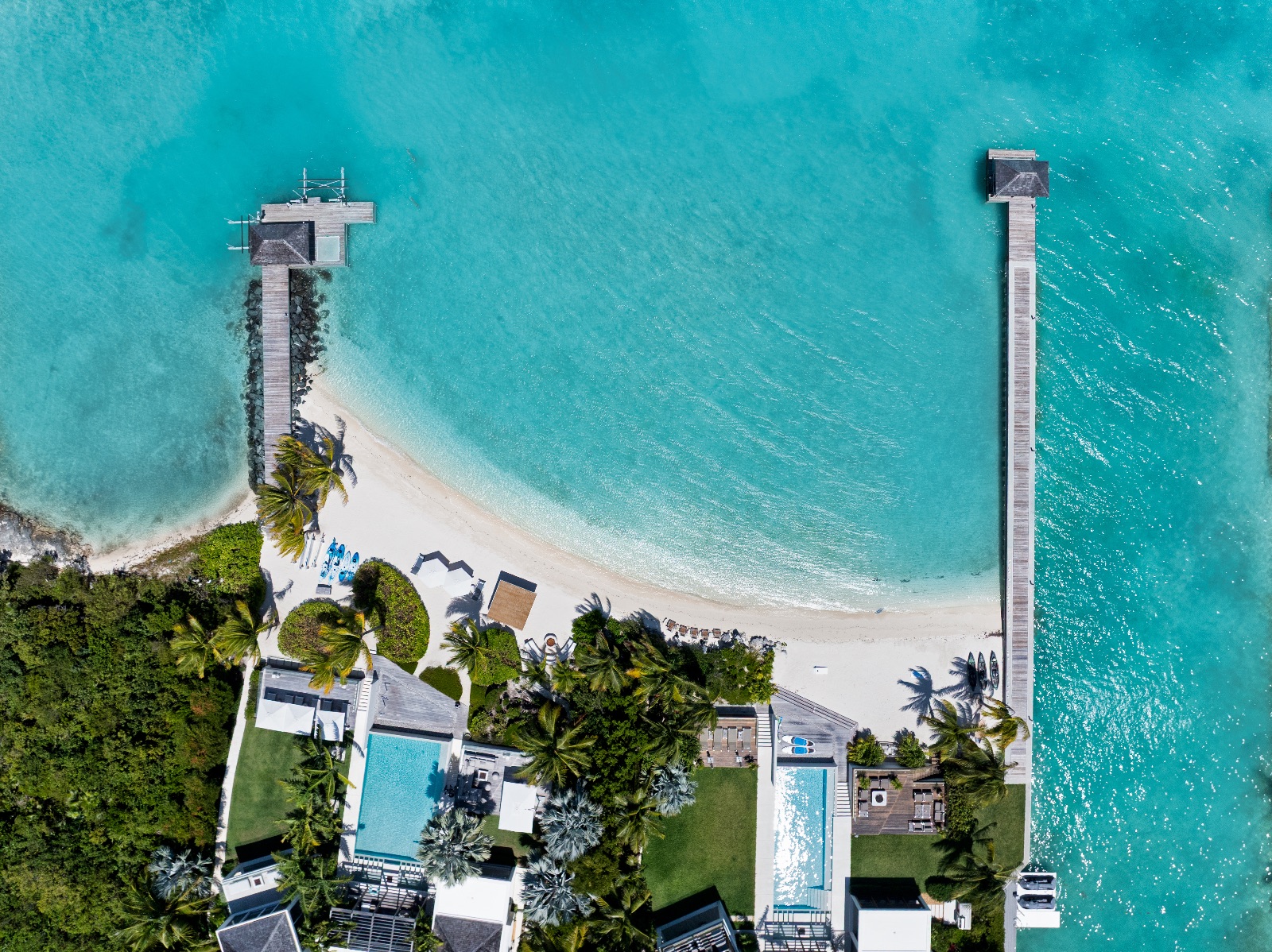
The most consistent question Haute Retreats specialists field from Caribbean villa inquiries isn’t about pool dimensions or staffing ratios. It’s simpler: “What is sargassum, and will it be on my beach?” That question has become one of the most consequential variables in a Caribbean holiday — not because sargassum makes travel impossible, but because its arrival is patchy, seasonal, and profoundly island-dependent.
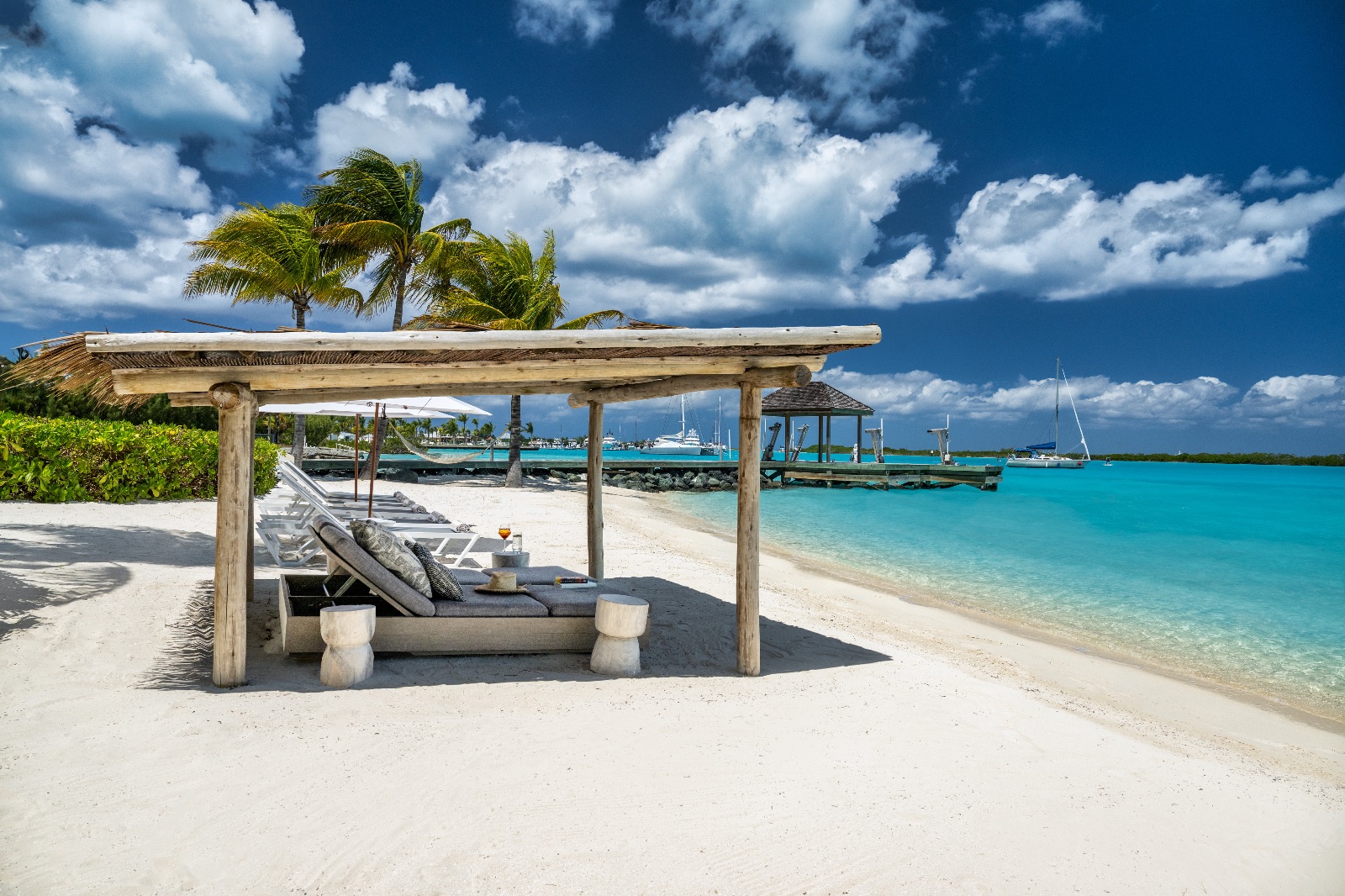
Guests who’ve stayed at Grace Bay properties in Turks and Caicos routinely describe mornings of flawless white sand and water so clear it seems backlit. Families who booked Atlantic-facing villas in Barbados during August have described beaches that were pristine at sunrise and covered in dense brown mats by midday. The difference between those two experiences is not luck — it’s geography, timing, and informed property selection.
What Is Sargassum? The Science Behind the Seaweed
Sargassum is a genus of brown, free-floating macro-algae. Two species Sargassum fluitans and Sargassum natans form the Great Atlantic Sargassum Belt, a floating mass that stretches from the West African coastline to the Gulf of Mexico, covering millions of square miles at its peak.
Unlike coastal seaweeds anchored to the ocean floor, sargassum drifts freely on the surface, forming dense mats that can extend for hundreds of miles. In the open Atlantic, sargassum plays a productive ecological role: its tangled structure provides habitat and nursery cover for more than 100 marine species, including sea turtles, flying fish, and juvenile mahi-mahi (Smithsonian Ocean, 2023). The problem is not sargassum at sea it is what happens when massive volumes of it reach shallow water and beach.
When sargassum reaches the shoreline and begins to decompose, it releases hydrogen sulfide the same compound responsible for the smell near sulfur springs. In large concentrations, decomposing sargassum also temporarily clouds nearshore water, stains sand brown, and raises beach surface temperature. What is sargassum’s broader environmental impact? Researchers are still measuring it, but the consensus is clear: sargassum in the open ocean is an asset; sargassum arriving en masse on tourist beaches is a significant disruption (Nature, 2023).
The dramatic increase in sargassum volume since 2011 is primarily linked to elevated nitrogen runoff from South American river systems particularly the Amazon and rising Atlantic sea temperatures that accelerate algae growth rates. The University of South Florida Optical Oceanography Lab recorded the Atlantic sargassum belt at over 35 million metric tons in 2024 the largest accumulation on record. For Caribbean planning purposes, sargassum is now a structural feature of the region’s oceanography, not an anomaly.
Where Sargassum Hits Hardest and the Islands That Stay Cleaner
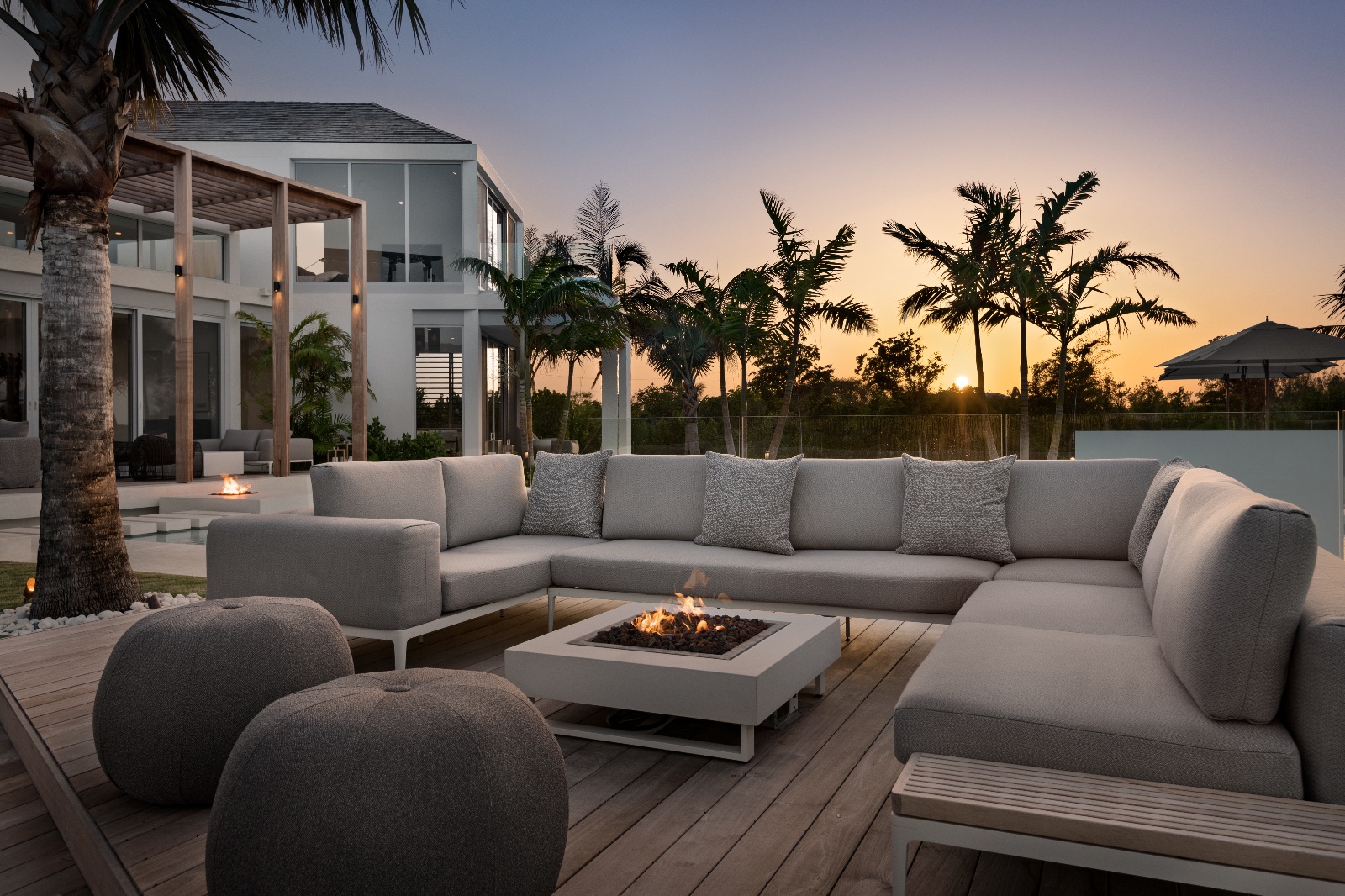
Sargassum does not affect the Caribbean uniformly. Ocean current patterns, prevailing trade winds, and each island’s geographic orientation determine where sargassum accumulates heavily and where it largely passes by.
Consistently high-impact coasts:
- Mexico’s Riviera Maya (Tulum, Playa del Carmen): Heavy and well-documented sargassum arrivals from May through September. Daily mechanical beach clearing now operates at most managed properties, with highly variable results. Villa guests here need dedicated beach management on-site — not just resort-level operations a short walk away.
- Barbados (east and northeast coast): Directly Atlantic-facing and among the most affected shores in the region, particularly June through October. West-coast Barbados, sheltered by the Caribbean Sea, tells an entirely different story.
- Dominican Republic (northeast shore, Samaná): Sargassum arrivals June to September can be severe. Properties on the leeward north coast and interior coastal positions fare better.
- Lesser Antilles windward coasts (Martinique, Guadeloupe, Barbuda): Exposed to full Atlantic drift from the east; sargassum accumulation peaks align with Caribbean-wide seasonal patterns.
Lower-impact destinations:
- Turks and Caicos (Grace Bay, Providenciales): Leeward geography provides meaningful protection. Grace Bay records significantly lower sargassum accumulation than Atlantic-exposed coasts on the same latitude. Widely regarded as the most reliable year-round choice for beach-focused stays among Haute Retreats’ Caribbean guests.
- St. Barts: Island geography and swift local currents keep beaches cleaner than regional averages for most of the year. Some northern coves see occasional deposits in July and August.
- Anguilla: Generally lower sargassum incidence than windward neighbours, with northward currents delivering only sporadic summer deposits. A strong leeward option, particularly in spring.
- Cayman Islands: Western Caribbean positioning places them largely outside dominant sargassum drift patterns year-round.
The practical implication for any villa inquiry: in sargassum terms, choosing the right island for a July booking is more consequential than selecting the right villa on the wrong island.
| Destination | Sargassum Risk Level | Peak Season | Coast Most Affected | Haute Retreats Planning Note |
|---|---|---|---|---|
| Turks & Caicos | Low–Moderate | Jul–Sept | Minimal on Grace Bay | Top year-round choice |
| Barbados (east) | High | Jun–Oct | Atlantic shore: heavy | West-coast villas only |
| Riviera Maya | High (seasonal) | May–Sept | Full coast exposure | Daily management essential |
| St. Barts | Low–Moderate | Jul–Aug | Northern coves | Generally strong option |
| Anguilla | Low–Moderate | Jul–Sept | North coast pockets | Excellent spring window |
| Dominican Republic | Moderate–High | Jun–Sept | Northeast shore | Leeward-positioned estates preferred |
| Cayman Islands | Low | Year-round | Minimal | Reliable choice for summer travel |
When Sargassum Peaks — Month-by-Month for Caribbean Planners
Sargassum accumulation follows a seasonal pattern that any well-planned villa stay should account for. Annual volumes vary, but the broad calendar is consistent:
- January–March: The most reliably low-sargassum window across most Caribbean destinations. Water clarity is typically at its best, and Atlantic-facing beaches that are unpleasant in August can be spectacular in February.
- April–May: The Great Atlantic Sargassum Belt begins expanding with warming temperatures. Sargassum arrivals on eastern-facing shores may begin appearing by late April, particularly in Mexico and the Lesser Antilles.
- June–September: Peak sargassum season. Atlantic-facing coasts face the most frequent and heaviest arrivals. This also overlaps with Atlantic hurricane season (June 1–November 30, NOAA, 2026), creating a dual planning consideration for summer travelers.
- October–December: Sargassum volumes decline through this period. October can still produce notable deposits, but November and December typically deliver a clean close to the season — and excellent value for villa rentals.
Haute Retreats uses monthly sargassum tracking data from NOAA and CariCOOS as a standing input during Caribbean villa planning. Guests who share travel dates receive coast-level sargassum context as part of every curated shortlist — before a booking decision, not after check-in.
How Sargassum Affects a Luxury Villa Stay and How the Right Property Mitigates It
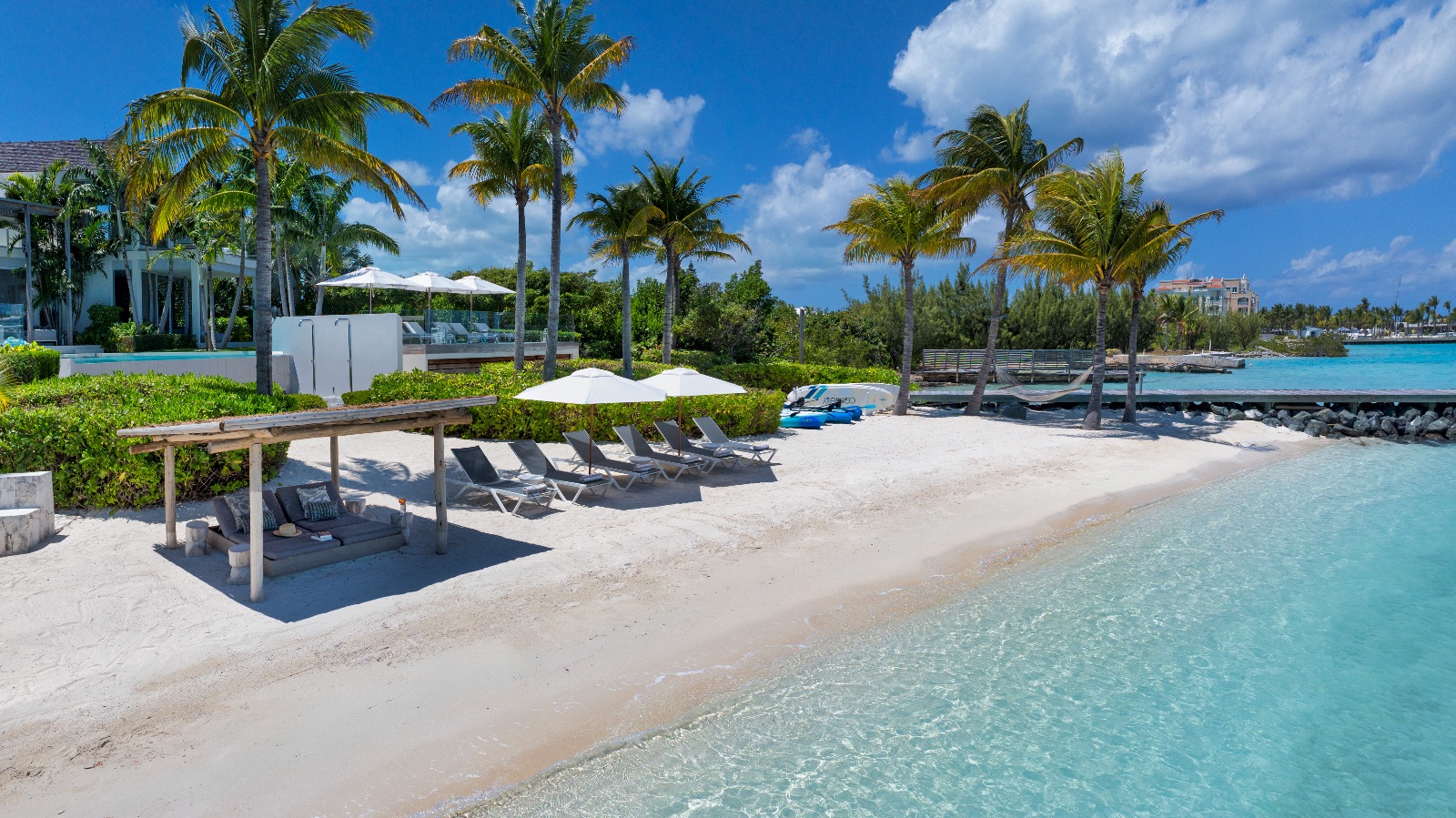
Sargassum is a legitimate planning concern. A villa with an impeccable private chef, architectural interiors, and a $25,000-per-week price tag that sits in front of a brown, odorous beach mat is not the experience the booking promised. What is sargassum’s real impact on a high-end stay? Three factors determine the answer.
1. Shoreline orientation. A villa on a leeward coast in a nominally “affected” destination may be entirely spared while Atlantic-facing properties on the same island are buried. Haute Retreats concierge specialists routinely distinguish between a property’s postal address and its actual oceanographic exposure — a distinction most booking platforms never flag. Guests considering luxury Caribbean villas with private chef and full concierge service benefit from this orientation review as a default part of the shortlisting process.
2. Beach management standards. Top-tier managed villa estates on sargassum-affected coasts operate dedicated beach-clearing crews before dawn. Properties without this infrastructure — regardless of listing price — deliver inconsistent experiences. When reviewing a villa in a moderate-risk zone, guests should ask specifically: who clears the beach, how early, and how often. Your Haute Retreats specialist knows which properties answer this question credibly.
3. Flexible itinerary design. The most resilient luxury stays are built around the assumption that a sargassum morning may occasionally arrive. Properties with strong pool terraces, access to boat charters, and concierge-ready excursion alternatives allow guests to pivot gracefully — a pool morning, a snorkeling charter to a protected cove, or an afternoon return to the beach once currents have carried deposits back out. Guests exploring all-inclusive Caribbean villa stays will find this contingency planning built into the service model.
Destination Pairing: Which Haute Retreats Properties Suit Each Sargassum Risk Profile
For travelers asking what is sargassum’s practical impact on the best villa destinations, the answer is highly location-specific. Here is how Haute Retreats approaches destination matching by risk profile:
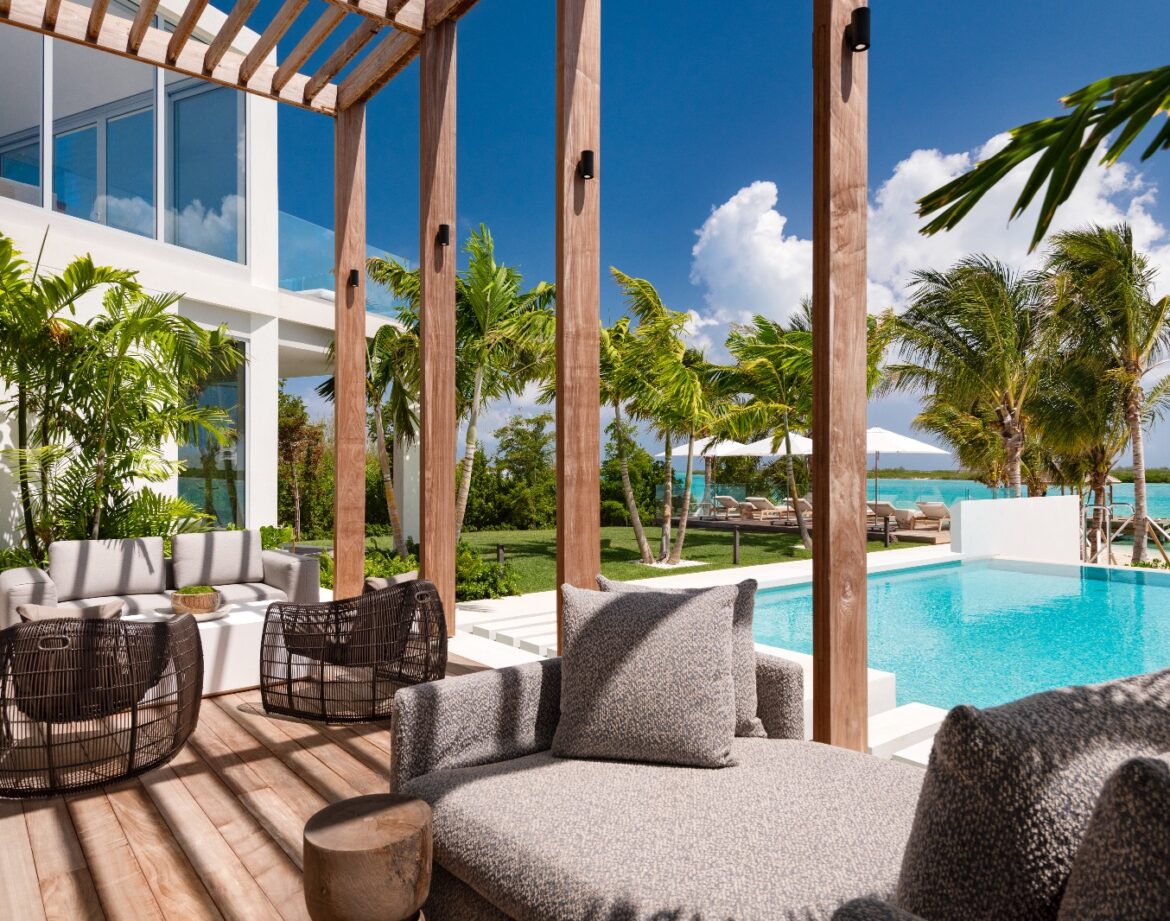
Low-risk, year-round beach confidence: Turks and Caicos villa rentals — particularly those on Grace Bay’s protected leeward shore — consistently deliver the most reliable beach experience across all seasons. Properties like Villa Sole e Mare (20-guest beachfront estate, Grace Bay) and Triton Villa (Long Bay) are positioned on coasts where sargassum arrivals are infrequent and beach management standards are among the highest in the Caribbean.
Moderate risk, managed well: Properties on Barbados’s west coast, selected St. Barts coves, and south-facing Anguilla villas offer excellent beach quality for most of the year, with a manageable summer window that benefits from leeward positioning. Browse beachfront Caribbean villa rentals with your Haute Retreats specialist to identify which listings carry west-coast positioning.
Higher risk, higher reward: Mexico’s Riviera Maya and northeast Dominican Republic offer exceptional sargassum-season deals for travelers willing to work with strong beach management operations and flexible daily programming. For guests who understand and accept the seasonal trade-off, these coasts offer extraordinary value and landscape in the non-peak window. Browse Caribbean villa rentals for a full portfolio, or explore the best beaches in the Caribbean guide for additional coast-specific context.
Frequently Asked Questions About Sargassum
What is sargassum and why has it increased so dramatically since 2011? Sargassum is a genus of free-floating brown macro-algae that drifts across the Atlantic in massive mats.
What is sargassum’s smell, and is it harmful to guests? Decomposing sargassum releases hydrogen sulfide — the same compound responsible for the characteristic rotten-egg smell near volcanic hot springs. At high concentrations close to very large beach deposits, it can be unpleasant.
Which Caribbean islands have the least sargassum overall? Turks and Caicos (Grace Bay), the Cayman Islands, and Anguilla in spring generally record the lowest accumulations
What is sargassum’s effect on snorkeling and diving visibility? Fresh sargassum mats temporarily cloud nearshore water and can deposit debris over reef structures. Visibility typically recovers quickly once surface accumulations clear.
What is sargassum season in Mexico’s Riviera Maya? Sargassum typically begins arriving on the Riviera Maya in April or May, peaking between June and September. Tulum and Playa del Carmen have faced some of the heaviest documented accumulations in recent years.
Plan With Confidence: Haute Retreats’ Caribbean Concierge Approach
Sargassum has meaningfully widened the gap between superficial luxury villa booking and genuinely expert curation. The variables now go beyond bedroom count and pool design — they include coast orientation, prevailing current patterns, beach management staffing, and the quality of contingency planning built into a stay.
At Haute Retreats, every Caribbean inquiry receives a destination-specific sargassum assessment as part of the shortlisting process. Whether you’re considering a winter week in Turks and Caicos, a family summer on the beachfront Caribbean, or a broader global beachfront stay, our concierge team can present options with transparent coast-level risk context and a clear recommendation for your travel window.