For high-end travelers deciding where to stay in Amalfi Coast, Positano delivers the most “walk-out-to-dinner” glamour, Ravello offers the quietest ultra-luxury villa atmosphere above the sea, and Amalfi is the most practical base for ferries, day trips, and historic character. Italy recorded 458.4 million nights spent in tourist accommodations in 2024 (ISTAT, 2025), and global international tourist arrivals reached about 1.5 billion in 2024 (UN Tourism, 2025) — two reasons the right base (and the right villa logistics) matters more than ever.
Key Takeaways
- If you want the most iconic scenery and fashion-meets-sea energy, where to stay in Amalfi Coast often starts with Positano .
- If you want cooler evenings, gardens, and privacy, it often ends with Ravello .
- If you want the most convenient transport hub with heritage charm, it becomes Amalfi town .
- For families and groups, the decision is less about the town name and more about stairs, pool safety, and staffing.
- For peak dates, decide early — your villa’s access and services shape the entire trip.
Last updated: February 16, 2026
Client experience with where to stay in Amalfi Coast
Choosing where to stay in Amalfi Coast matters because, in luxury travel, your base determines your pace, privacy, and service quality more than any single excursion.
Most Haute Retreats clients arrive with one clear wish: a view that feels cinematic at breakfast and effortless at sunset. Then reality arrives in the details — stairs, narrow lanes, last-mile transfers, and the difference between a beautiful villa and a livable villa.
The happiest patterns are consistent. Guests love terraces designed for lingering, a calm bedroom wing, and a concierge who can pace days around boat time, lunch timing, and kids’ naps.
The common surprises are also consistent. People underestimate how often “five minutes away” includes steps, and how much better a stay feels when staffing is defined clearly (daily housekeeping vs full-time support). Italy’s tourism pressure has been well documented, and record accommodation arrivals and nights add friction in peak periods (ISTAT via Reuters, 2024).
If you’re debating where to stay in Amalfi Coast, assume your villa’s access (stairs, parking, drop-off point) will shape every meal and every outing. A perfectly staffed, well-located villa can make Positano feel calm, and a poorly accessed villa can make Ravello feel complicated. In luxury travel, convenience is not “less authentic” — it’s what protects your time.
Positano’s cliffside glamour near Spiaggia Grande and Fornillo
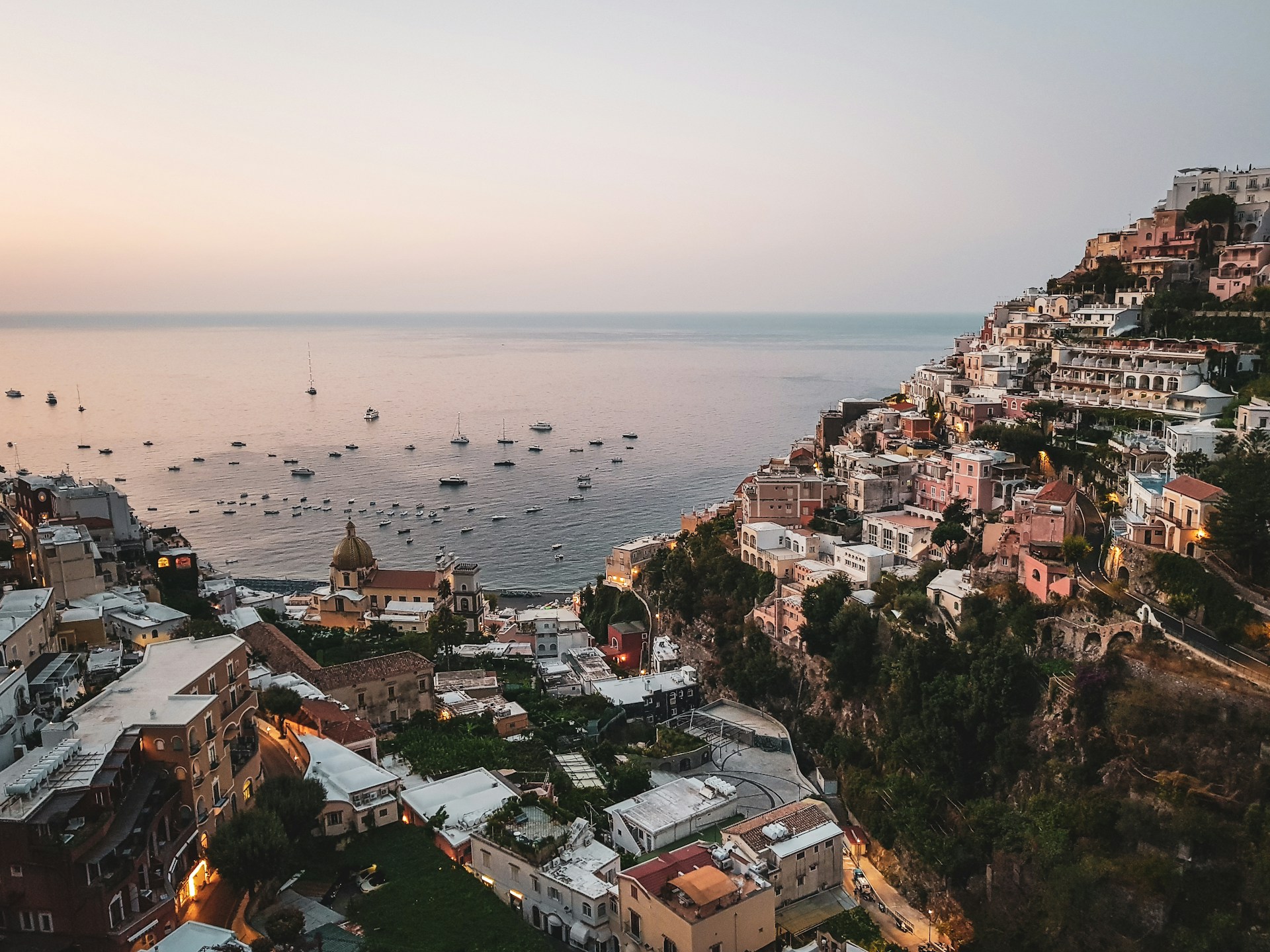
If you want the most iconic blend of beach energy and sunset dining, where to stay in Amalfi Coast most often points to Positano.
Positano is a visual crescendo — stacked terraces, boutiques, and a social rhythm that starts late and ends later. For purchase-oriented travelers, it also has the strongest “step outside and it’s happening” factor.
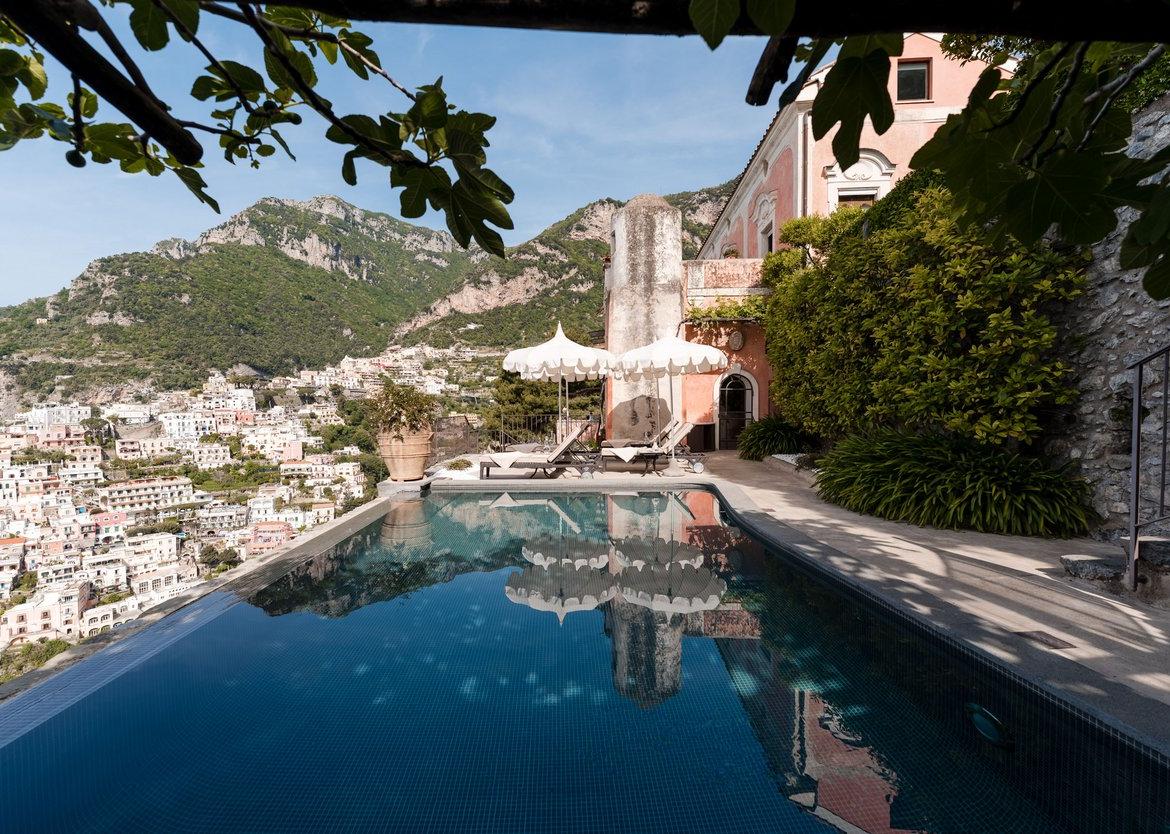
In villa terms, Positano rewards smart micro-location. A villa that looks central on a map can still involve steep climbs; a villa with better access can quietly feel like the best decision you made all year.
For a sense of what “central but livable” can look like, explore the Haute Retreats Positano villa rentals collection and compare layouts, access notes, and terrace design.
Fornillo and the upper lanes: the quieter Positano
If you’re drawn to Positano but want calm nights, where to stay in Amalfi Coast can mean Positano — just not the loudest slice of it.
Fornillo and upper-lane addresses often deliver a softer mood. You still get the view, but you’re less exposed to the late-night swirl.
Villa design matters here. Look for shaded outdoor living, a strong indoor lounge for midday heat, and a bedroom layout that keeps light sleepers away from the most active terrace zones.
Marina Grande proximity: when “walkable” is the real luxury
If your trip is heavy on dining and short-notice plans, where to stay in Amalfi Coast becomes an access question, not a style question.
A short, manageable route to the waterfront changes everything: easier boat departures, easier last-minute gelato runs, and fewer negotiations with the day’s heat.
A strong Haute Retreats example of “rare asset: easier access” is Villa Mon Repos , described as close to the beach by local standards and designed for shoulder-season comfort as well.